What Do Rwandan Audiences Really Want to Watch?
Understanding what audiences look for in a film is just as important as understanding how to make one. As Rwanda’s film industry continues to develop, knowing what attracts viewers, influences their choices and keeps them engaged could help filmmakers better connect with their audiences.
A 2026 report titled Made in Africa, Watched Globally?, produced by Dalberg and commissioned by GIZ and Afreximbank through the Creative Africa Nexus (CANEX) initiative, offers insights into film distribution, audience development and social impact across six African countries: Egypt, Kenya, Nigeria, Rwanda, Senegal and South Africa.
Drawing on a survey of 165 respondents in Rwanda, the study provides insight into what audiences value, why they watch films and how their preferences differ.
Entertainment and cultural connection drive film consumption
Entertainment and relaxation emerged as the leading motivation for watching films, cited by 72% of surveyed audiences in Rwanda. Cultural connection and identity followed at 44%, reflecting an interest in stories that resonate with viewers’ culture and experiences.
Affordability and accessibility were cited by 30% of respondents, while 29% identified high-quality storytelling as a motivation. Family-friendly content also attracted interest, accounting for 25%.
Other motivations included education (17%), national representation (15%) and interest in specific actors or directors (12%).
These findings suggest that while audiences appreciate culturally relevant stories, entertainment remains central to their viewing experience. A film’s cultural significance can contribute to its appeal, but its ability to entertain and engage audiences is equally important.
Acting quality tops audience expectations
When it comes to choosing a film, acting quality emerged as the most important factor, with 96% of surveyed audiences considering it important.
Technical quality, including sound and visuals, followed at 93%, while genre was important to 92%. Plot and theme, as well as the popularity of a film, each accounted for 91%.
Language and subtitles were valued by 88% of respondents, while the actors featured in a film and the representation of African cultures each accounted for 85%.
Interestingly, acting quality ranked higher than the importance of the actors featured in a film. This suggests that audiences value how convincingly actors portray their characters, beyond simply recognising the people on screen.
The findings also highlight the importance of the work that goes into a film beyond its story, from casting and directing to cinematography, sound design and post-production.
Understanding Rwanda’s different film audiences
Not all audiences watch films for the same reasons. The study identifies three distinct groups within Rwanda’s surveyed film audience, each with different preferences, viewing habits and expectations.
Local Loyalists (42%)
This group demonstrates a strong preference for local content, with 99% expressing a preference for locally produced stories. Cultural connection and entertainment are their main motivations, while drama and comedy are among their preferred genres.
They primarily access films through platforms such as YouTube and Pay TV, with high subscription costs identified as one of their barriers.
Value-Seeking Family Streamers (36%)
For this group, entertainment, affordability and accessibility are particularly important. Romantic comedy and comedy are their preferred genres, while household viewing through Smart TVs and platforms such as Canal+ Online is common.
Despite their strong interest in local and regional content, subscription costs remain a significant concern.
Global Digital Enthusiasts (22%)
This group is predominantly younger and more oriented towards international productions, with action emerging as its preferred genre.
Netflix, smartphones and tablets are prominent in their viewing habits. The study identifies improved production quality and better visibility of local films as opportunities to increase engagement among these viewers.
These differences demonstrate that Rwanda’s film audience cannot be approached as a single group. While some viewers are drawn to cultural familiarity, others prioritise affordability, genre or production quality.
Making films accessible to the right audiences
Understanding audience preferences is only part of the challenge. Filmmakers must also consider where and how people watch their work.
The study found that 89% of surveyed audiences reported using video-on-demand services as a primary viewing channel, followed by television at 57%. Cinema accounted for 11%.
Among respondents who answered questions about streaming platforms, YouTube was the most widely used at 73%, followed by Canal+ Online at 53% and Netflix at 36%.
Film discovery is also largely driven by personal recommendations. According to the study, 72% of respondents hear about films through friends and family, while 36% discover them through social media.
For filmmakers, this highlights the importance of building relationships with audiences, encouraging conversations around their work and choosing distribution channels that align with their target viewers’ habits.
What this means for Rwandan filmmakers
The findings offer an opportunity for filmmakers to better understand the people they are creating for.
Strong performances, compelling stories, technical quality and cultural relevance all have a place in attracting audiences. However, understanding who a film is intended for can also influence decisions around genre, marketing, language and distribution.
This does not mean filmmakers should limit their creativity to popular genres or shape every story around audience expectations. Rather, audience research can help them make informed decisions without compromising their artistic vision.
While the study’s sample of 165 respondents cannot fully represent the diversity of Rwanda’s population, it offers a useful starting point for understanding local viewing habits and preferences.
As Rwandan cinema continues to grow, understanding audiences deserves greater attention alongside production and creative development. Making films that people want to watch and ensuring they have the opportunity to watch them are both essential to building a sustainable film industry.
Source: Made in Africa, Watched Globally? Market Intelligence on Distribution, Audience and Social Impact Themes across Egypt, Kenya, Nigeria, Rwanda, Senegal and South Africa (GIZ, Afreximbank/CANEX and Dalberg, 2026).
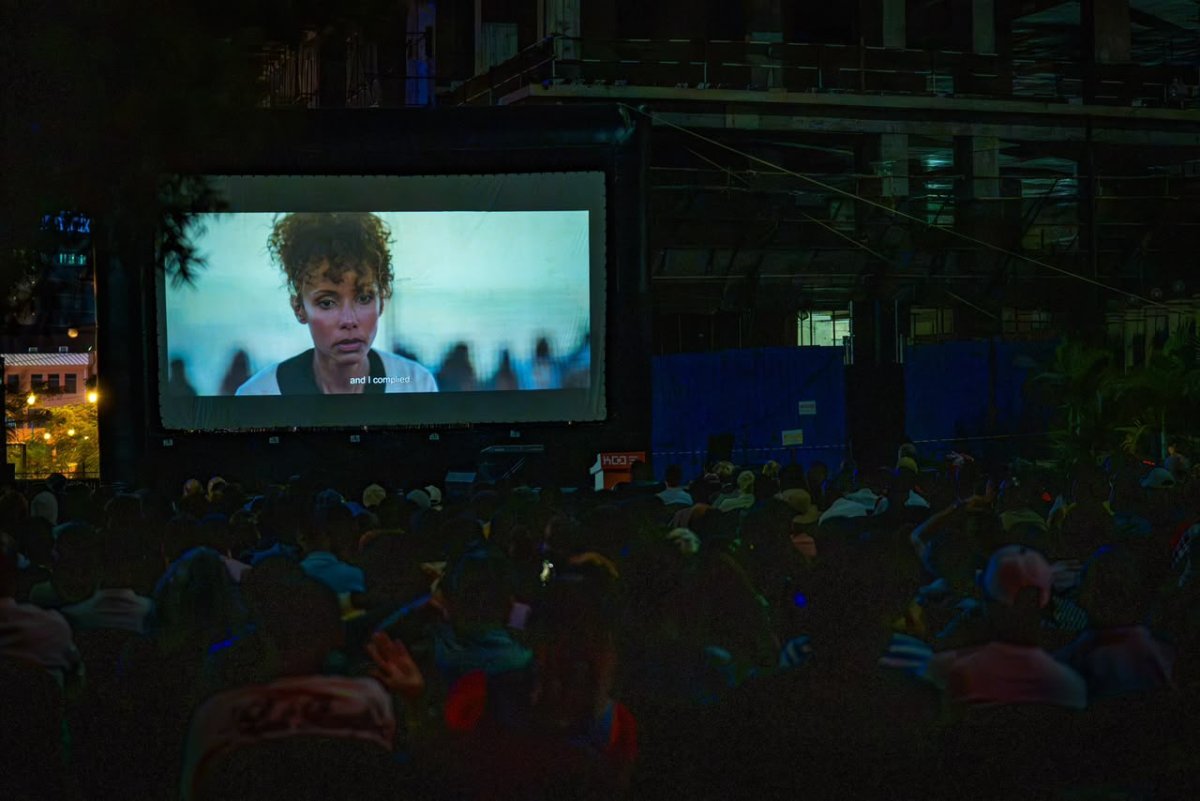
Cover photo: Audience during the opening ceremony of Kigali Cine Junction 2026. Photo courtesy of Kigali Cine Junction.