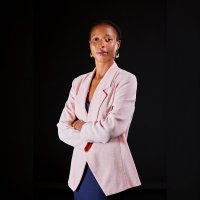
Carole Karemera: Actress, Activist, Cultural Architect
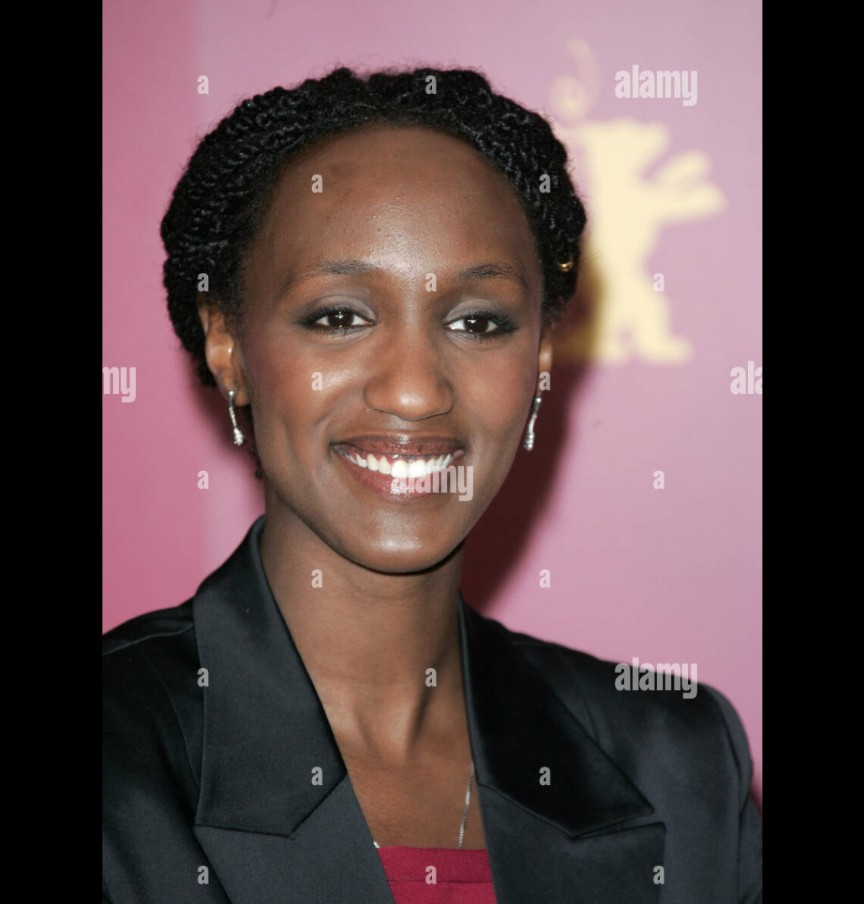
In Rwanda, art is not a luxury. Carole Karemera has spent her life proving it.
Carole Umulinga Karemera is more than an accomplished actress; she is a builder of spaces — physical and emotional — where memory, art, and community converge. Born in 1968 in Brussels to Rwandan parents in exile, Karemera grew up with one foot in Europe and her heart tethered to a homeland she had not yet seen. Her father, André Karemera, was a Rwandan diplomat, and her early life was shaped by constant movement, shifting languages, and the quiet weight of a country marked by political upheaval.
Her artistic journey began not with theatre, but with music. Trained in violin and piano at the Conservatoire Royal de Musique in Brussels, she later found her true calling on stage, studying drama at the National Institute of Performing Arts (INSAS). These formative years shaped a versatility that would define her career — allowing her to move with ease between classical theatre, contemporary African storytelling, and film performances rooted in emotional realism.

From Stage to Screen
Karemera’s early acting work in Europe was extensive, but it was her role in Raoul Peck’s 2005 HBO film Sometimes in April that brought her international recognition. Portraying Gentille, a Tutsi teacher whose life is shattered by the 1994 genocide against the Tutsi, Karemera delivered a performance that was restrained, intimate, and deeply affecting. It was not simply a role, but an act of bearing witness.
Her theatre work has been equally significant. In Rwanda 94 (1999), the landmark production by Belgian collective Groupov, Karemera helped merge testimony, music, and visual media into a powerful confrontation with genocide memory. The production toured internationally, offering audiences a human, unflinching encounter with loss, responsibility, and resilience.
Together, these works laid the foundation for a decisive turn in her life — a return home.

Return to Rwanda
In 2005, more than a decade after the genocide, Karemera returned to Rwanda with a purpose that extended beyond her own artistic career. Alongside seven other Rwandan women artists, she co-founded Ishyo Arts Centre in Kigali.
More than a theatre, Ishyo functions as a cultural engine. It hosts performances, readings, exhibitions, and workshops, while training emerging artists and fostering regional and international exchange. At its core lies a simple conviction Karemera has consistently articulated: rebuilding after mass violence requires imagination as much as infrastructure.
Through its programming, Ishyo engages questions of memory, identity, and belonging, creating space for reflection, dialogue, and artistic freedom in a society still negotiating its past.
Cultural Activism and Pan-African Leadership
Karemera’s influence extends well beyond Ishyo. She has played an active role in regional and international cultural policy conversations, collaborating with UNESCO and African cultural networks to strengthen creative industries and advocate for culture as a pillar of peacebuilding.
Her work has earned global recognition, including the 2018 Prince Claus Award, which honored her commitment to artistic freedom, cultural resilience, and intercultural dialogue.
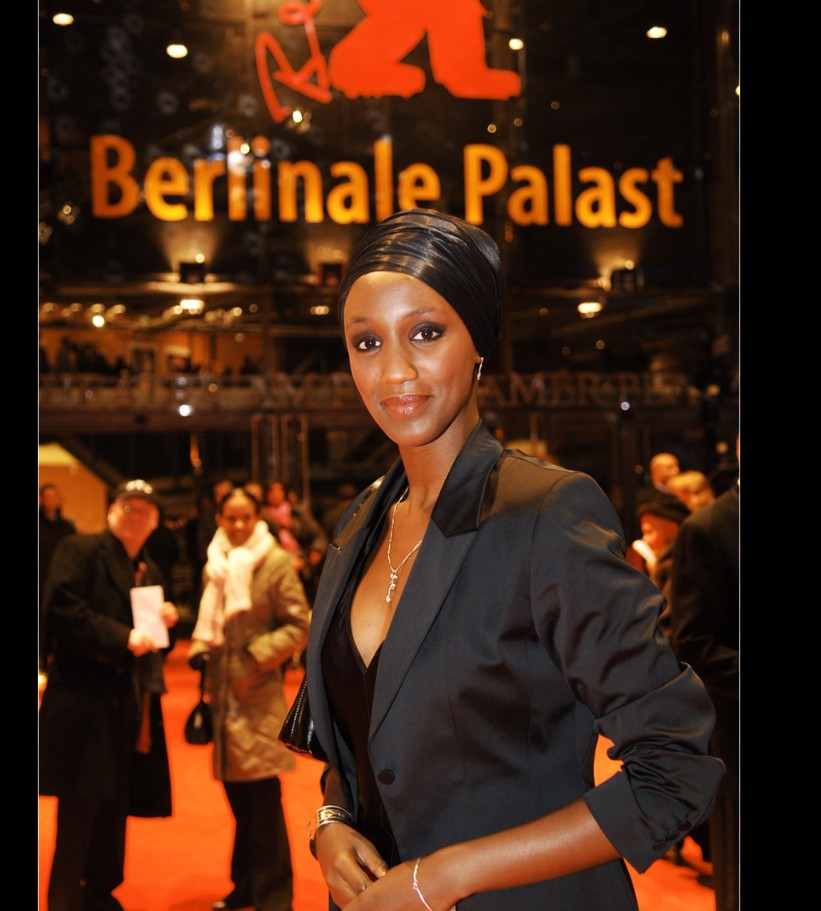
An artist of memory and hope
Across all her work runs a clear throughline: the preservation of memory, the centering of women’s voices, and a belief in art as a civic responsibility. Whether performing, directing, or building institutions, Karemera treats culture not as ornament, but as infrastructure.
For many, she embodies a rare fusion of artistry and activism. She does not merely tell stories — she creates the conditions in which stories can be told. Today, as she continues to lead Ishyo Arts Centre and collaborate across Africa, Carole Karemera remains a central figure in Rwanda’s cultural renewal, shaping its future one performance, one space, and one conversation at a time.