Rwanda’s Oscar journey begins with Ben’Imana
Rwanda is making its Oscar debut with Ben’Imana, Marie-Clémentine Dusabejambo’s feature film, which has been submitted for consideration in the Best International Feature Film category. The (…)

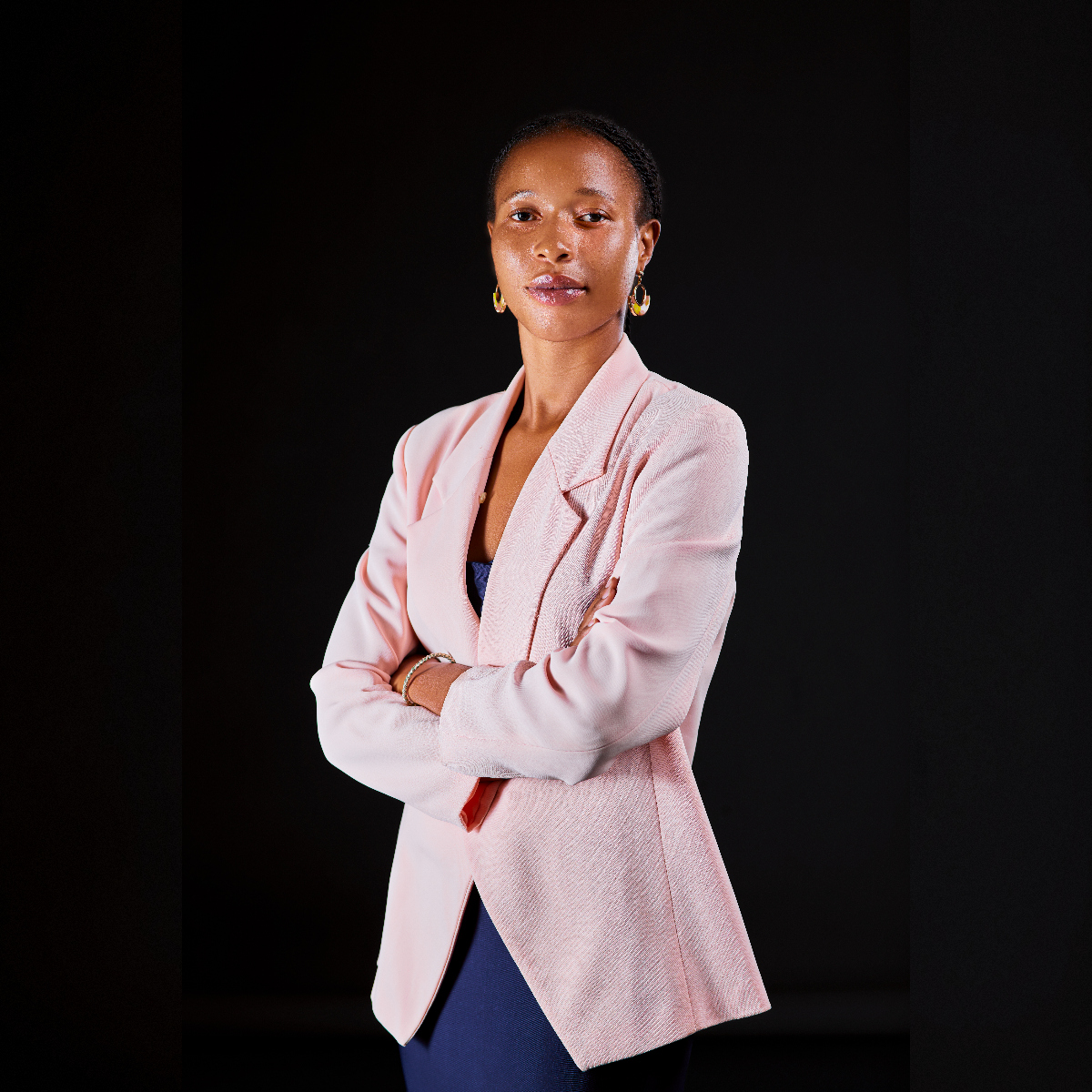
I am Mukawera Gaudence, a Rwandan writer and cultural storyteller whose work focuses on cinema, identity, and the power of narrative. I am deeply committed to documenting and amplifying stories from Rwanda’s film and creative industries, driven by the belief that Rwandan cinema holds voices, histories, and artistic depth that deserve global recognition.
My writing centers on biographies, interviews, and long-form cultural pieces that explore the journeys of filmmakers, actors, and creatives shaping contemporary Rwandan cinema. Through careful research and human-centered storytelling, I aim to preserve creative memory while making local stories accessible beyond borders.
I began writing specifically about Rwandans out of a sense of responsibility to my community and its stories. I believe the Rwandan cinema industry has so much to showcase to the world, yet many of its narratives remain underrepresented. Choosing to tell these stories in an international language became a deliberate decision — a way of opening Rwandan cinema to wider audiences and inviting global conversations around our art, history, and creativity.
I see storytelling not only as a form of expression, but as a tool for preservation, connection, and recognition. My work is guided by a commitment to truth, emotional depth, and cultural context, while remaining accessible to readers from different backgrounds.
This website serves as a home for my work and an evolving archive of stories that celebrate Rwandan cinema, creativity, and the people behind it. At the heart of everything I do is a belief that Rwandan stories, told with care and honesty, belong on the world stage.
Rwanda is making its Oscar debut with Ben’Imana, Marie-Clémentine Dusabejambo’s feature film, which has been submitted for consideration in the Best International Feature Film category. The (…)
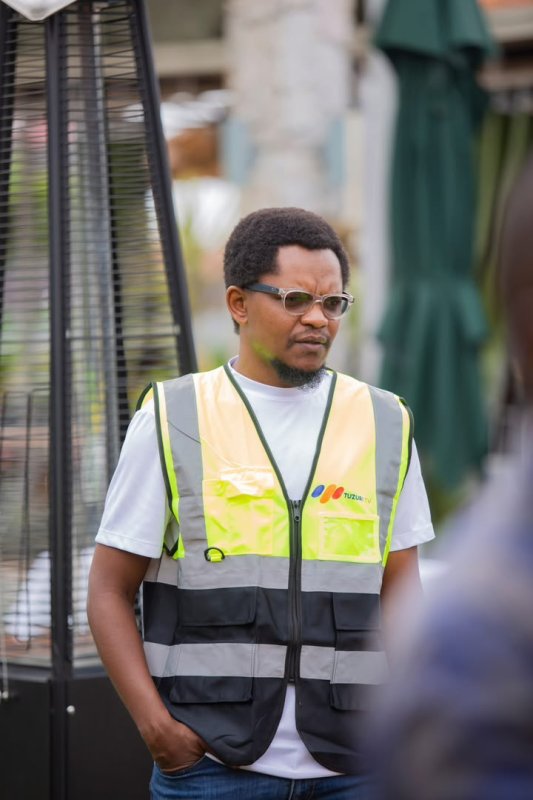
Mutuyimana Eric(Ibrah) is building Tuzuri Entertainment from Rubavu with a simple idea: good films do not have to come from Kigali. Through Tuzuri Entertainment, the filmmaker is working to (…)
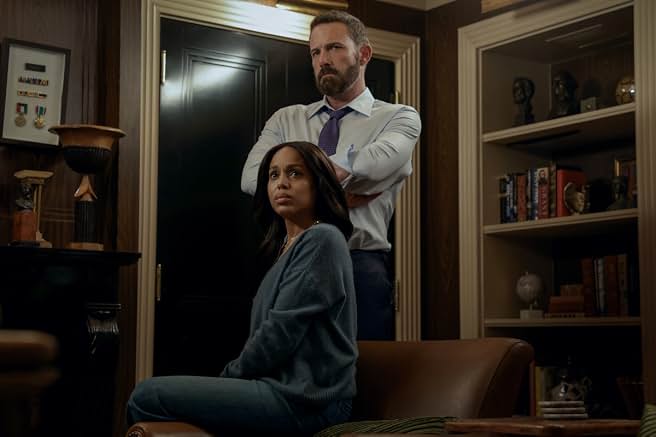
This week’s picks include a political crime thriller, an action-comedy, a quirky supernatural series and two theatrical releases. Here are five titles to consider this weekend, followed by three (…)
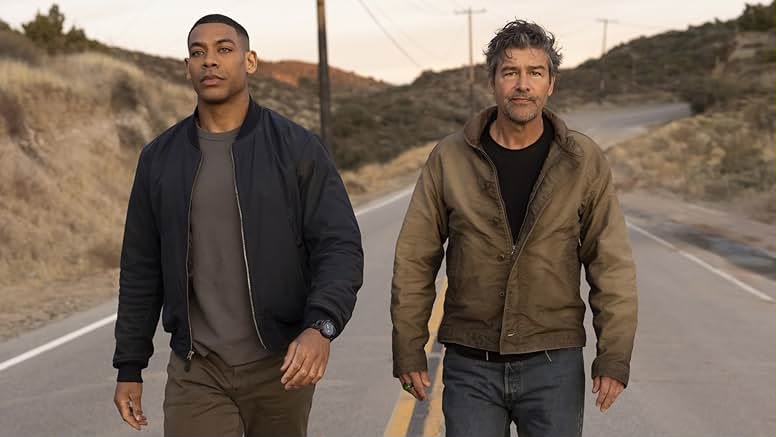
Here’s what caught our attention this week. Another weekend is here, and we have a few movies and shows to add to your list. From an emotional coming-of-age film to crime, action, and a new DC (…)
The weekend is here, and there are several new movies and shows to check out. This week’s picks include a new East of Eden adaptation, Tom Cruise’s latest film, Tyler Perry’s new Netflix drama and (…)
Eliane Umuhire has built a career that moves fluidly between African cinema, European co-productions and international productions. From her award-winning performance in Birds Are Singing in (…)
Rwandan cinema is not defined by a single style or generation, but by a range of filmmakers approaching storytelling from radically different angles—some grounded in realism, others drawn to (…)
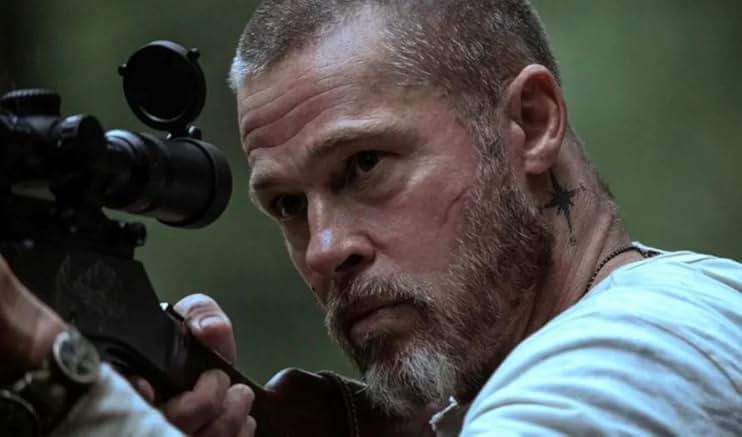
The weekend is here, with new movies and shows arriving in theaters and on streaming platforms. From a DreamWorks adventure and a Brad Pitt survival thriller to an A24 psychological drama, here’s (…)
Movies don’t just happen—they are built from the ground up. Producers are the architects behind every story we see on screen, guiding scripts from idea to production, supporting talent, and making (…)
Another weekend, another batch of movies and shows making their way to screens. There’s a little nostalgia in this week’s picks, alongside a new mystery and a few fresh stories worth checking out. (…)