
The Drama Review: How One Secret Changed Everything
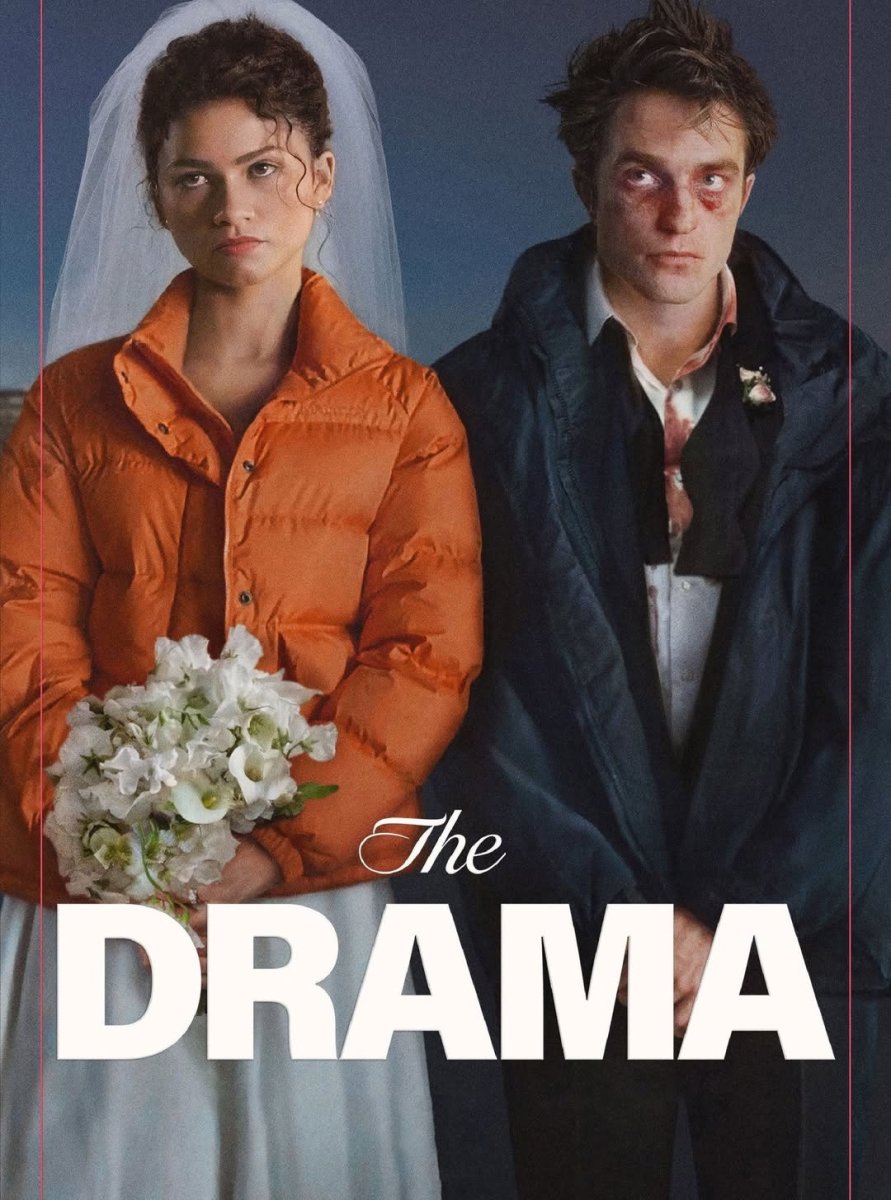
Kristoffer Borgli’s The Drama transforms a romantic comedy setup into an unsettling story about love, secrets, judgment, and the consequences of the past. Released in March 2026, the American romantic comedy-drama stars Zendaya and Robert Pattinson as Emma and Charlie, a happily engaged couple whose relationship begins to collapse after a single confession changes everything.

At first, the film presents itself as a warm and slightly awkward love story. Emma and Charlie’s first meeting in a café feels natural and believable, immediately establishing the chemistry between the two leads. Emma, quietly reading alone, catches Charlie’s attention while he waits for his order. Nervous yet curious, Charlie secretly takes a photo of the book Emma is reading so he can look it up and use it as a way to start a conversation with her. What follows is an awkward yet charming interaction that eventually leads to their relationship.
Two years later, while preparing for their wedding, the couple witnesses their DJ, Pauline, smoking heroin in a public park. While discussing whether they should fire her, Emma argues that everyone has done terrible things at some point in their lives and should not be defined solely by their worst mistakes. This leads Emma, Charlie, Rachel, and Mike into a conversation about morality, forgiveness, and personal guilt, with each character confessing the worst mistakes they made in the past. Through this scene, the film gradually exposes the hypocrisy behind moral judgment.
However, the atmosphere completely shifts when Emma reveals that, at fifteen years old, she once planned a school shooting. She explains that her partial deafness resulted from practicing with a rifle too close to her ear, contradicting what she had previously told Charlie. From that moment onward, the film abandons the comfort of romantic comedy and descends into psychological tension, forcing both the characters and the audience to confront deeply uncomfortable emotions.
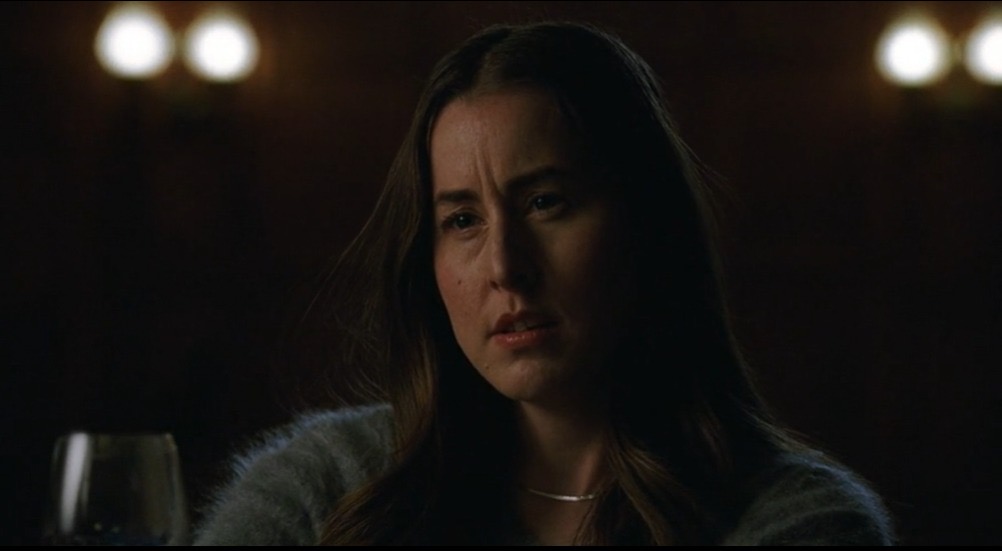
One of the film’s greatest strengths is its refusal to simplify its characters. The Drama does not excuse Emma’s past, but it also refuses to reduce her to it. Instead, the story explores how people react when confronted with the darkest parts of someone they love. Charlie’s growing uncertainty about marrying Emma becomes emotionally compelling because the film never gives him an easy answer. His conflict between love, fear, and confusion feels emotionally believable.
The film also explores the long-lasting psychological effects of bullying and isolation. Rather than focusing only on shocking revelations, Borgli examines the emotional conditions that can shape destructive thoughts and behavior. The story suggests that understanding the roots of someone’s pain does not mean excusing their actions, but it may make it easier to help them before their struggles become even more destructive. This emotional complexity is what gives the film its power.
Throughout the film, sound design is used to maintain realism and emotional intimacy. The opening café sequence uses soft ambient sounds to make Emma and Charlie’s first interaction feel grounded and authentic, while later scenes rely heavily on silence and tension. During Emma’s confession, the silence becomes almost unbearable, communicating more than dialogue ever could. Borgli allows uncomfortable pauses to linger, forcing viewers to sit with the emotional weight of the moment rather than escape it.
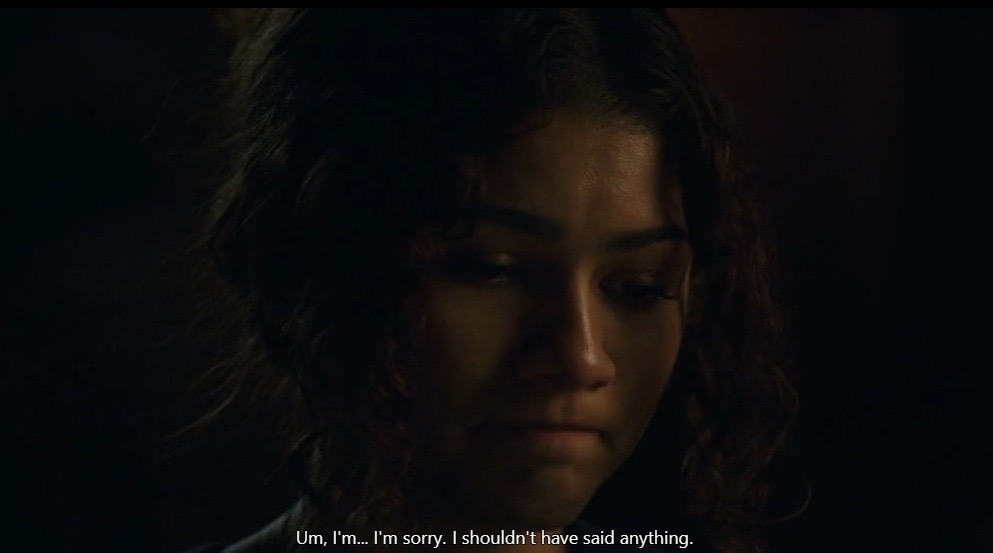
The cinematography further strengthens the film’s emotional intensity. Frequent close-up shots trap viewers within the characters’ discomfort and vulnerability, emphasizing even the smallest emotional reactions. The use of over-the-shoulder shots and two-shots also reinforces the emotional distance and tension between characters, particularly during conversations where silence carries as much weight as the dialogue.
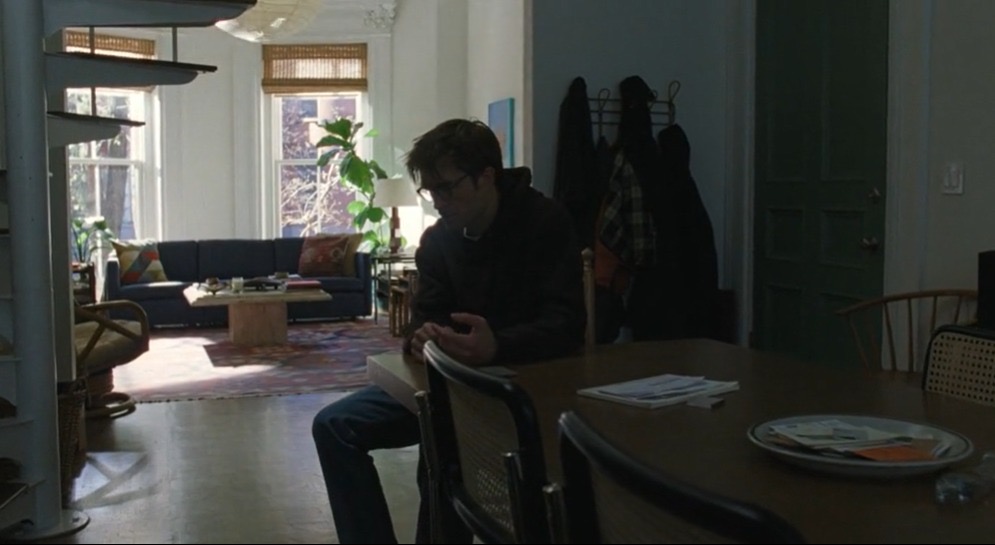
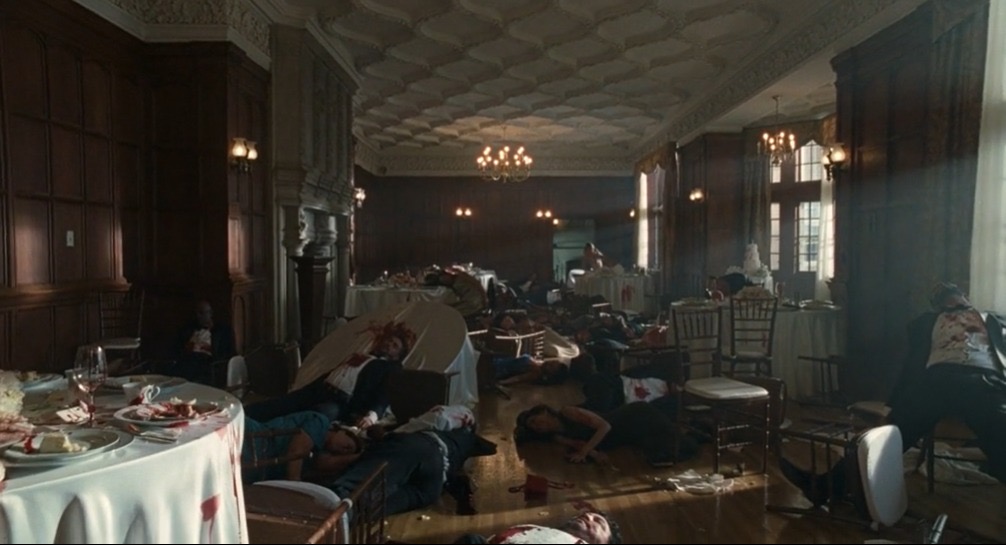
The production design throughout the film remains grounded and emotionally believable. Emma and Charlie’s home feels lived-in and carefully detailed, with tidy interiors, books, clothing placement, and subtle decorations reinforcing the image of stability the couple tries to maintain. Even the wedding preparations avoid excessive glamour, allowing the environments to feel natural and realistic. This realism makes the film’s later nightmare sequence even more striking, as the elegant wedding hall becomes filled with lifeless bodies and silence, transforming a space associated with celebration into something haunting and emotionally unsettling.
The costumes and makeup also contribute strongly to the film’s realism. The wardrobe choices feel natural to each character and subtly reflect their personalities throughout the story. During Emma’s nightmare sequence, the makeup and practical effects make the bloodied bodies appear convincingly realistic, intensifying the horror of the scene without feeling exaggerated. The realism of the injuries remains equally effective during the final confrontation where Charlie is brutally beaten by Blake after being accused of sexually harassing Misha.
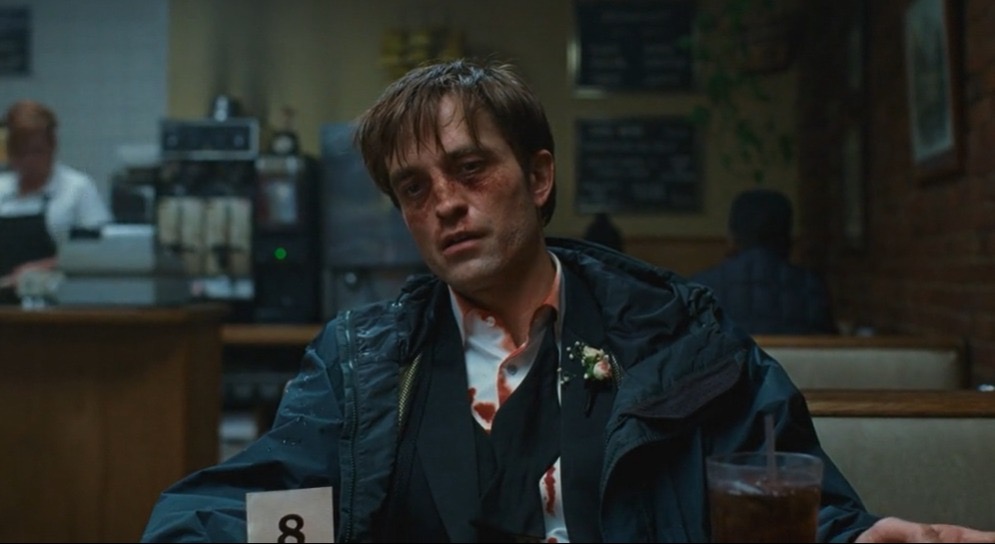
The performances are among the film’s strongest elements. Zendaya delivers one of her most emotionally complex performances, portraying Emma with a balance of vulnerability, discomfort, and unpredictability. She portrays Emma in a way that feels disturbing yet deeply authentic. Robert Pattinson is equally compelling as Charlie, convincingly portraying a man torn between love and fear. Their chemistry makes the gradual collapse of the relationship emotionally painful to watch.
Supporting performances from Alana Haim, Mamoudou Athie, and Hailey Benton Gates also add emotional depth to the story, with each actor contributing to the film’s tense and emotionally uncomfortable atmosphere.
The editing remains sharp throughout, maintaining smooth continuity while carefully controlling the film’s pacing. The transitions between emotional intimacy, dark humor, and psychological tension feel deliberate rather than chaotic, allowing the film’s emotionally heavy atmosphere to build naturally.
Despite its strengths, the film occasionally struggles with the consistency of its own themes. Earlier, the confession scene establishes the idea that everyone carries disturbing parts of their past and that people should not be reduced to their worst mistakes. However, once Emma reveals her secret, the other characters immediately abandon that perspective and begin judging her despite having confessed their own disturbing past actions only moments earlier. While their shock is understandable, the film moves too quickly past the contradiction, making the emotional shift feel rushed. As a result, some of the moral complexity the film carefully builds earlier begins to lose its weight.
Still, The Drama succeeds because of its willingness to engage with topics many films avoid. It challenges viewers to think about shame, trauma, bullying, and the uncomfortable reality that human beings are often more complicated than they appear. The film is emotionally difficult at times, but that discomfort is precisely what makes it effective.
I would especially recommend The Drama to viewers who enjoy psychologically intense and emotionally challenging films. Those interested in stories surrounding mental health, human behavior, and complicated relationships will likely find the film both thought-provoking and emotionally impactful.
By refusing to provide easy answers or clear moral comfort, The Drama becomes more than just a romantic story. It becomes a haunting conversation about empathy, judgment, and the parts of ourselves we try hardest to hide.