
Voicemails for Isabelle Review: Its Best Love Story Isn’t the Romance
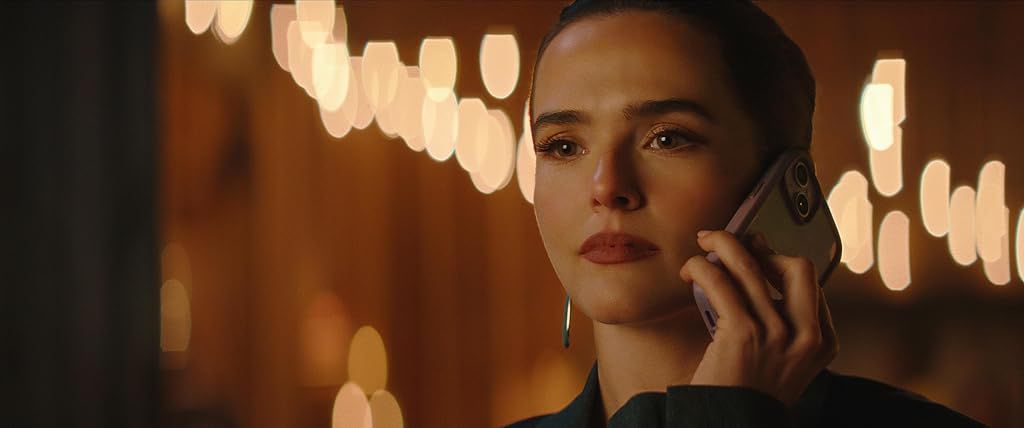
Netflix’s Voicemails for Isabelle is a romantic comedy that attempts to balance humor, grief, and romance. Written and directed by Leah McKendrick, the film stars Zoey Deutch as Jill, Nick Robinson as Wes, and Ciara Bravo as Isabelle. It follows Jill as she continues leaving voicemails for her late sister, unaware that they are being received by Wes, an Austin real estate agent who gradually becomes invested in the life of someone he’s never met.
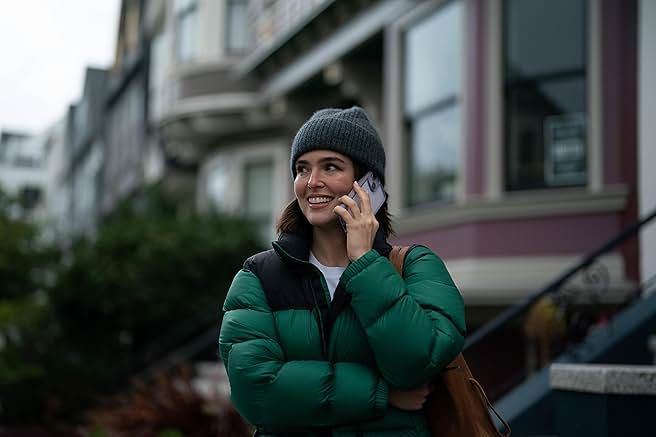
Zoey Deutch in Voicemails for Isabelle
On paper, it has all the ingredients of a heartfelt story. It explores the pain of losing someone you love, the bond between two sisters, and the unexpected connection that forms between two strangers brought together by grief. While the film delivers several genuinely touching moments and benefits from committed performances across its cast, it ultimately left me wishing it trusted those emotional moments more than its romantic-comedy formula.
My biggest issue with Voicemails for Isabelle isn’t simply that it’s predictable. It’s that many of its emotional turning points feel rushed or overly guided by the screenplay. Rather than allowing relationships and emotions to develop organically, the film often moves its characters from one emotional beat to the next before those moments have had time to fully breathe.
The heart of the film
The strongest aspect of Voicemails for Isabelle isn’t its romance. It’s the relationship between Jill and Isabelle.
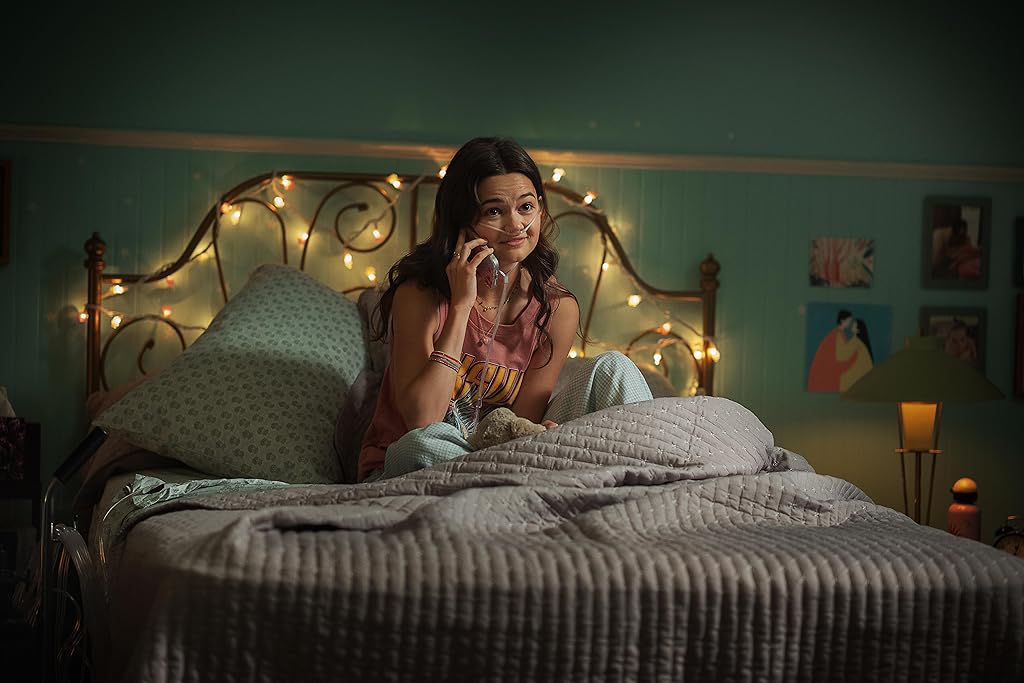
Ciara Bravo in Voicemails for Isabelle
Some of the film’s most moving moments come from simply watching these sisters exist together and understanding what they mean to one another. One scene that particularly stood out to me occurs early in the film when Jill hears one of their favorite songs and calls Isabelle so they can dance together despite being apart.
What makes the scene so emotional is that it reminds us Isabelle is more than her illness. Behind cystic fibrosis is a young girl who wants to dance, laugh, and enjoy life like everyone else. Watching her briefly put aside the medical equipment that constantly reminds her of her condition so she can enjoy that moment feels both beautiful and heartbreaking. For a few minutes, she isn’t defined by hospital rooms or treatments; she’s simply a sister sharing a joyful moment with someone she loves.
Another moment I loved comes during the New Year’s Eve sequence. As Jill leaves to celebrate, the film briefly cuts to Isabelle watching her from inside as the door closes. It lasts only a few seconds, but Ciara Bravo’s expression says everything. Without speaking, she conveys the loneliness of someone watching life continue without them. She wants to go too, to celebrate and make memories like everyone else, but she knows her illness won’t allow it.
These quieter scenes are where the film feels most honest. Rather than relying on romantic complications or dramatic twists, it simply allows us to sit with two sisters whose lives have been shaped by circumstances beyond their control. Ironically, those scenes are far more emotionally compelling than the romance that drives much of the story.
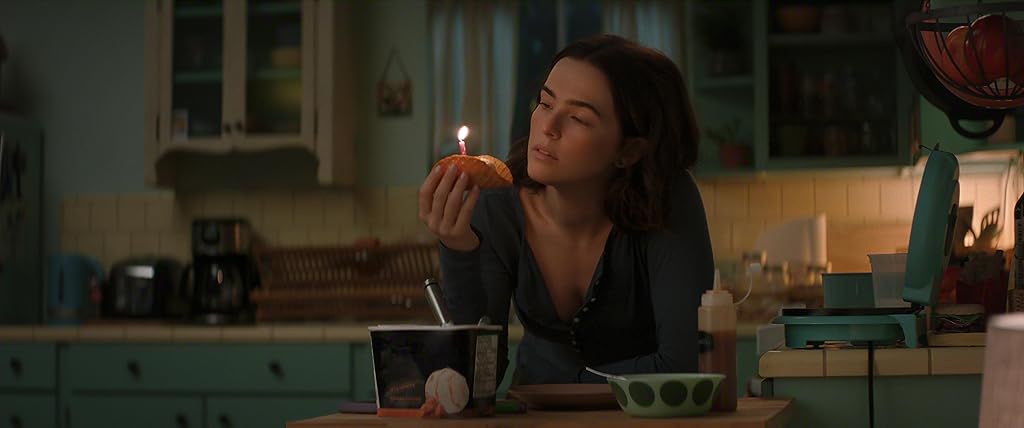
Strong performances
One of Voicemails for Isabelle’s biggest strengths is its performances.
Zoey Deutch delivers the film’s strongest performance as Jill, particularly in the scenes surrounding Isabelle’s death. One of my favorite sequences begins when Jill receives her mother’s voicemail and rushes to the hospital. Even before the news is confirmed, the tone of the message immediately creates a sense that something is terribly wrong.
The scene where Jill learns that Isabelle has died is, for me, the emotional peak of the film. Instead of relying on excessive melodrama, it allows silence, subdued sound design, and Deutch’s performance to carry the weight of the moment. As her mother speaks, Jill seems unable to fully process what she’s hearing. Her blank expression, distant gaze, and overwhelming numbness capture the shock of grief in a way that feels deeply authentic.
What follows is even more heartbreaking. Rather than immediately accepting the news, Jill instinctively searches for Isabelle, as though refusing to believe what she has just been told. The tracking shots that follow her through the hospital place us alongside her as she desperately looks around, while her parents try to stop her. Zoey Deutch beautifully captures the denial that often accompanies overwhelming grief. The emptiness in her eyes and the quiet devastation on her face make this one of the film’s strongest scenes.
Ciara Bravo is equally impressive despite having less screen time. Through subtle expressions and understated performances, she makes Isabelle feel like a real person rather than simply a character whose purpose is to die. She brings warmth, humor, vulnerability, and quiet strength to the role, making Isabelle’s absence deeply felt throughout the rest of the story.
Nick Robinson also delivers a sincere performance as Wes. While I have issues with some of the writing surrounding his character, Robinson brings enough charm and authenticity to make Wes genuinely likable. His chemistry with Zoey Deutch feels natural, and together they create moments that almost overcome some of the screenplay’s weaker decisions.
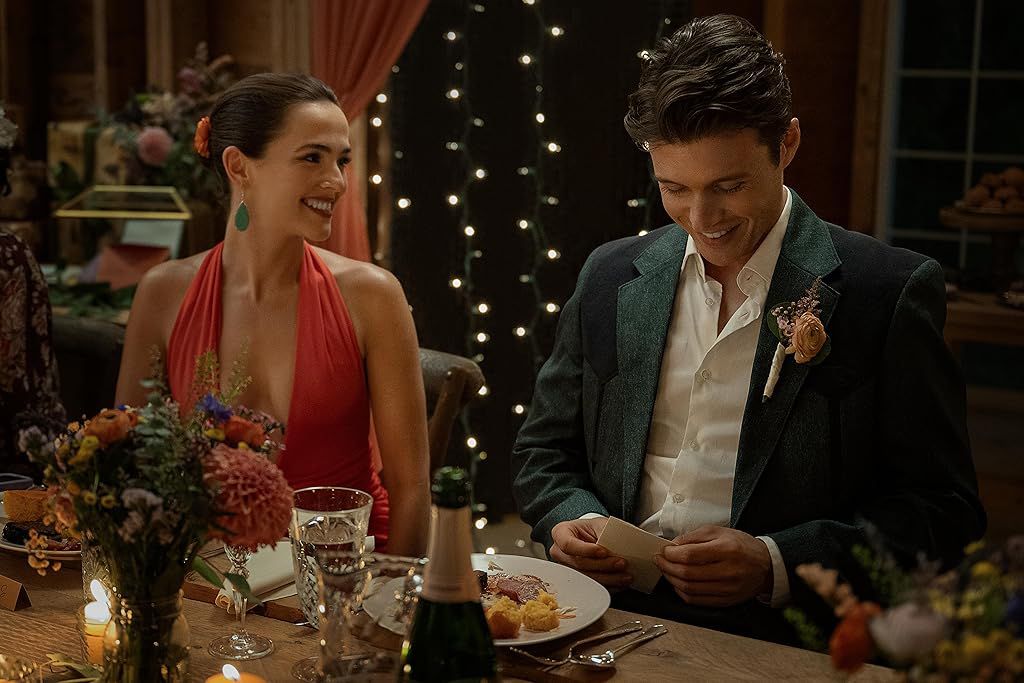
Overall, one of Voicemails for Isabelle’s biggest strengths is its performances. Zoey Deutch, Ciara Bravo, and Nick Robinson all bring sincerity and emotional depth to their roles, while the supporting cast also delivers consistently believable performances. Whether in moments of grief, humor, or quiet family interactions, the ensemble helps make the film’s emotional world feel authentic, even when the screenplay occasionally falls short.
Craft behind the camera
The film also deserves credit for several thoughtful visual choices.
One scene that particularly stood out to me takes place after Isabelle’s funeral. Jill returns home carrying her bag and pauses as she enters the house, quietly looking around. The cool blue lighting, the darkness within the room, and the dried plants visible in the background subtly reflect the emptiness she now feels. Without saying a word, the film communicates that this is no longer the same home it once was.
Jill herself becomes part of that visual storytelling. Her exhausted appearance, unkempt hair, distant gaze, and lack of energy all reflect someone struggling to move forward after losing the person who meant the most to her. She repeatedly listens to Isabelle’s old voicemails, drifts into her own thoughts, and seems emotionally disconnected even when surrounded by other people. These quiet details effectively communicate the weight of her grief.
The soundtrack is another strength. The songs are well chosen and generally complement the emotions of each scene without becoming overly sentimental. The sound design is equally effective, particularly during the sequence involving Jill’s mother’s voicemail. Even before the news is revealed, the scene creates an immediate feeling that something life-changing has happened.
From a cinematography standpoint, the film makes good use of different camera angles and shot compositions throughout. However, I found myself wishing it relied more heavily on handheld camerawork and tracking shots during some of its most emotionally intense sequences. Moments such as Jill rushing to the hospital could have felt even more immersive with a camera style that placed us directly alongside her.
Where it loses its way
Despite its emotional strengths, Voicemails for Isabelle becomes less compelling whenever it shifts its focus away from Jill and Isabelle and toward the romance.
Much of the story follows a familiar formula, making it easy to anticipate where it’s heading. One moment, in particular, perfectly captures this issue. While leaving one of her voicemails, Jill shares a fantasy about someone unexpectedly sitting beside her and starting a conversation. The scene doesn’t unfold exactly as she describes it, but the moment she says it, I knew Wes would eventually appear. The film delays his arrival just long enough to build anticipation, but when he finally sits beside her, it feels less like a surprise and more like the confirmation of what the screenplay had already been building toward.
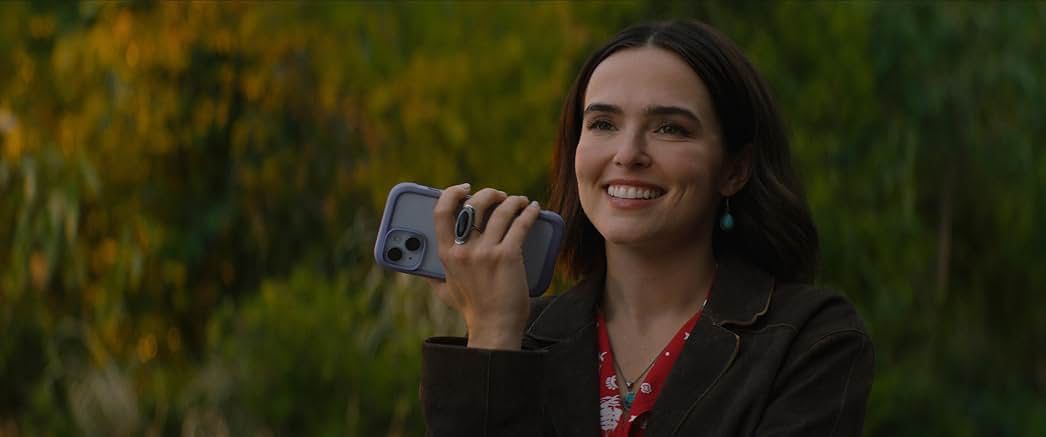
This sense of predictability extends beyond that scene. Several story beats arrive exactly when you expect them to, making it difficult to become fully invested in the romance. Rather than feeling like an unexpected connection between two strangers, the relationship often follows a familiar blueprint that rarely takes any meaningful risks.
Another issue I struggled with was the dialogue.
Every sibling relationship is different, so I can’t say Jill and Isabelle’s conversations are unrealistic. However, I personally found it difficult to fully believe some of their exchanges. At times, the dialogue felt overly written, as though it was trying to communicate specific emotions rather than simply allowing two sisters to talk naturally.
I felt something similar about Jill’s voicemails. Everyone grieves differently, so there is no right or wrong way to speak to someone you’ve lost. Still, many of the messages felt less like deeply personal conversations with her sister and more like a narrative device designed to move the story forward.
Some of Jill’s romantic encounters before Wes enters the picture also felt underdeveloped. Rather than adding meaningful insight into Jill’s character, they often seemed to exist simply to create situations she could later talk about in her voicemails.
The screenplay also rushes certain emotional transitions. One example comes during the New Year’s Eve sequence. Jill is clearly excited to kiss a boy, but only moments after they begin kissing, she suddenly pulls away, apologizes, and runs home to spend the start of the new year with her family. I actually liked the decision itself because it reinforces how important her family is to her. What didn’t work for me was how abruptly the film gets there. It never shows Jill becoming distracted or emotionally torn before making that decision. One moment she’s fully present in the kiss; the next she’s running home. A little more buildup would have made the moment feel much more natural and emotionally satisfying.
The romance between Jill and Wes also feels underdeveloped. I genuinely enjoyed the chemistry between Zoey Deutch and Nick Robinson, but I wish the screenplay had given their relationship more room to grow. Before long, the two are spending significant time together and developing feelings for one another, yet the film doesn’t fully earn those emotional beats. I believed the connection between the actors more than I believed the pace of the relationship itself.
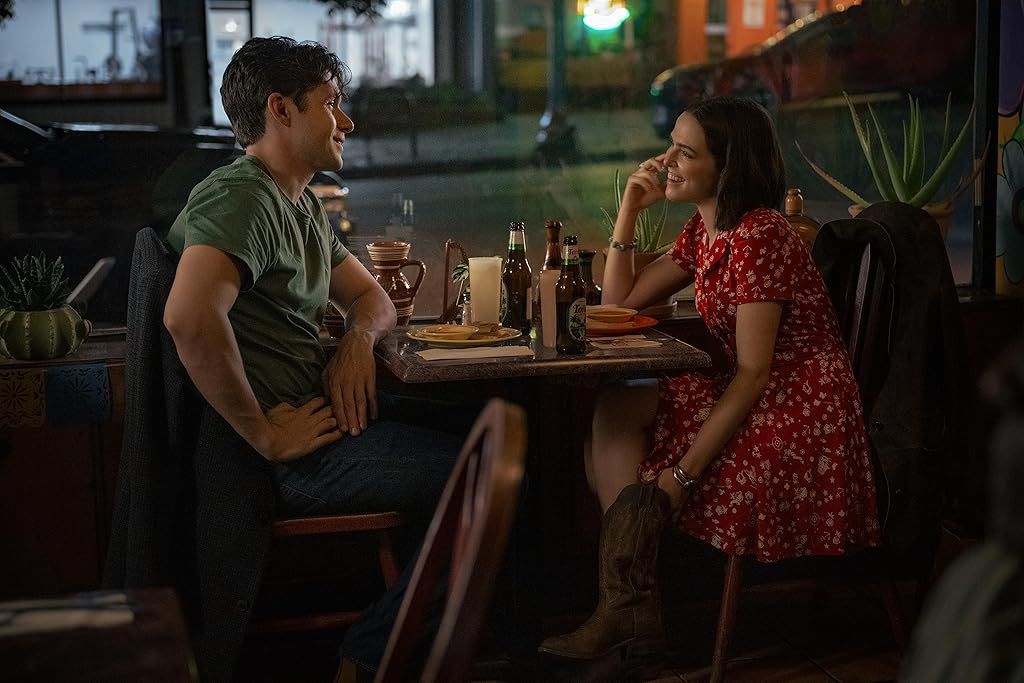
Ultimately, many of these issues point back to the screenplay. Rather than allowing its emotional moments to unfold naturally, Voicemails for Isabelle often feels too eager to move from one plot point to the next, leaving several relationships and emotional beats feeling underdeveloped.
A predictable tragedy
I also found Isabelle’s death less impactful than its aftermath.
Part of the reason is that the film seems to foreshadow it too heavily. Shortly before her death, Isabelle speaks to Jill with a sense of finality that almost makes it feel as though she already knows she isn’t going to survive. When Jill tells her they’ll see each other again in a few weeks, Isabelle’s response feels unusually certain, almost as if she’s saying goodbye.
Yet the film never explains why she seems so aware of what’s coming. We know her cystic fibrosis has reached a critical stage and that she’s waiting for a lung transplant, but nothing suggests she has been told that death is imminent. Because of that, I found myself expecting her death before it happened, which reduced much of its emotional impact.
Ironically, it wasn’t Isabelle’s death that broke my heart—it was everything that came after.
Questionable romance
My biggest issue with the romance involves the way the film handles Wes’ behavior.
What troubled me wasn’t simply that he listened to Jill’s voicemails. It was the way he used the personal information they contained to learn about her life, discover her favorite places, and deliberately seek her out without her knowledge. Although his intentions may have been good, I couldn’t ignore how closely some of these actions resembled stalking.
The film acknowledges that Wes hides the truth from Jill, but it never fully explores the ethical implications of his actions. Instead, it quickly steers the story back toward romance, asking the audience to view his persistence as charming rather than questioning the boundaries he crosses. I found that difficult to overlook.
There were also a few smaller moments that briefly pulled me out of the story. One example is a line suggesting that cannibalism is legal in Idaho, which is factually incorrect. It’s a minor detail, but one that felt unnecessary and could have easily been avoided.
Voicemails for Isabelle tells two very different stories, and for me, only one of them truly works.
Whenever the film focuses on Jill and Isabelle, it finds an emotional honesty that feels genuine and affecting. Their relationship is beautifully portrayed through quiet, intimate moments that remind us of what makes grief so devastating: not just losing someone, but losing the ordinary moments you once shared with them.
Strong performances from Zoey Deutch, Ciara Bravo, and Nick Robinson consistently elevate the material, while the film’s soundtrack, visual storytelling, and several emotionally powerful sequences leave a lasting impression.
Unfortunately, the romance never reaches the same level. Predictable storytelling, occasionally forced dialogue, rushed emotional transitions, and a relationship built on questionable decisions prevented me from becoming fully invested in the love story. In trying to balance grief with romantic comedy, the film ultimately succeeds far more as a story about sisterhood than it does as a romance.
That said, I can still understand why Voicemails for Isabelle may resonate with many viewers. Grief is deeply personal, and every audience member will connect with it differently. While the film didn’t fully work for me, it contains enough heartfelt moments to make it worth experiencing if you’re curious.