
Valens Habarugira: Wearing many hats in Rwanda’s film industry
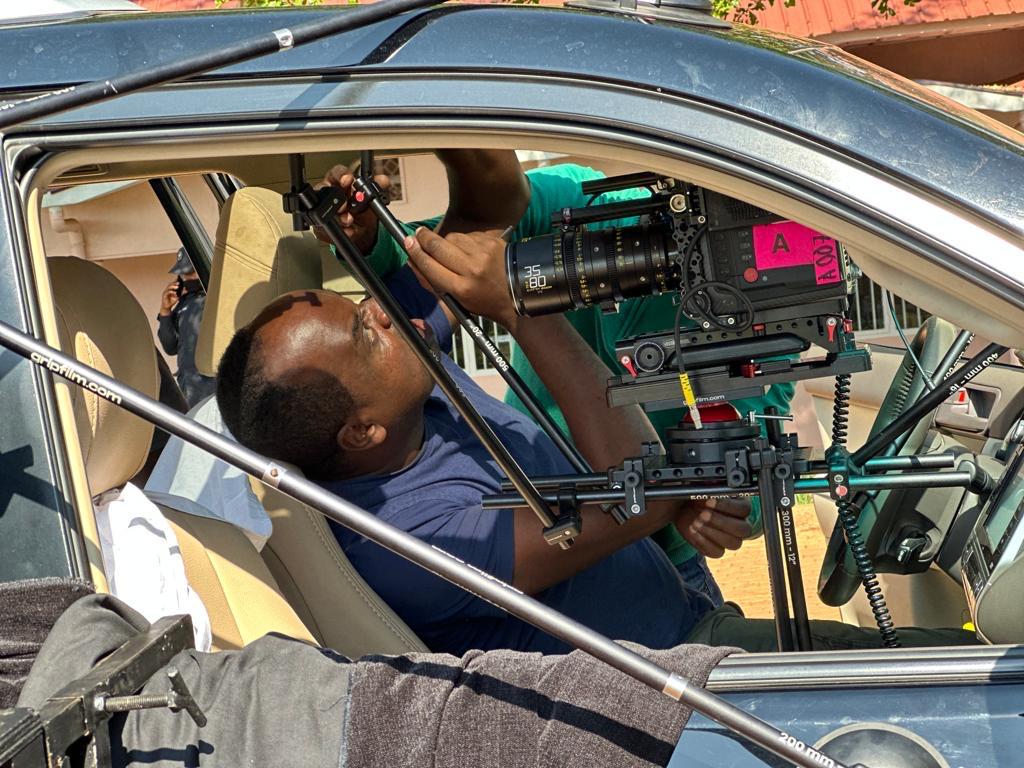
Valens Habarugira has spent over two decades working on film sets in Rwanda. His journey in cinema has not been easy, but it is one he never walked away from.
Born in 1979 in Kigali, he did not grow up dreaming of cinema. His early path pointed elsewhere. He studied Electronics in secondary school and expected to continue in that field. His connection to film came later, during the long period after finishing secondary school and before joining university.
At the end of 2002, a Cameroonian filmmaker named François Woukoache , who holds Belgian nationality, came to Rwanda to work on a documentary. He asked for young people who had completed secondary school or were unemployed and interested in learning cinema. Valens joined.
Woukoache mentored them freely. He did not ask for money. He simply taught them cinema.
Learning by doing
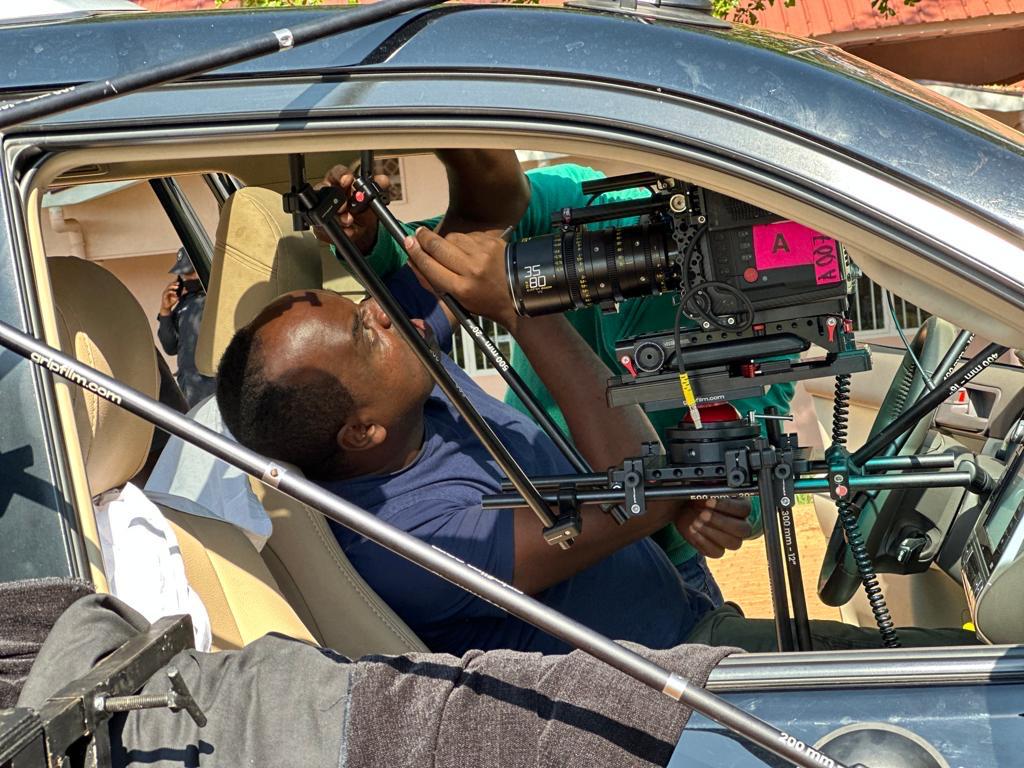
Soon after, foreign film productions began arriving in Rwanda to make films related to the 1994 Genocide against the Tutsi. As students learning cinema, Valens and others were sent to work as interns. One of the first films he worked on was Sometimes in April. He was still studying and not yet a professional, but this experience marked the beginning of his life in cinema.
From 2002 to 2007, he trained across different filmmaking departments, including camera, lighting, sound, and grip. Woukoache invited international mentors, supported by the European Union, to ensure students understood how a film works as a whole.
Later, they were encouraged to choose areas to focus on. Valens chose grip and camera, drawn to visual aesthetics and camera movement.
Those early years meant long days on set—watching, listening, learning, and working without knowing where the experience would eventually lead.
Finding his place on set
He began his professional journey in the grip department, gradually moving through assistant roles on set. Early projects included Shooting Dogs (2004) and Un dimanche à Kigali (2005), giving him hands-on experience in professional filmmaking environments.
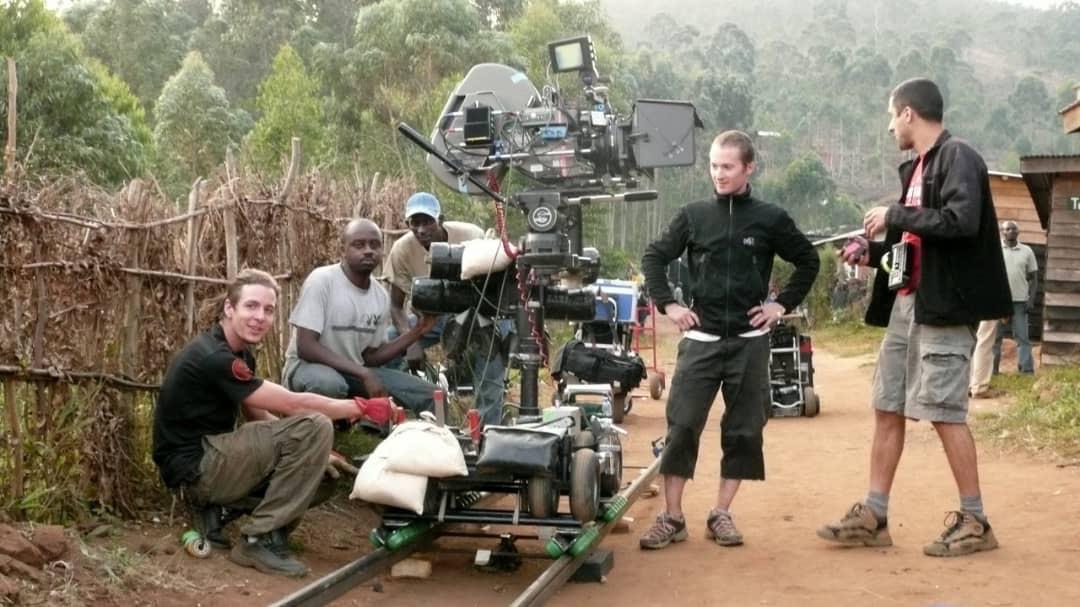
Grip, to him, is about movement—how the camera guides emotion and supports the story.
“Movement, visuals, and sound help the audience feel the message,” he says. “They help people understand.”
First film as a director
After completing his training in 2007, Valens directed his first film, Le goût de la liberté (The Taste of Freedom).
The story follows secondary school students who wanted to experience life outside strict school rules. They secretly carried casual clothes in their school bags, changed after class, and tried to blend in so they would not be recognized as students. It was his first experience telling a story as a director, reflecting youth curiosity and the desire to taste freedom.
It was not the end
A few years later, he directed and shot the documentary It was not the end (2010), which brought him significant recognition.
At the Amakula International Film Festival in Uganda, it won the Impala Golden Award. The documentary was later selected for international festivals, including the Black Film Festival in Montreal. A film school in France used it as a teaching reference, and German distributors later acquired it for screenings.
This project marked a turning point, showing he was not only a technician, but also a filmmaker with a clear voice.
Moving between roles
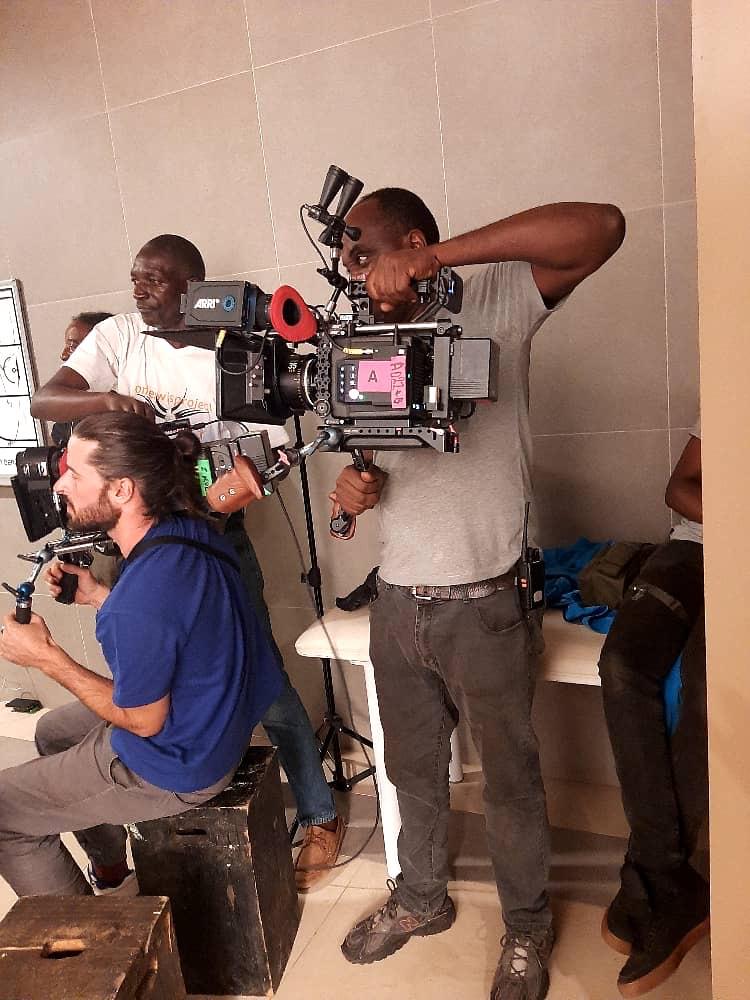
Over the years, he continued working across departments, particularly as a grip and key grip. His work includes films such as Les lignes de front, Opération turquoise, Le jour où Dieu est parti en voyage, Notre-Dame du Nil, Petit Pays, and Neptune frost.
He later held the same role on projects including Fight like a girl, Benimana, Souvenir, and Kaliza wa Kalisa.
Sound, trust, and collaboration
Valens also worked as a sound recordist. He collaborated with Mutiganda wa Nkunda on the film Nameless. Through this work, Wilson Misago noticed his sound work, which led to further collaborations on Misago’s own projects.
He also recorded sound for Clémentine Dusabejambo’s film A place for myself, further expanding his role beyond camera and grip.

Watching the industry change
When he started, very few people in Rwanda were interested in cinema. Foreign productions arrived with their own technical teams and professional equipment, while local crews observed and learned.
Over time, local filmmakers invested in skills and tools. Today, many productions collaborate directly with Rwandan technical teams.
“We are far from where we started,” he says, even as the industry continues to evolve.
Challenges, advice, and mentorship
The journey was not without challenges. He recalls working with people who did not pay, and moments when local crews were looked down upon by foreign technicians.
From that experience, he offers advice to newcomers:
“Be consistent and resilient. Don’t expect money immediately. Learn from those who know, do your job well, and be trustworthy.”
He remains deeply grateful to François Woukoache, who mentored him freely.
“What he gave us cannot be paid for,” he says.
He also thanks Wilson Misago for trusting him with multiple projects and allowing him to grow through collaboration.
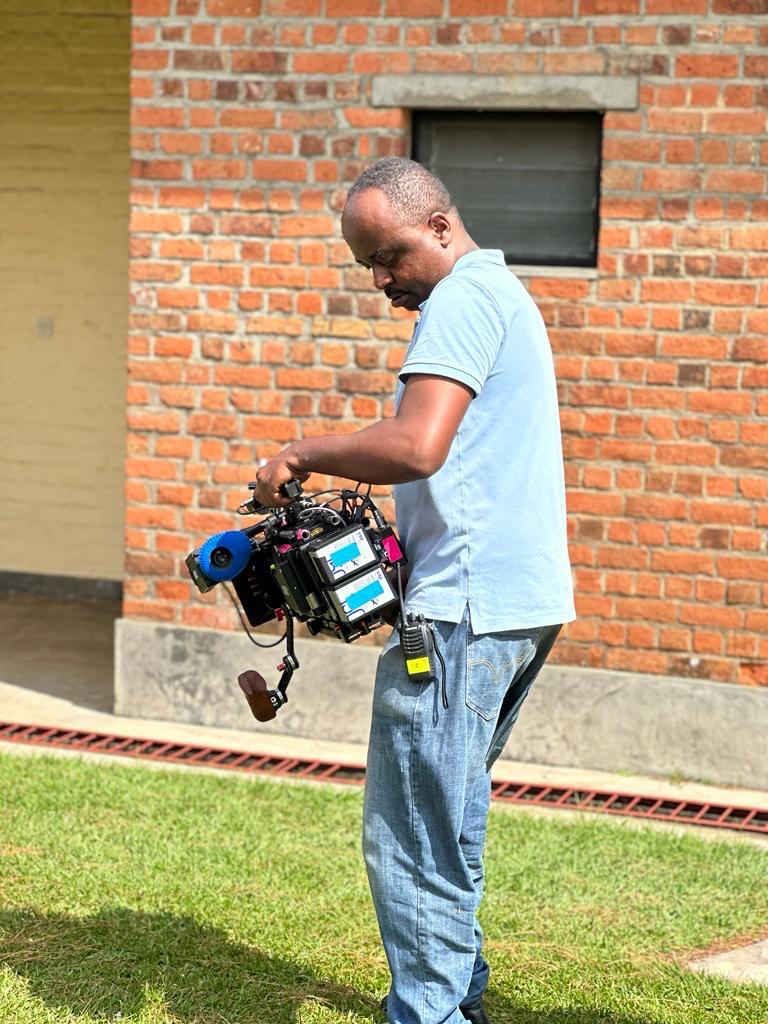
Valens is proud of mentoring younger professionals such as Louis Udahemuka, Philemon Karemera, and Régis NZEYUWERA, who are now doing well in the industry.
“They are even doing better than me,” he says.
Today, Valens Habarugira is still on film sets—sometimes working as a key grip, sometimes behind the camera, sometimes recording sound. He continues to collaborate, mentor, and share what he knows, just as knowledge was once shared with him freely.
His journey is not defined by titles or awards, but by presence. By showing up when cinema in Rwanda was still fragile, by staying when the industry was uncertain, and by contributing quietly to films that audiences now reference as examples of quality.
More than twenty years after joining a free cinema training led by François Woukoache, he remains part of the foundation of Rwanda’s film industry—one of the people who stayed, learned, and helped it grow.