- Home
- Professionals
- Top 10 film producers powering the rise of Rwandan cinema
Top 10 film producers powering the rise of Rwandan cinema
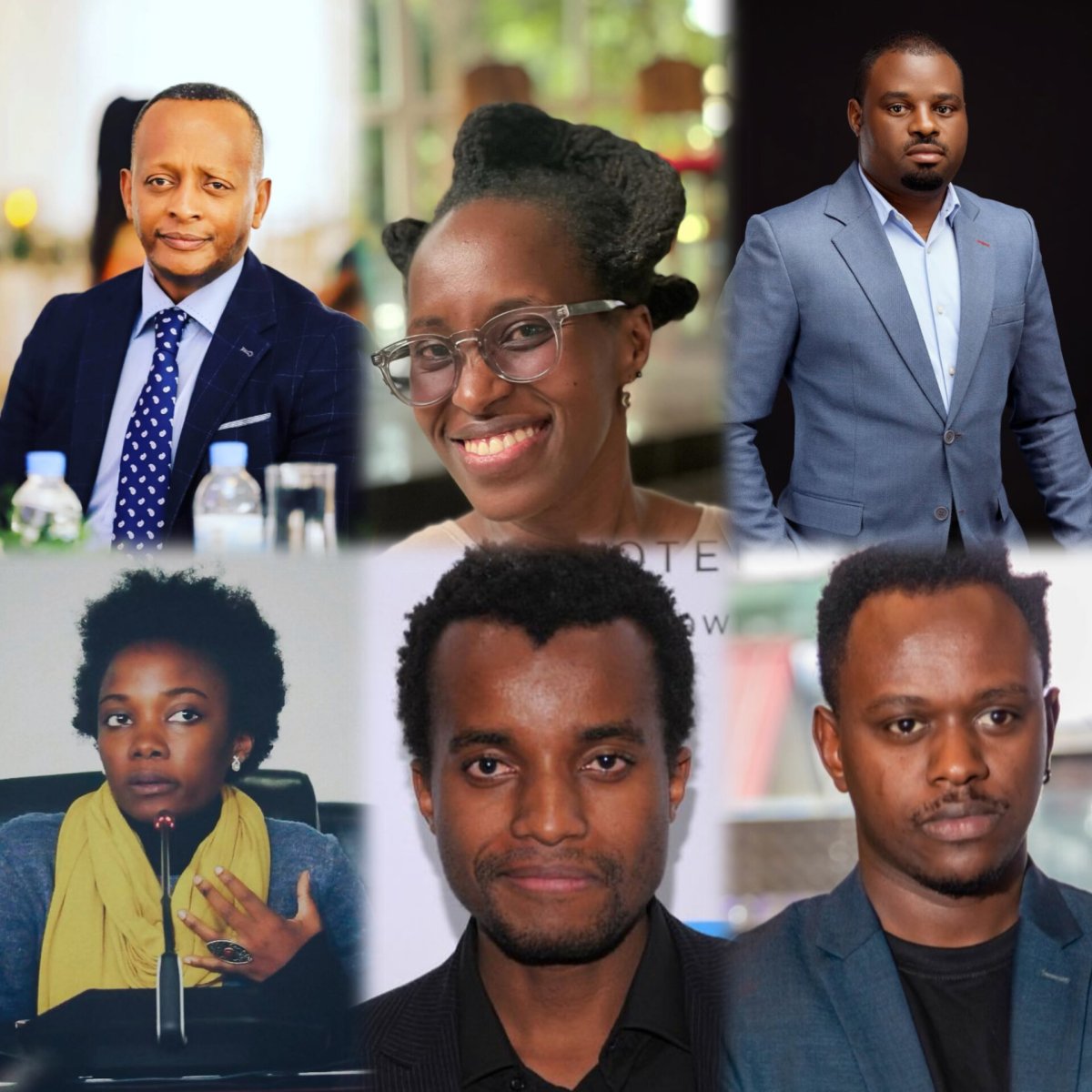
Movies don’t just happen—they are built from the ground up. Producers are the architects behind every story we see on screen, guiding scripts from idea to production, supporting talent, and making sure every project comes to life. In Rwanda, a number of dedicated producers have played a major role in growing the film industry, helping local stories reach audiences both at home and around the world.
Here are ten Rwandan film producers whose vision, hard work, and commitment continue to shape the industry and keep Rwandan cinema moving forward.
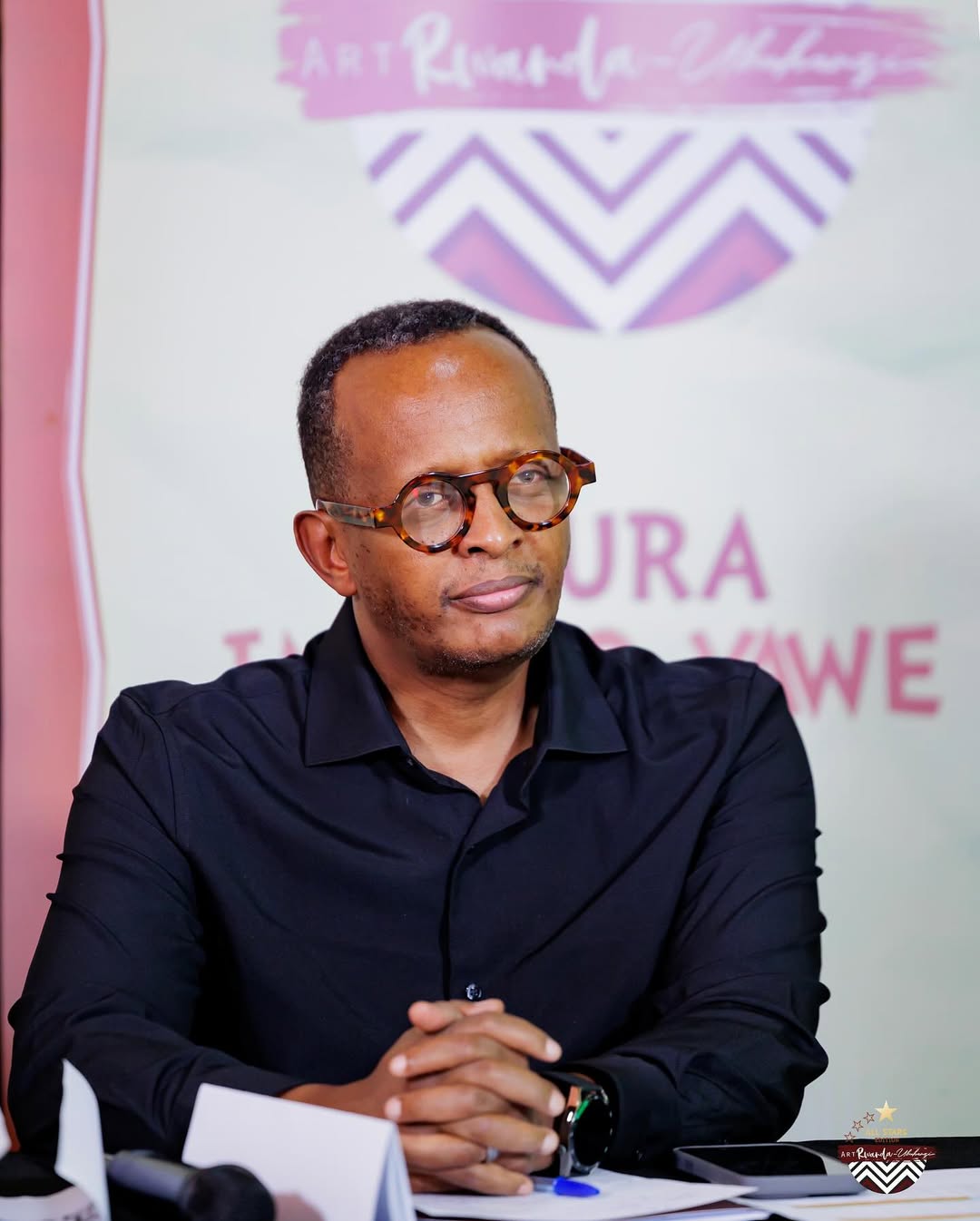
Eric KABERA
Often referred to as the “Godfather of Rwandan Cinema,” Eric Kabera is widely recognized as one of the architects of Rwanda’s modern film industry. Through filmmaking, institution-building, and international collaboration, he has played a central role in bringing Rwandan stories to the global screen.
Kabera produced 100 Days (2001), the first feature film about the 1994 Genocide against the Tutsi and the first to be shot in Rwanda after the tragedy. The film marked a turning point for Rwandan storytelling in cinema and opened the door for future productions about the country’s history.
Beyond producing films, Kabera has built major platforms that support the growth of Rwanda’s film industry. In 2001, he founded the Rwanda Cinema Centre (RCC) to train young filmmakers and encourage authentic African storytelling. In 2005, he launched the Rwanda Film Festival, a traveling festival that brought cinema to communities across the country using inflatable screens — an initiative that helped popularize the concept of “Hillywood,” the nickname for Rwanda’s film industry.
His filmography includes projects such as Keepers of Memory (2004), keepers of memory, Africa United (2010) and Intore.
Kabera has also contributed to film education through the Kwetu Film Institute, Rwanda’s first film and digital media school, helping train a new generation of African storytellers.
In recent years, his work has expanded internationally, with projects like The Woman in Me (2024) — a documentary focusing on women’s empowerment that won recognition at the Africa Film for Impact Festival — and Her Right (2026), addressing sexual and reproductive health awareness. He is also currently developing Love on a Moto, a romantic adventure set partly in Rwanda.
For more than three decades, Eric Kabera has not only produced films but also built the structures that allow Rwandan cinema to exist and grow. Through festivals, training programs, and international collaborations, his influence continues to shape the direction of the country’s film industry.
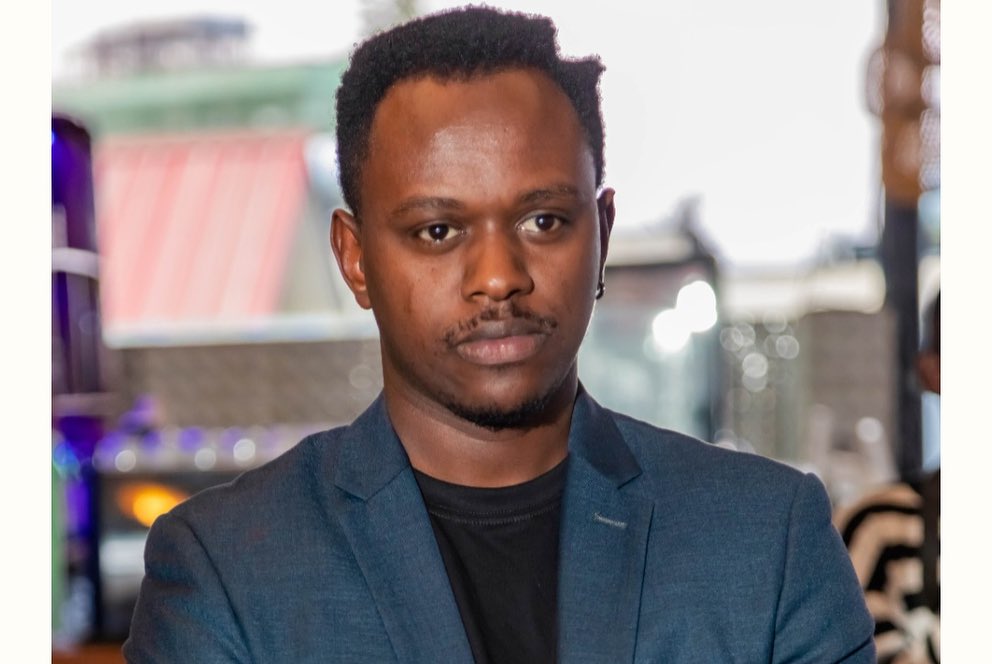
Philbert Aimé Mbabazi Sharangabo
Philbert Aimé Mbabazi Sharangabo is recognized as one of Rwanda’s most distinctive contemporary filmmakers, known for his patient, character-centered storytelling. Rather than heroes or archetypes, his films focus on individuals navigating grief, desire, and memory, reflecting a deeply human perspective on post-genocide Rwandan society.
Born in 1990 in Kigali, Sharangabo studied cinema at the Geneva University of Art and Design (HEAD–Genève), where he developed the minimalist, immersive style that defines his work. During his student years, he created short films like The Liberators (2016) and Versus (2016), taking on multiple roles as director, writer, editor, producer, and sound mixer. These early works were screened at prestigious festivals including Visions du Réel, Oberhausen, Tampere, and Uppsala, marking his emergence on the international stage.
After returning to Kigali, he continued refining his voice through shorts such as I Got My Things and Left (2018), which won the Grand Prize at the Oberhausen International Short Film Festival and screened at over 20 festivals worldwide. Sharangabo also founded Imitana Productions, a collaborative film company supporting emerging Rwandan filmmakers and fostering a culture of experimentation, trust, and collective authorship.
In 2025, Sharangabo made his feature-length debut with Minimals in a Titanic World, which premiered in the Forum section of the Berlin International Film Festival (Berlinale). Set in contemporary Kigali, the film follows Anita, a dancer and musician recently released from prison, as she navigates grief and reconnection with her community. The feature was produced through Imitana Productions (Rwanda), Chromosom Film (Germany), and Zili Studios (Cameroon), with support from the Berlinale World Cinema Fund (Africa) and later selected for FESPACO, Africa’s premier film festival.
Sharangabo’s cinema privileges mood, emotion, and lived experience over conventional plot, blending evocative cinematography and sound design to immerse audiences in his characters’ inner worlds. His films consistently resist reducing individuals to trauma or hardship, reflecting a belief in the complexity and resilience of human life.
As of 2026, Sharangabo continues to work from Kigali while engaging with the international film circuit, mentoring emerging Rwandan talent and shaping an alternative, collaborative filmmaking culture in the country. His journey—from short films to global festival recognition—illustrates the emergence of Rwanda’s new wave of auteur filmmakers, and his vision continues to influence how African stories are told and shared worldwide.
Wilson MISAGO
When Wilson Misago launched Rwanda’s first locally produced TV series, he didn’t just tell stories—he built the very foundation of the country’s television industry. Over the past 15 years, he has transformed television and digital media in Rwanda, creating its most recognizable dramas, pioneering new formats, and positioning local stories on global platforms.
Born on December 14, 1985, in Gisagara, Rwanda, Misago began his career in journalism and radio before transitioning to scripted television and film production. In 2013, he produced Ubu n’ejo, one of Rwanda’s earliest locally made series, laying the groundwork for a new era in scripted content. A year later, he broke new ground with Inshuti, the country’s first locally produced TV series, followed by popular dramas such as Seburikoko and City Maid. Across his career, he has overseen more than 800 hours of original scripted programming, defining Rwanda’s television drama landscape.
In 2017, Misago expanded into digital platforms, founding Afrifame Ltd and Zacu TV, Rwanda’s first subscription-based Video-on-Demand service for local content. In 2022, Canal+ acquired Zacu TV, transforming it into the country’s first Kinyarwanda-language fiction channel on an international network and giving Rwandan productions unprecedented global reach.

Beyond content creation, Misago has built systems and talent pipelines that sustain the industry. Through Zacu Entertainment, he has trained and employed hundreds of emerging creatives, mentoring the next generation of Rwandan filmmakers, actors, and writers. His contributions were recognized with a Lifetime Achievement Award from the Shining Stars Awards Africa, celebrating his enduring impact on Rwandan and African media.
He continues to innovate with new formats and genres. In 2024, he created Shuwa Dilu, Rwanda’s first sitcom, blending comedy with social observation and bringing together some of the country’s best-known comedians. Recent projects such as Hurts Harder, Mucoma, and Ibyahishuwe (2025) demonstrate his commitment to supporting emerging filmmakers and exploring fresh storytelling approaches.
Through landmark dramas, pioneering digital platforms, mentorship programs, and genre-expanding productions, Wilson Misago has redefined Rwandan television. He has built the platforms, infrastructure, and talent pipelines that allow stories to thrive, while extending Rwanda’s narratives to international audiences through Canal+. Today, he stands as one of Rwanda’s most influential producers, shaping both the stories audiences watch and the industry that brings them to life.
KIVU RUHORAHOZA
Kivu Ruhorahoza is widely regarded as one of the most distinctive filmmakers to emerge from Rwanda’s post-genocide generation, and one of the first Rwandan auteurs to gain sustained recognition on the international festival circuit. Known for his bold, experimental storytelling, his films explore themes of trauma, identity, memory, and post-colonial tension. His work is often characterized by non-linear narratives, philosophical themes, and a blending of realism with psychological and symbolic imagery.
Born on December 6, 1982, in Kigali, Ruhorahoza began his career in 2004 working as a production assistant for filmmaker Eric Kabera before being promoted to production manager, assisting international news crews from outlets such as BBC and CNN. While this experience introduced him to the world of media production, his creative ambitions soon led him toward narrative filmmaking.
He gained early international attention with his short films Confession (2007) — which won the City of Venice Award at the Milan African, Asian and Latin American Film Festival — and Lost in the South (2008), which received Best African Short Film at the Vues d’Afrique Festival in Montreal.
In 2010, he directed the documentary Rwanda 15, which follows a New York–based musician traveling to Rwanda during the 15th commemoration of the Genocide against the Tutsi. The film premiered at the Zanzibar International Film Festival and further established his presence in international cinema circles.
Ruhorahoza’s breakthrough came with his debut feature Grey Matter (2011), a psychologically layered film examining the lingering trauma of the 1994 Genocide against the Tutsi. The film is often considered one of the first feature films written and directed by a Rwandan filmmaker and marked a turning point for contemporary Rwandan cinema. Despite being produced under limited resources in Rwanda, the film premiered at the Tribeca Film Festival and went on to screen at major international festivals including Rotterdam, Melbourne, Dubai, Durban, Warsaw, Göteborg, and Festival do Rio. It earned numerous awards, including the Jury Special Mention for Best Emerging Filmmaker at Tribeca and recognition from the Ecumenical Jury at the Warsaw Film Festival.
His second feature, Things of the Aimless Wanderer (2014), further established his reputation for artistic experimentation. The film examines the uneasy relationship between Africans and Westerners through a fragmented narrative exploring paranoia, mistrust, and cultural misunderstanding. It premiered at the Sundance Film Festival in the New Frontier program and was produced with a fully Rwandan crew on a modest budget.
Ruhorahoza continued to explore international and philosophical themes with his third feature film Europa (2019), a story set in London that follows a complex love triangle involving a British couple and a Nigerian asylum seeker, set against the political tensions surrounding Brexit and anti-immigration debates in Europe. The film reflected his continued interest in identity, displacement, and the relationship between Africa and the West.
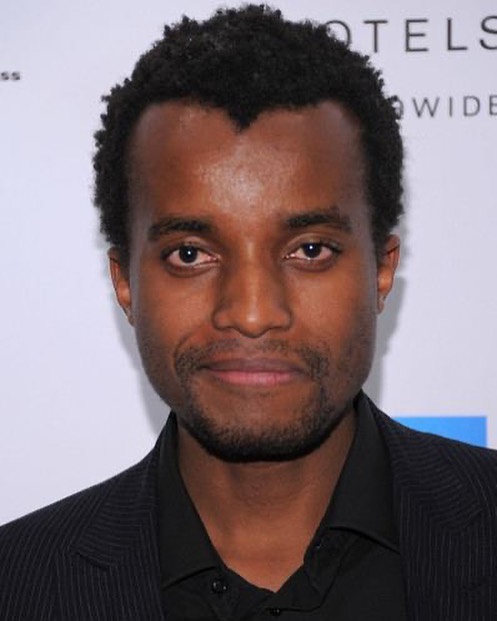
In 2022, he directed his fourth feature film Father’s Day, a micro-budget production structured as three separate but interconnected stories. Each segment centers on a flawed father figure and reflects on changing ideas of masculinity in contemporary Rwanda. The film maintained his signature experimental style and premiered at the Berlin International Film Festival, where it was nominated in the Encounters section.
In recent years, Ruhorahoza has expanded his work beyond traditional filmmaking. His 2025 project Whispers, created with artist Christian Nyampeta, is a cinematic meditation inspired by Birago Diop’s poem Souffles, exploring themes of death, memory, and spiritual legacy.
His work has also entered the world of contemporary art and academia. Ruhorahoza served as the McMillan-Stewart Fellow at the Harvard Film Archive (2022–2025), where his films were honored through screenings and scholarly discussions. Meanwhile, his groundbreaking film Grey Matter continues to be screened globally in retrospectives and academic programs.
Beyond his own filmmaking, Ruhorahoza is increasingly recognized as a mentor and pioneer of Rwanda’s new generation of filmmakers. His international success helped open doors for a wave of emerging Rwandan directors, contributing to a growing presence of Rwandan films on the global festival circuit.
Through his daring visual style, philosophical storytelling, and commitment to artistic independence, Kivu Ruhorahoza has become one of the most influential voices shaping contemporary Rwandan cinema and a key figure in the evolution of modern African film.
Joël KAREKEZI
From FESPACO’s highest honor to major international co-productions, Joël Karekezi has built a career that places Rwandan cinema firmly on the global stage. Through award-winning films, disciplined storytelling, and strong production leadership, he has become one of the key figures shaping modern Rwandan filmmaking both locally and internationally.
Born in Rubavu, western Rwanda, Karekezi did not initially study film. He spent several years studying Biology and Chemistry at the Kigali Institute of Education (now the University of Rwanda – College of Education) before deciding to pursue storytelling. In 2008, he earned a diploma in Film Directing from Cinécours, a Canadian online film school, and later attended the Maisha Film Lab in Uganda in 2009, where he refined his screenwriting skills and began developing stories that would define his career.
He gained early recognition with the short film The Pardon (2010), a powerful story about reconciliation in post-genocide Rwanda. The film won the Golden Impala Award at the Amakula Film Festival and Best Short Film at the Silicon Valley African Film Festival, screening at several international festivals. He later expanded the story into his first feature, Imbabazi: The Pardon (2013), which won the Nile Grand Prize at the Luxor African Film Festival and established him as one of the strongest emerging filmmakers in the region.
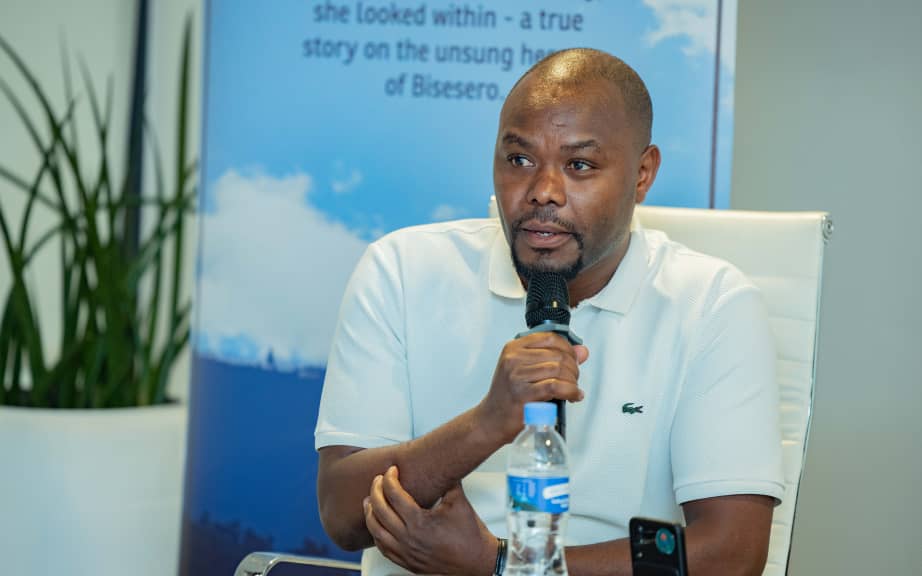
Karekezi’s international breakthrough came with The Mercy of the Jungle (2018), which premiered at the Toronto International Film Festival. Set during the Second Congo War, the film follows two soldiers struggling to survive after being separated from their unit, focusing on human vulnerability rather than heroism. The film won the Etalon d’Or de Yennenga at FESPACO, Africa’s most prestigious film award, as well as Best Film and Best Actor at the Africa Movie Academy Awards and Best Screenplay at the Khouribga African Film Festival. Its success marked a major milestone for Rwandan cinema on the international stage.
Alongside directing, Karekezi frequently works as a producer and collaborator on international co-productions, helping build partnerships that allow Rwandan films to reach wider audiences. His upcoming project, The Battle of Bisesero (2026), revisits one of the most significant stories of civilian resistance during the 1994 Genocide against the Tutsi. The screenplay was co-written with South African director Mandla Dube and is being developed as a large-scale international production.
He is also developing Capitaine Mbaye, based on the true story of Senegalese UN officer Mbaye Diagne, who saved hundreds of civilians in Kigali during the genocide. The film is being produced as a Rwanda–Belgium–France–Senegal co-production with support from several international film funds, reflecting Karekezi’s growing role in global film collaborations.
Beyond his own productions, Karekezi is committed to training the next generation of filmmakers. In 2020, he founded a film residency school in Rwamagana, where young creatives receive practical training in screenwriting, directing, producing, acting, and technical filmmaking. Through this initiative, many emerging storytellers have gained the skills needed to build careers in the industry.
Through award-winning films, international partnerships, and mentorship programs, Joël Karekezi has become one of the producers and filmmakers driving the international rise of Rwandan cinema, proving that local stories can reach the world without losing their depth, identity, or truth.
Marie-Clémentine Dusabejambo
Marie-Clémentine Dusabejambo is a Rwandan filmmaker celebrated for her careful, empathetic approach to storytelling. Her work explores post-genocide memory, social marginalization, and the moral tensions of everyday life, often focusing on children and individuals navigating inherited or imposed identities.
Born in 1987 in Kigali, Dusabejambo initially studied Electronics and Telecommunications Engineering before discovering a passion for cinema through local filmmaking collectives in 2008. Largely self-taught, she developed her craft through international workshops and residencies, including Sud Écriture, Ouaga Film Lab, Berlinale Talents, La Fabrique Cinéma (Cannes), and NIPKOW.
Her early work includes the acclaimed short Lyiza (2011), about a schoolgirl confronting the memory of genocide perpetrators, which premiered at Tribeca and won the Tanit Bronze at the Carthage Film Festival. Other notable shorts include A Place for Myself (2016), addressing stigma faced by children with albinism, and Icyasha (2018), examining rigid social norms around masculinity. Across her shorts, Dusabejambo has earned more than 25 awards at festivals in Africa, Europe, and North America, including FESPACO, Zanzibar, Carthage, and the Africa Movie Academy Awards.
Dusabejambo has also contributed to international cinema through work as a script supervisor, script doctor, researcher, and assistant producer, collaborating on projects like Neptune Frost and Why We Hate?. She co-founded Ejo Cine Ltd, a Kigali-based production company, and has curated film programs including the European Union Film Festival in Rwanda, reflecting her commitment to building cinema infrastructure alongside authorship.
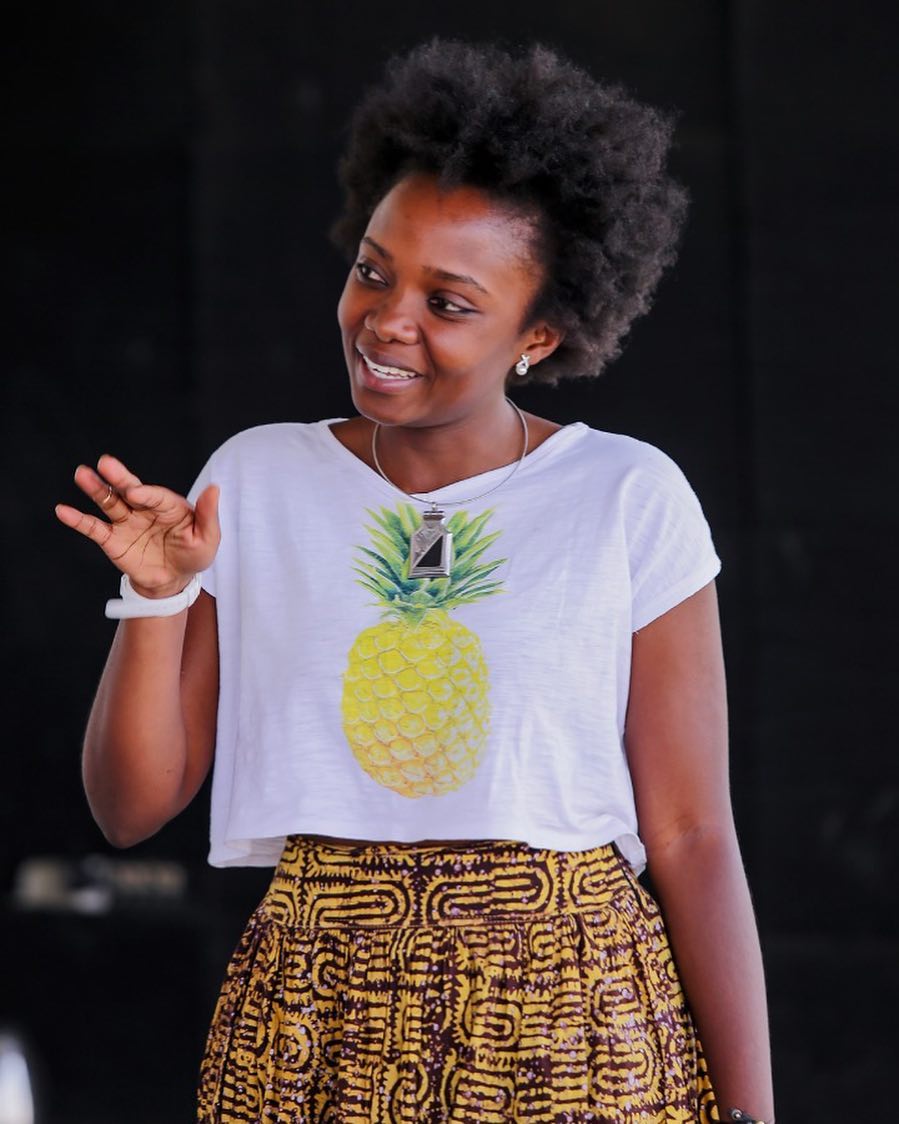
Her first feature-length fiction, Benimana (2026), recently completed production. The film follows Veneranda, a genocide survivor whose life of reconciliation is challenged when her daughter reveals an unexpected pregnancy. Developed over a decade, Benimana benefited from international labs such as the Atlas Workshops and Ouaga Film Lab, and received production support from the Berlinale World Cinema Fund and the Norwegian Sørfond. The film was shot by Mostafa El Kashef, known for his Cannes 2025 work on Aisha Can’t Fly Away.
Dusabejambo’s cinema is marked by patience, ethical responsibility, and a refusal to look away, allowing her characters space to exist with dignity. As she transitions to feature filmmaking, she continues to be a careful, necessary voice in Rwandan and African cinema, combining artistry with social consciousness.
Samuel Ishimwe Karemangingo
Samuel Ishimwe Karemangingo is a pioneering Rwandan filmmaker known for his slow, meditative storytelling, blending fiction and documentary to explore memory, trauma, and personal legacy. His cinema emphasizes realism, silence, and lived experience, establishing him as one of Rwanda’s most introspective voices on the global stage.
Born in 1991 in Kigali, Ishimwe was orphaned by the 1994 Genocide against the Tutsi, an early loss that shaped his perspective on life and storytelling. He began his career in journalism and photography, developing a visual and narrative sensibility that would inform his filmmaking.
He honed his craft at the Kwetu Film Institute in Kigali and the Haute école d’art et de design (HEAD) in Geneva, creating short films that garnered international attention. His landmark short, Imfura (2017), follows a young man returning to his late mother’s village in post-genocide Rwanda. Selected for the Berlinale Shorts competition, it won the Silver Bear Jury Prize and screened at festivals including Palm Springs, Durban, Stockholm, Namur, and Mashariki.
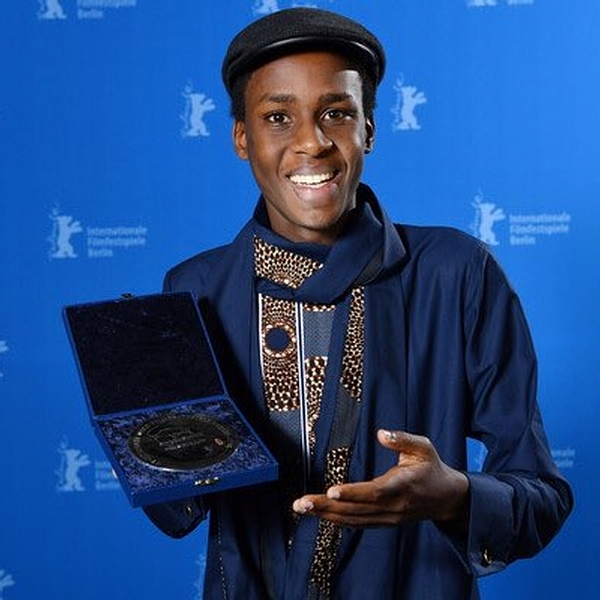
Earlier works include Paying Debts (2011), Crossing Lines (2014), Uruzi (2014), The Liberators (2016), Versus (2016), and I Got My Things and Left (2018), in which he served as director, producer, cinematographer, and editor. These projects established Ishimwe’s reputation for a poetic, emotionally grounded cinematic language.
Building on this foundation, Ishimwe is now developing his debut feature film, Ikimanuka (The Season of the Weary). The story follows Mbanda, a 57-year-old man whose quiet life changes when he reunites with the love of his youth decades later. Ikimanuka has been nurtured through major international programs, including the Cannes Cinéfondation Residence, and is produced by Imitana Productions (Rwanda) in collaboration with Petit Chaos (France), known for producing All We Imagine As Light (Cannes Grand Prix 2024). The project received €100,000 from Rwanda’s Creative Grants Initiative 2024, marking a major milestone in locally supported Rwandan feature filmmaking.
Through both his shorts and upcoming feature, Ishimwe continues to be a leading figure in Rwanda’s new wave of auteur filmmakers, bridging personal narrative and national memory while shaping an internationally recognized cinematic voice from Africa.
Mutiganda wa Nkunda
Mutiganda wa Nkunda is a filmmaker whose stories challenge social norms, spotlight untold realities, and put Rwanda on the international cinema map. His work explores survival, identity, and social justice, often through strong female protagonists navigating complex contemporary lives, combining compelling narratives with global resonance.
Born on October 18, 1989, wa Nkunda initially studied Agriculture, completing his degree in 2013. Even before entering filmmaking, his talent was recognized: in 2012, four of his screenplays were shortlisted in the Global Dialogues Short Story Creating Contest, foreshadowing a career dedicated to socially conscious storytelling. Soon after, he worked as a journalist and film critic for local media and Inyarwanda Ltd, gaining insight into Rwanda’s creative landscape before fully committing to cinema.
He made his filmmaking debut in 2014 with the short film Rayila, an intimate and socially charged drama about a teenage mother facing HIV/AIDS and systemic violence. The film won awards and screened internationally, establishing wa Nkunda as a filmmaker unafraid to tackle difficult social realities. That same year, he contributed to Inshuti (Friends), Rwanda’s first locally produced TV series, which aired on TV10 and built a strong following on YouTube.
Wa Nkunda’s early career demonstrates his versatility and experimentation. From producing Ishaba (2015) as part of Africalia’s Best African Short Films collection, to directing the experimental La Femme Nue (2015) and his second short, Ibanga ry’umunezero (2017), he cultivated a distinct voice and range across narrative forms. He also honed his craft internationally through the Maisha Film Lab screenwriting workshop, where he developed the hit TV drama Seburikoko, and by pitching his debut feature at the Takmil workshop at the Carthage Film Festival.
In 2017, he co-founded IZACU, an independent production company, with filmmaker Yuhi Amuli. Through IZACU, he produced and directed his award-winning debut feature, Nameless (Les Anonymes) (2021), which earned Best First Feature Film by a Director at the African Movie Academy Awards and Best Screenplay at FESPACO 2021. He also produced A Taste of Our Land (2020, directed by Yuhi Amuli), which garnered AMAA recognition, Best First Feature Narrative at the PanAfrican Film Festival, and a Best Actor award at the Festival du Cinéma Africain de Khouribga, highlighting his role in supporting other filmmakers’ success.
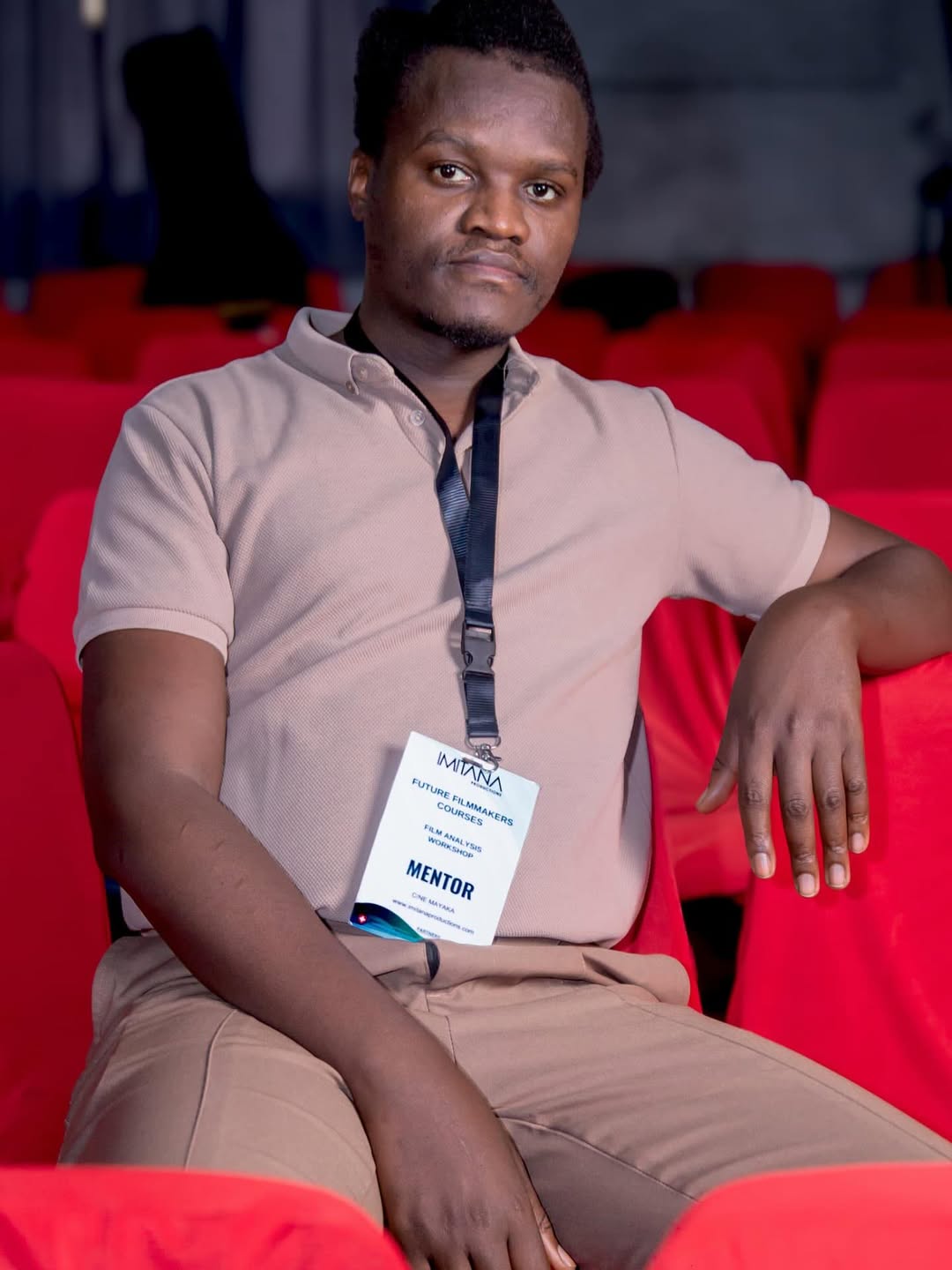
His second feature, Phiona, A Girl from Madrid (2025), premiered at FESPACO 2025, and his made-for-TV feature Mucoma: The Battle of a Couple (2025) earned him the Best Script Writer Award at the Mashariki African Film Festival and is currently competing in the LIFT-OFF Global Sessions 2026.
Beyond filmmaking, wa Nkunda is deeply committed to mentorship and talent development. Through initiatives like the 250 Film Experiment collective and cine-club programs, he continues to guide emerging directors, writers, and actors, helping foster the next generation of Rwandan storytellers.
Across journalism, shorts, television, and award-winning features, Mutiganda wa Nkunda has proven that Rwandan stories can resonate globally—telling local truths while shaping the country’s cinematic future. His work combines social relevance, artistic innovation, and international recognition, establishing him as one of Rwanda’s most influential producers and filmmakers today.
Didacienne “Dida” Nibagwire
Didacienne Nibagwire, popularly known as Dida, is an actress, producer, and cultural entrepreneur widely recognized for her role in developing Rwanda’s modern film and performing arts industry. Through her work in film production, theatre, and cultural institutions, she has become one of the key figures supporting socially engaged storytelling and creating opportunities for emerging Rwandan creatives.
Dida began her career in television and theatre, working on projects focused on civic education, children’s rights, and social awareness. She later expanded into producing, casting, and cultural management, building a reputation as one of the producers shaping the professional structure of Rwanda’s contemporary creative sector. Her work has been instrumental in mentoring young actors and filmmakers while promoting stories rooted in community, identity, and collective memory.
Among her most notable film projects are A Place for Myself (2016) and ICYASHA (2018), both directed by Clémentine Dusabejambo, which received international recognition for their sensitive and socially conscious storytelling. She also worked as casting director and technical advisor on Petit Pays (2020), helping select mostly non-professional actors to achieve authentic performances. In 2022, she co-produced Father’s Day, directed by Kivu Ruhorahoza, which premiered in the Encounters section of the Berlin International Film Festival and later screened internationally, including at MoMA in New York.
Beyond film production, Nibagwire is the co-founder of L’Espace Kigali, a multidisciplinary cultural center established in 2020 that has become one of the most important creative hubs in Rwanda. The space hosts theatre, dance, film screenings, exhibitions, and collaborative productions, providing a platform for both established and emerging artists. Through her company Iyugi Ltd, she trains young creatives in acting, writing, scenography, and radio production, with a strong focus on mentorship and socially responsible art.

In recent years, she has also led large-scale international stage productions. Her major project is the adaptation of Gaël Faye’s novel Petit Pays, titled Gahugu Gato, which she co-directed with French director Frédéric Fisbach. The production was performed across Rwanda as part of the Kwibuka 30 commemoration in 2024 and later featured in the official program of the 79th Festival d’Avignon in 2025, one of the world’s most prestigious theatre festivals. Designed for outdoor performance, the show blended speech, music, and dance and featured an entirely Rwandan cast to reflect the country’s memory and reconstruction, making it one of the few Rwandan stage productions presented in the festival’s official selection.
She also co-produced Minimals in a Titanic World (2025), which has since premiered and received attention for its innovative storytelling, further cementing her reputation in internationally recognized productions. L’Espace Kigali continues to serve as a leading venue for multidisciplinary arts, hosting exhibitions, performances, and community-focused programs on themes such as environmental awareness.
Through her dual focus on production and institution-building, Didacienne Nibagwire is considered one of the leading producers shaping Rwanda’s contemporary film and performing arts landscape, helping bring locally rooted stories to international audiences while supporting the next generation of creators.
Yuhi Amuli
Yuhi Amuli (b. Kigali, raised on Nkombo Island) is a filmmaker and trained lawyer whose work interrogates land, power, borders, and belonging. Known for idea-driven cinema, Amuli uses allegory, visual restraint, and moral tension to explore social and political systems, often on modest budgets.
He gained international recognition with A Taste of Our Land (2020), winning the Jury Award for Best First Narrative Feature at the Pan African Film Festival and the Africa Movie Academy Award for Best First Feature by a Director. His second feature, Citizen Kwame (2023), explores global mobility restrictions through a metaphorical lens, earning Best Cinematic Treatment at the Luxor African Film Festival.
Amuli founded IZACU, an independent production company supporting emerging East African filmmakers and sustainable low-budget productions. Through IZACU, he produced Nameless (2021), directed by Mutiganda wa Nkunda, which received international distribution via Orange Studios (France).
His ongoing projects include MARIYA, a Berlinale Talents Lab 2026 selection exploring moral conflict within religious constraints, and Mother Court (2026), a legal drama inspired by Rwanda’s first surrogacy case, merging his expertise in law and cinema.

Amuli’s films prioritize ethical reflection over spectacle, blending narrative rigor with political clarity, and positioning him as one of Rwanda’s most intellectually ambitious cinematic voices.
These ten producers represent some of the driving forces behind the growth of Rwandan cinema, but they are not the only ones contributing to its progress. Other influential talents such as Bahavu Jeanette, Jean Luc Mitana, Myriam Birara, Richard Umugwaneza, Remy RYUMUGABE, and many more continue to support the industry through their creativity, discipline, and dedication to powerful storytelling.
The rise of digital platforms has also opened new doors for producers like Niyitegeka Gratien, Benimana Ramadhan, Yannick Niyonshuti, and other YouTube content creators whose consistency and innovation are changing how Rwandan productions reach audiences. Their work shows that cinema is no longer limited to traditional screens, but continues to grow wherever stories can be created and shared.
Together, these filmmakers and producers form a strong creative force pushing Rwandan cinema to new heights. As the industry continues to expand, their passion and determination ensure that Rwandan stories will keep shining both locally and internationally. Stay tuned for our next article, where we highlight the Top 10 Rwandan YouTube Content Creator Producers.