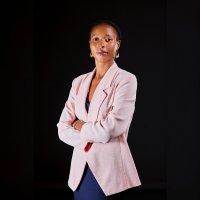
Through Women’s Eyes: Mashariki Spotlights Women Filmmakers
What stories emerge when women are given the space to tell them from their own perspectives? At the 12th edition of the Mashariki African Film Festival (MAAFF), that question finds expression through films exploring identity, family, cultural expectations, violence and resistance.
To mark the International Day for the Elimination of Violence against Women on November 25, the festival dedicated its Wednesday programme to films directed or co-directed by women.
The programme brought together 17 films from 11 countries across both festival screens, Mashariki Central and Screen 2.
According to the festival, approximately one in three films selected for this year’s edition is directed or co-directed by women, with their work represented across feature films, documentaries, short films, television series and the Rwanda Focus programme.
Exploring women’s experiences through cinema
The November 25 selection approached women’s experiences from different cultural and social perspectives.
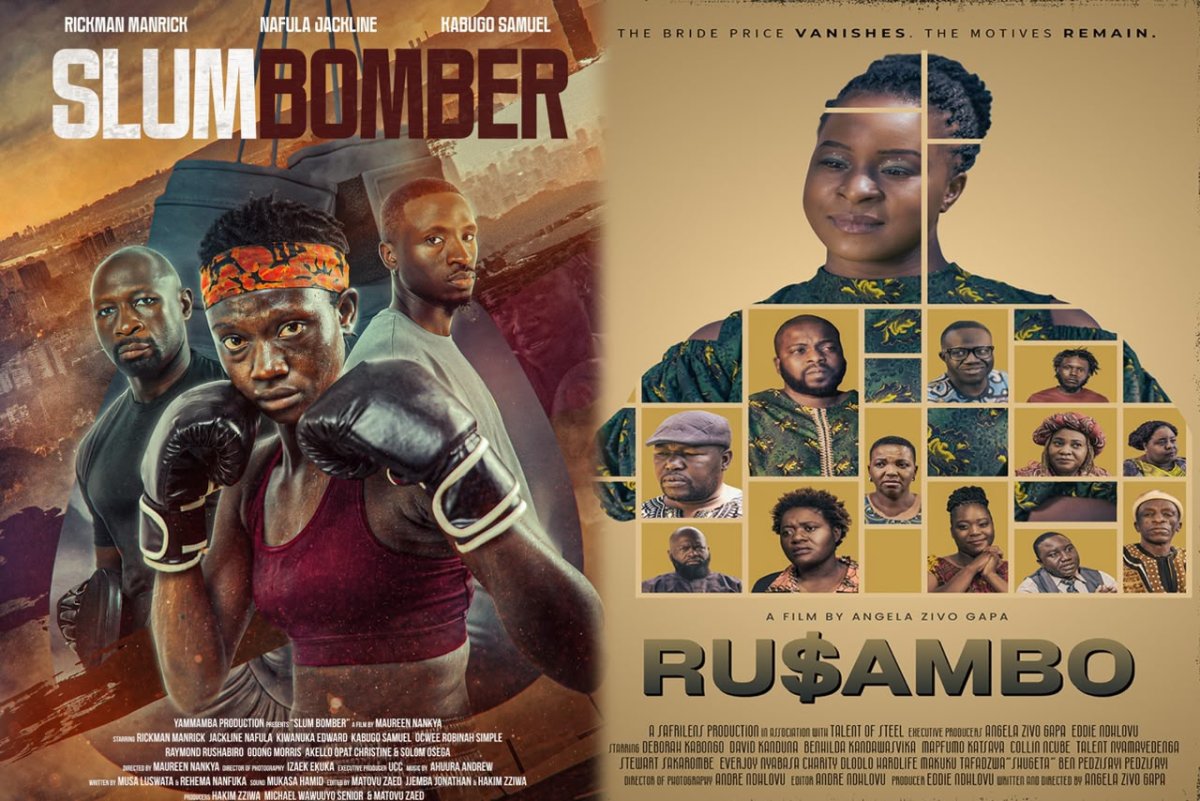
Among the featured productions was Slum Bomber by Ugandan filmmaker Maureen Jolly Nankya, inspired by the true story of Julie Aloyo, a boxer who helped transform women’s boxing in Uganda.
Zimbabwean filmmaker Angela Zivo Gapa’s Rusambo explores family dynamics and cultural expectations surrounding marriage through a lobola ceremony that takes an unexpected turn when the bride price goes missing.
In the Zambian short film Nobody’s Piece, director Jessie Chisi examines gender roles and cultural traditions through the seemingly simple act of a married woman eating a piece of chicken traditionally reserved for her husband.
Meanwhile, Kikuyu Land, co-directed by Bea Wangondu and Andrew H. Brown, follows a Kenyan journalist whose investigation into a petition against the British Crown and Kenya’s tea industry leads her to uncover hidden truths within her own family.
The programme also included a selection of four short films from the Brussels International Women Film Festival, extending the conversation beyond the African continent.
“These filmmakers do not only denounce violence: they show women who resist it, who speak, who fight and who imagine another future. They are a true example of resilience,” said Fabrizio Colombo, Artistic Director of the Mashariki African Film Festival.
Rwandan women filmmakers in the spotlight
The representation of women filmmakers at Mashariki extends beyond the dedicated November 25 programme.
On Friday, November 27, the festival’s Rwanda Focus programme will feature several productions directed or co-directed by Rwandan women, including:
- Kanyana by Justine Musabyeyezu
- Mandala by Charite Kayitsinga
- Stain by Nadine Iradukunda
- Umudugudu, co-directed by Janet Mutesi
- Ntirumera by Adeline Nyiransengimana
Their inclusion offers audiences an opportunity to discover the work of women contributing to the development of Rwandan cinema.
While conversations about women in cinema often focus on their representation on screen, equal attention deserves to be given to those working behind the camera. Who tells a story can influence how experiences are portrayed, which perspectives are explored and whose voices are heard.
By dedicating an entire day to women-directed productions while including their work throughout the festival, Mashariki creates space for audiences to engage with these different perspectives.
The 12th edition of the Mashariki African Film Festival runs until November 29, 2026, in Kigali.