
The Rip review: When trust crumbles, everyone becomes a suspect
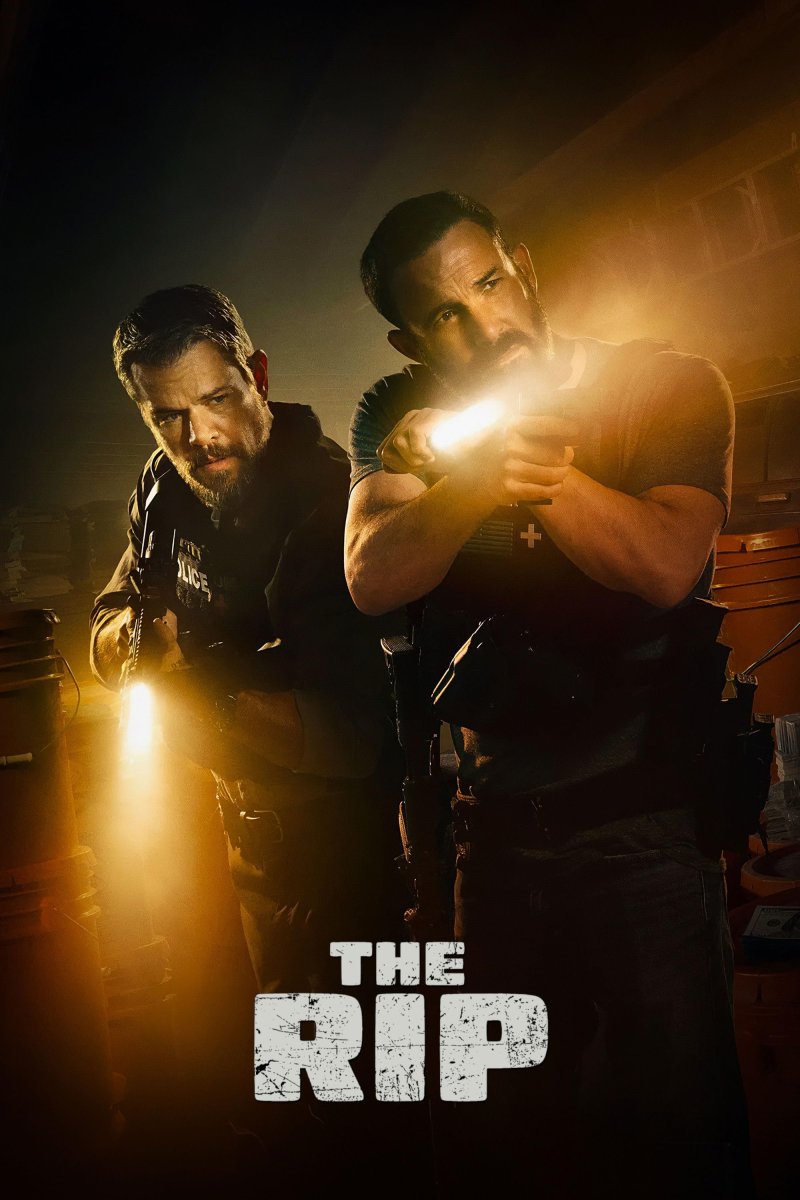
Inspired by true events, The Rip follows the Miami-Dade Police Department’s Tactical Narcotics Team (TNT) as they mourn the death of Captain Jackie Velez while trying to uncover the truth behind her murder. Directed by Joe Carnahan and starring Matt Damon, Ben Affleck, Steven Yeun, Teyana Taylor, Sasha Calle, Catalina Sandino Moreno, Scott Adkins, and Kyle Chandler, the film blends crime, mystery, and action into a story about loyalty, greed, and the consequences of corruption. Although some parts are clearly exaggerated compared to the true story, the film remains engaging from beginning to end, with its cinematography and performances standing out the most.
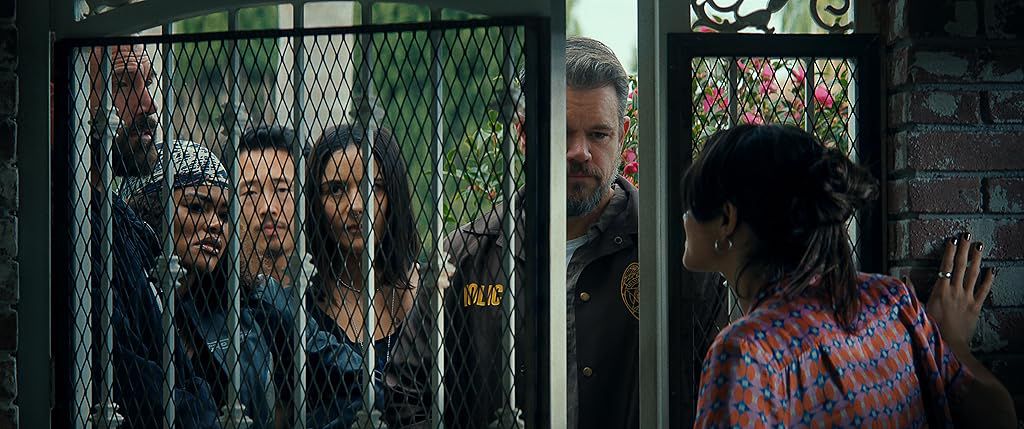
Cinematography
The film’s greatest strength is its cinematography. Cinematographer Juanmi Azpiroz revealed that one of his major inspirations was Charles Laughton’s The Night of the Hunter. Rather than recreating the film’s visual style directly, he drew from its use of light and shadow to guide the audience’s eye. The result is a noir-inspired visual language filled with silhouettes, deep shadows, and striking contrasts that constantly reinforce the uncertainty surrounding the characters.
One of the most interesting visual choices is the contrast between the interiors and exteriors. The indoor scenes are dark and filled with shadows, making the characters feel trapped within their circumstances. In contrast, the nighttime exteriors are surprisingly bright, creating the feeling that danger could emerge from anywhere. These choices do more than create a striking look; they reflect the emotional state of the characters and highlight the growing pressure surrounding them.
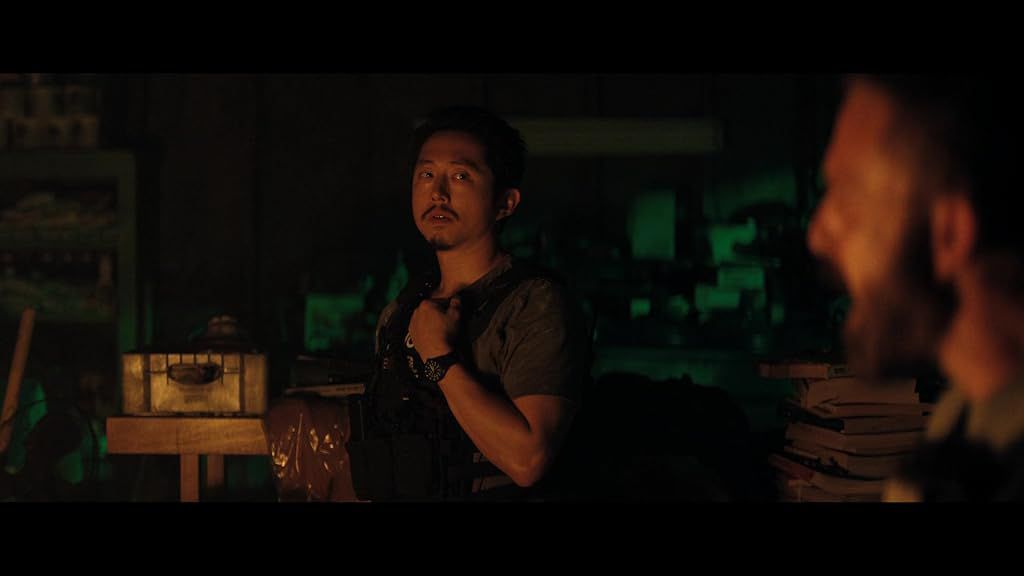
Close-up shots are used effectively throughout the story. By focusing on facial expressions, the camera allows us to feel the characters’ grief, fear, guilt, and doubt. Medium shots are equally important, often highlighting body language and subtle movements that hint at a character’s intentions before they speak. Wide shots are also used effectively to establish the film’s locations and atmosphere, giving us a better sense of the spaces the characters occupy and the isolation surrounding them. Whether it is a hand moving closer to a weapon, a silent reaction to a revelation, or a wide view of the neighborhood surrounding the stash house, the camera consistently guides our attention toward important details.
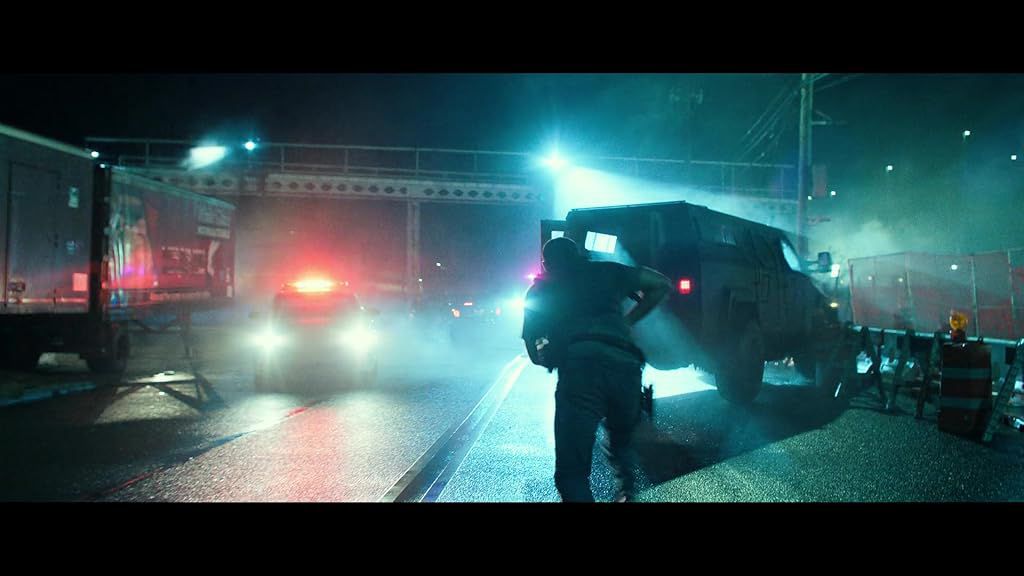
Another standout moment is the candlelit confrontation between Dane and Byrne. The scene feels intimate and natural, proving that sometimes simple lighting choices can be more effective than elaborate setups.
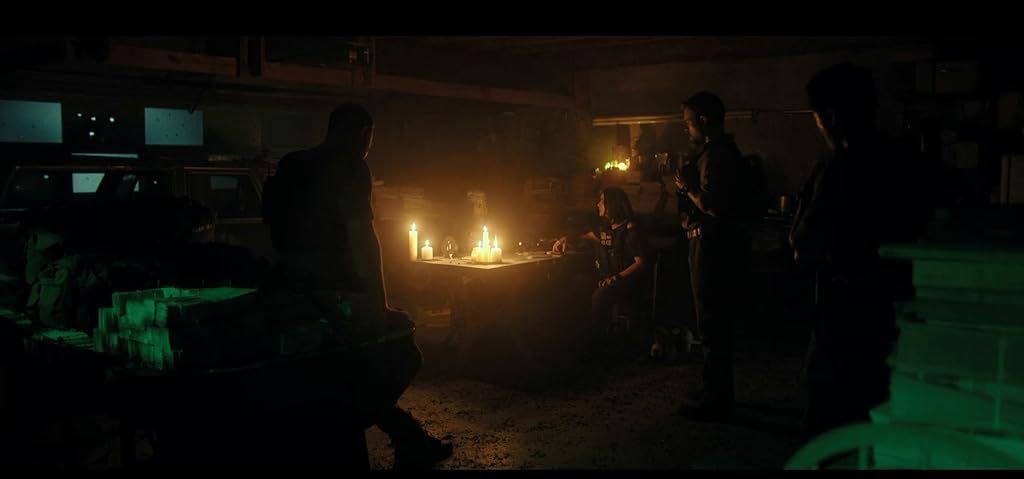
What impressed me most is how intentional the visual storytelling feels. Every lighting choice, shadow, and frame appears to serve a purpose, making The Rip one of the most visually engaging crime thrillers I have watched recently.
Production Design
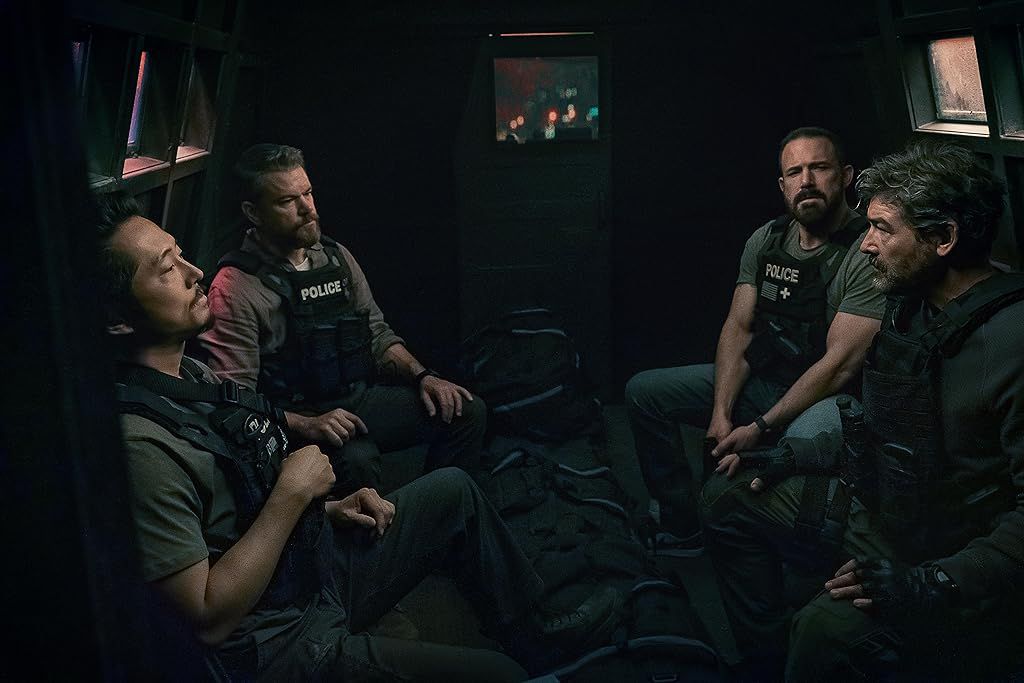
The production design plays a major role in building the film’s atmosphere. Locations such as the stash house, the garage where the money is counted, and the armored vehicle all contribute to the growing sense of pressure.
The stash house itself almost becomes a character. Once the team enters, the atmosphere changes completely. The officers are trapped together, surrounded by millions of dollars, while uncertainty waits outside. The longer they remain inside, the more the pressure builds, and the setting amplifies every disagreement and accusation.
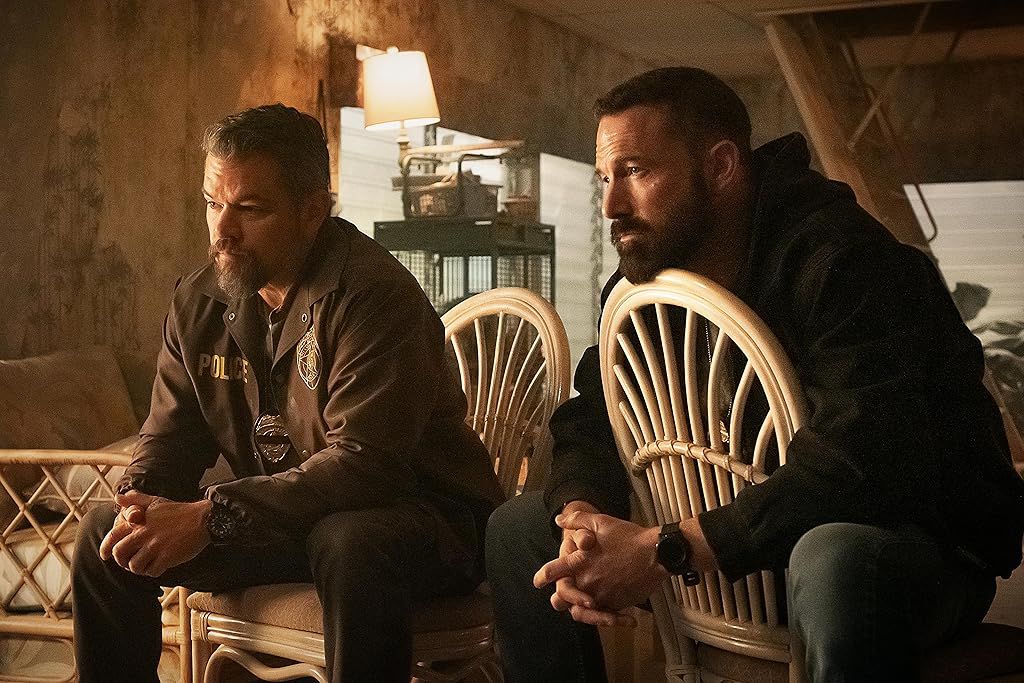
The makeup department deserves recognition as well. Details such as sweat, exhaustion, and injuries help sell the physical and emotional strain the characters are under. Lolo’s gunshot wound is particularly convincing, with the bleeding and physical effects looking realistic throughout the sequence.
Editing
One of the film’s strengths is its editing. Instead of depending on quick cuts and nonstop action, The Rip allows scenes to breathe and lets the pressure build naturally.
Despite this deliberate approach, I never found the film slow or boring. Even after multiple viewings, I remained engaged because there is always something happening beneath the surface. Whether through an uncomfortable silence, a suspicious glance, or a tense conversation, the film consistently keeps the audience invested.
Rather than relying on constant action, the film focuses on building suspense through conversations, uncertainty, and the growing distrust within the team, which I found more effective.

Sound
The sound design also plays an important role in maintaining suspense.
Dialogue remains clear throughout the film, even during chaotic sequences, allowing the audience to stay focused on both the story and the relationships between the characters. The gunfire carries enough weight to make the danger feel real without becoming distracting.
The phone calls are some of the film’s most effective uses of sound. Whenever the phone rings, conversations stop and the atmosphere immediately changes. The silence that follows creates unease because neither the characters nor the audience know what information or threat is coming next. These moments build suspense without relying on action and serve as a reminder that danger is never far away.
Silence is used just as effectively as dialogue. Some of the film’s strongest moments come during conversations where every pause, glance, and hesitation feels meaningful. These quieter scenes allow us to absorb the growing doubt within TNT and make the eventual confrontations even more impactful.
Performance
With a cast featuring names such as Matt Damon, Ben Affleck, Steven Yeun, and Teyana Taylor, strong performances were expected, but the film still manages to impress.
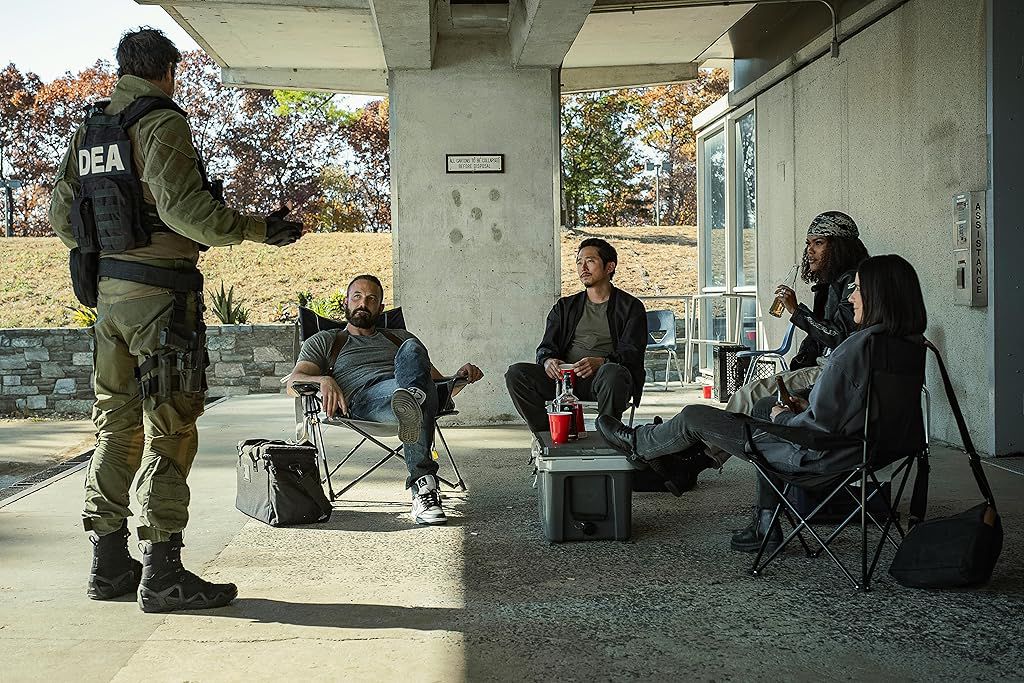
One of its greatest strengths is the chemistry among the members of TNT. They genuinely feel like officers who have worked together for years. Their interactions, conversations, and teamwork make them feel believable as a unit, which is essential because the story depends on that sense of brotherhood and trust.
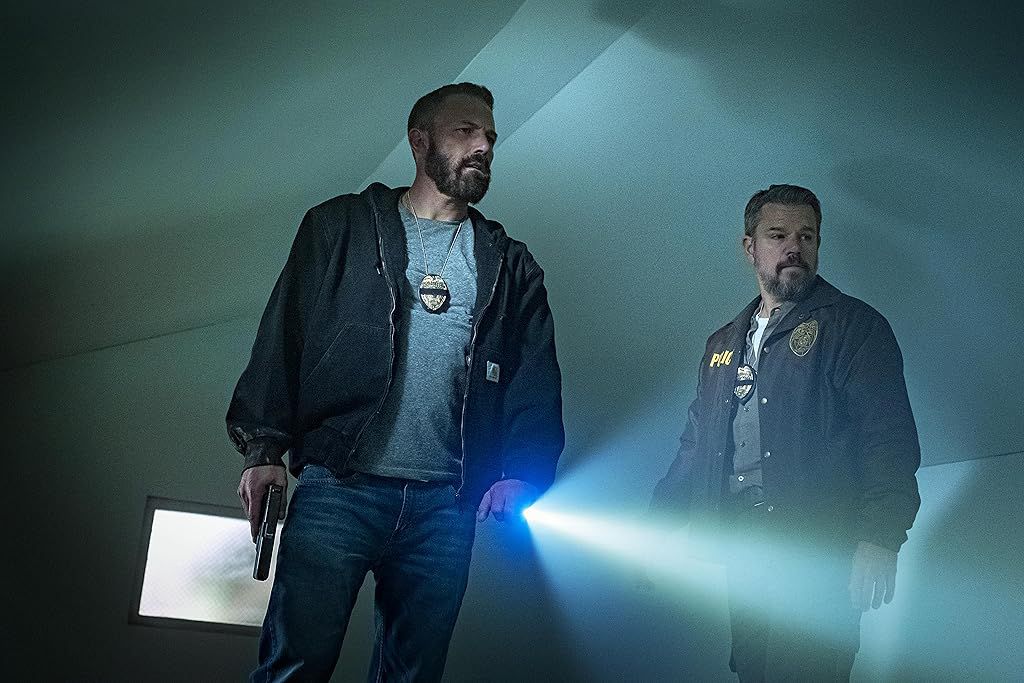
Matt Damon delivers one of the film’s strongest performances as Lieutenant Dane Dumars. Beyond portraying a capable officer, he convincingly captures a man struggling with grief following the loss of his son. Through subtle expressions and quiet moments, Damon communicates the weight of that loss without ever overplaying it. Some of the film’s most effective scenes involve Dane simply getting lost in thought, reminding us that beneath the badge is a grieving father.

Ben Affleck is equally impressive as J.D. Byrne. As Byrne begins to suspect that Dane may be hiding something, Affleck effectively portrays a man torn between loyalty to his friend and the possibility that his friend may have betrayed the team. His emotional outbursts feel genuine, while his concern for Dane remains believable even during moments of conflict.
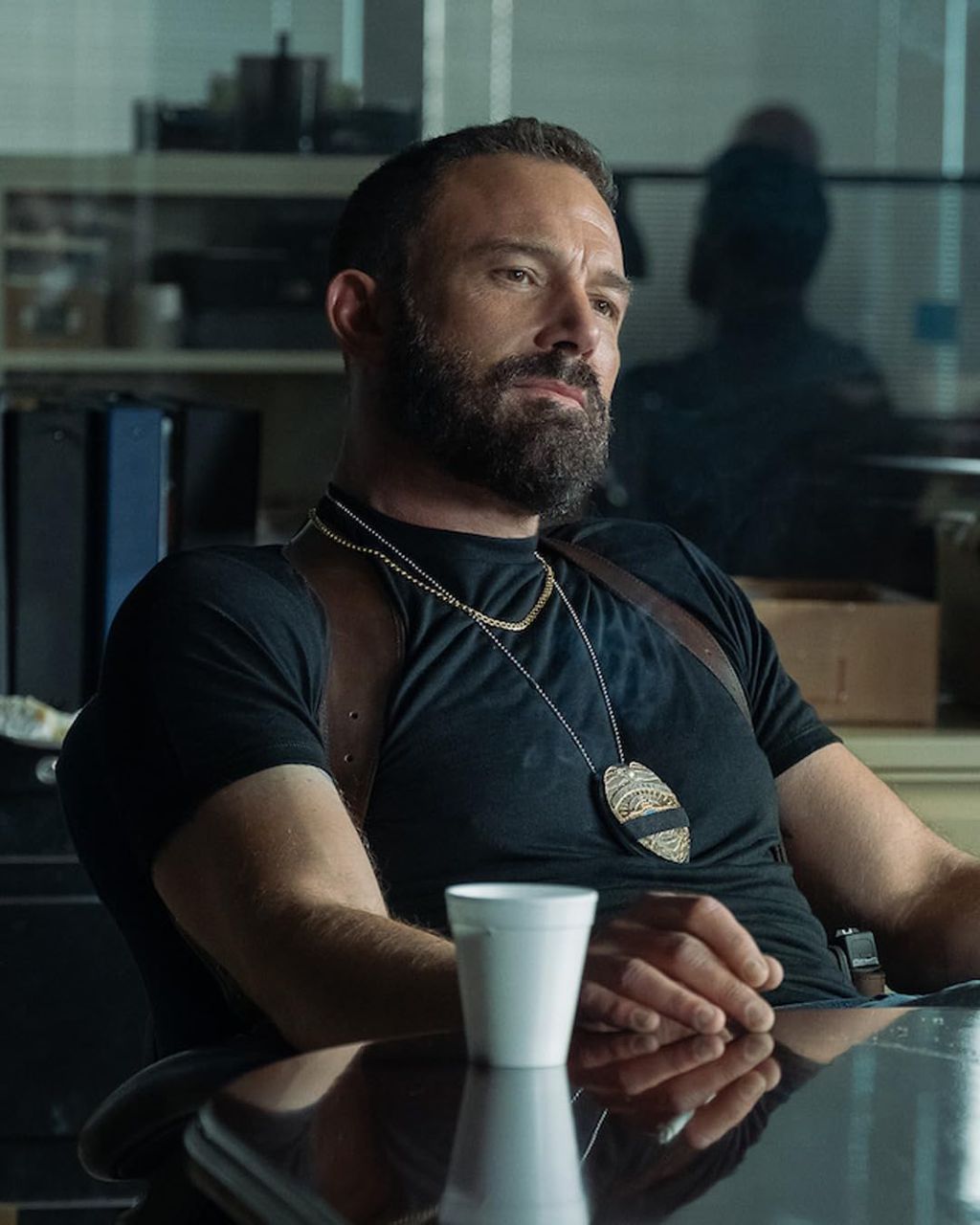
Together, Damon and Affleck share the strongest chemistry in the film. They complement each other naturally, making their friendship feel authentic and adding emotional weight to every confrontation.
The supporting cast is equally strong and helps make TNT feel like a believable unit. Their performances strengthen the group’s dynamic and make the conflicts that emerge later in the story more impactful.
Themes
While The Rip is marketed as a crime thriller, I found its exploration of loyalty to be its most interesting aspect.
Corruption drives the plot, but loyalty is what the story constantly tests. At the beginning, TNT feels united by friendship, trust, and a shared purpose. However, everything changes once money enters the equation.
The discovery of millions of dollars does more than move the story forward; it introduces temptation.
Before the money is found, the officers are a team. Afterward, they become potential suspects.

One aspect I particularly appreciated was how the film gradually reveals Dane’s plan. What initially appears to be questionable decision-making becomes more understandable as we learn he is attempting to expose those responsible for Jackie’s death. Details such as him giving different figures to different members of the team become important pieces of a larger strategy.
As the investigation progresses, the money exposes cracks within the team and fuels the conflict that drives the story forward.
True Story vs. Fiction
Although The Rip is inspired by real events, it takes significant creative liberties.
The real incident involved Miami-Dade officers discovering approximately $24 million hidden inside a house and spending 42 hours counting the money according to department procedures. There were no dramatic shootouts, no corrupt detectives stealing the money, and no violent conspiracy surrounding the discovery.
However, I did not mind these changes. Watching officers count money for 42 hours might have been accurate, but it would not have made for a particularly engaging thriller.
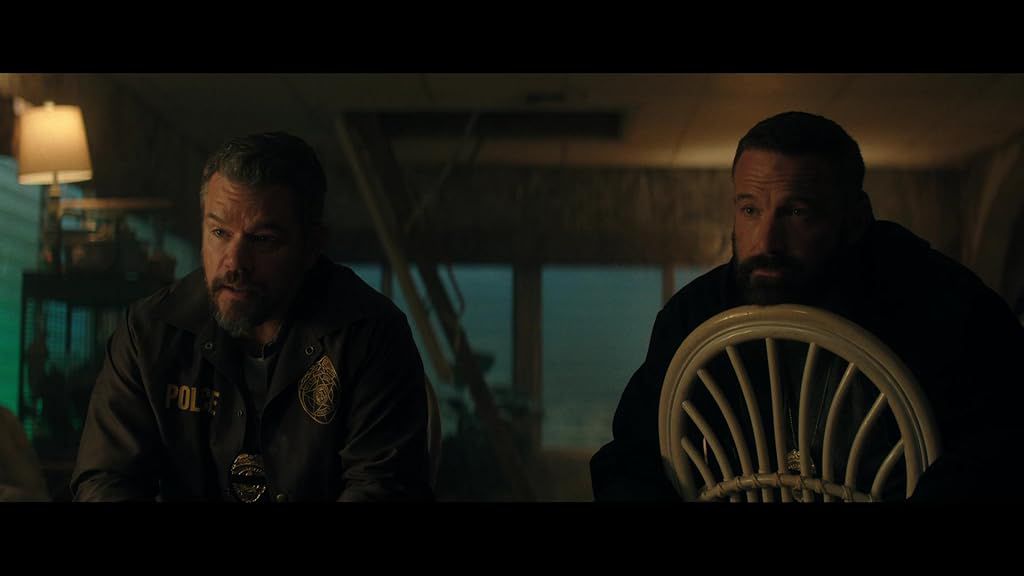
By fictionalizing parts of the story, Joe Carnahan creates a narrative that is both entertaining and thematically rich. More importantly, the exaggerated elements allow the film to explore ideas about greed, corruption, loyalty, and betrayal. While the events may not be entirely accurate, the emotions and themes remain effective.
The emotional core of Dane’s grief is also rooted in reality, serving as a tribute to Chris Casiano’s son, Jake William Casiano, who passed away from leukemia in 2021. This helps ground the film emotionally despite its more dramatic additions.
Criticisms
The Rip is not without flaws.
While the mystery remains engaging, some developments feel a little too convenient. One example comes during the stash house search, when the officers discover a wire running from a wall in the upper part of the house and quickly follow it to uncover something significant. While their curiosity makes sense, the speed with which they arrive at the discovery feels slightly forced.
The film occasionally takes similar shortcuts elsewhere, and some clues seem to point toward the eventual culprits earlier than intended. At times, it feels as though the story is prioritizing suspense and momentum over complete realism.
These issues never seriously undermine the experience, but they are noticeable enough to prevent the film from reaching its full potential.
The Rip is not a perfect film, and it certainly takes creative liberties with the true story that inspired it. However, those changes help create an engaging thriller while still delivering a meaningful message about greed, corruption, loyalty, and betrayal.
What stood out to me most was the cinematography, the chemistry among the cast, and the performances, particularly from Matt Damon and Ben Affleck. The film does an excellent job of showing how quickly greed and money can divide even the strongest team, and that idea remains effective throughout.
Despite a few convenient plot developments, The Rip kept me invested from beginning to end. If you are looking for a crime thriller with strong performances, impressive visual storytelling, and a story that goes beyond action to explore trust, temptation, and betrayal, The Rip is worth watching.