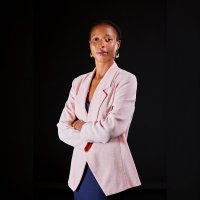
SERUGENDO(Karemera Philemon): The story of refusing to quit

Philemon Karemera’s journey is not about luck or shortcuts. It is about knowing what you want early, losing your way more than once, and still choosing not to quit. While many people dream, few are willing to endure the detours. Philemon did—and today, he is living the life he once only imagined.
Widely known as SERUGENDO, Philemon Karemera is a Rwandan actor, sound recordist, and grip. His place in the film industry did not come easily. Before cameras, scripts, and national television, there were wedding videos, internships, and long periods of doubt. But every step, even the ones that felt far from his dream, quietly prepared him for where he is now.

Philemon was born in Gisagara District in Rwanda’s Southern Province. As a child, he lived in a village with more girls than boys, yet he naturally took on leadership roles. Even at five years old, he was already creating stories and organizing others around him.
“Every evening we played, but I always suggested theatre. I created the stories myself. I even acted as a village leader solving people’s problems.”
Later, when he moved to a different community filled with older boys, convincing them was harder—but he succeeded.
“At first it wasn’t easy, but I managed to make them love it.”
Acting was never something he discovered later in life—it had always been part of him. In secondary school, he continued performing in theatre and slowly became certain that acting was not just a hobby, but his future.
Everything became clearer in Senior Five when he met young filmmaker Hervé Ntwari, who was recruiting actors for a film called Kuzo. Hervé introduced them to scripts, character work, and the discipline of acting. When filming began, Philemon felt something shift.
“That’s when I felt like my dream had finally started. I wanted to be like Gratien Niyitegeka, Papa Sava—he has always been my role model.”

In 2019, Philemon completed secondary school and moved to Kigali to continue his studies. Earlier, he had told his uncle about his desire to pursue acting, but the response was cautious. His uncle believed education should come first.
Instead of acting, Philemon was taken to KFTV, where he studied videography and editing.
“I felt like I was being taken far from what I really wanted.”
After completing the training, he interned at Afrifame Pictures, editing wedding videos. From the outside, it looked like progress. Inside, it felt like drifting away from his dream.
“That’s when I felt like I was really losing touch with acting.”
During an advertisement shoot, Philemon met Papa Sava for the first time. For him, that moment carried more meaning than words could express.
"In that moment, I felt complete. A dream I’d held for years had finally come true.”

That encounter reignited something he had tried to silence. He returned to his uncle and spoke honestly—this time without hesitation. In 2020, his uncle finally agreed to support him.
That same year, filming for Indoto began. Because of his technical background, Philemon joined as an intern and worked as a runner.
“For the first time, I felt like I was where I belonged.”
As weeks passed, he gathered the courage to speak to Director Israel Dusabe, repeatedly reminding him that he could act. When a small role became available, Philemon didn’t wait to be called—he asked for it.
Director Israel agreed, but with one condition: if he failed, he would be replaced.
That night, sleep didn’t come easily.
“I was excited, but scared. This was national TV. If I failed, that might be the end.”
When filming started, he didn’t perform well at first. For a moment, everything he feared felt real. Then Director Israel gave him another chance.
“I tried again. I did better. I became the character he wanted. That’s how I joined cinema.”

After that breakthrough, Director Israel gave him advice that changed his career path: acting alone was not enough. He needed technical skills too.
Philemon approached Valens Habarugira, who agreed to teach him sound recording and grip. Learning came quickly—not because it was easy, but because Philemon was fully committed.
Today, he is known not only as an actor, but also as a dependable sound recordist and grip. In 2025, he was nominated as Best Sound Engineer at the Mashariki African Film Festival, a recognition of his skill and dedication.
“I can proudly say I’m a sound recordist people enjoy working with.”
His first major project, Indoto, introduced him to the industry. Other projects—Shuwadilu, Seburikoko, and What a Day—proved his consistency and growth.
“These films showed people that I can really do what I do. I worked with legends.”
Philemon admits the journey wasn’t smooth. Learning equipment, adapting to set culture, and working with senior professionals were all challenging. But he learned to blend in, observe, and grow.
When asked about roles he enjoys most, he smiled.
“Roles with misunderstandings—conflict, tension, playing hard to get. They come naturally.”

One of the most valuable lessons acting taught him was learning to communicate without words.
“Letting emotions speak—that’s powerful.”
His choice to focus on sound came from a deep understanding of film itself.
“Film is sound. Without it, the message is incomplete.”

He believes many filmmakers prioritize visuals while neglecting sound, weakening their films in the process.
Currently working on Seburikoko, one of Rwanda’s most beloved TV series, Philemon believes the Rwandan cinema industry is evolving and finally receiving recognition.
When asked about future roles, he said he would love to play a husband or a man in a relationship—roles rooted in real human experience. His dream project remains Papa Sava, produced by his lifelong role model, Gratien Niyitegeka.
His advice to aspiring actors is honest:
“If you’re expecting quick money, forget it. Without passion, you won’t survive.”
Balancing acting, sound, and grip doesn’t overwhelm him because he loves what he does—and because he learned that growth often requires more than one skill.
Philemon closed by thanking Nelly Wilson Misago, founder and CEO of ZACU Entertainment for giving him and his colleagues a job that help them earn skills and income.
He also thanked director Israel Dusabe, and Valens Habarugira for believing in him and opening doors.
Philemon Karemera’s story is not just about talent. It is about persistence—about staying close to your dream even when life keeps pulling you away from it. He didn’t avoid failure. He walked through it, learned from it, and kept going. And that is how dreams stop being wishes and start becoming lives.