
Rwandan Films Are Winning Abroad. Why Aren’t We Seeing More of Them at Home?

Some people still dismiss Rwandan films as not being good enough. But spend time looking at where Rwandan filmmakers have taken their work, and that argument becomes difficult to defend.
Films made by Rwandans have premiered at Cannes and Berlin, competed at major international festivals, won awards at FESPACO, Oberhausen and Locarno, and reached cinemas, museums and art spaces around the world.
The problem is that many of these films are not easily accessible to audiences in Rwanda. So when people say there are no good Rwandan films, they may not have had the chance to see many of the films that have been recognised abroad and judge them for themselves.
Here are some of the films that have made their mark internationally.
Grey Matter (Matière Grise) — Kivu Ruhorahoza
Kivu Ruhorahoza’s Grey Matter was among the early Rwandan features to gain attention on the international festival circuit.
The film had its world premiere at the 2011 Tribeca Film Festival, where it competed in the World Narrative Competition. Ruhorahoza received a Jury Special Mention, while lead actor Ramadhan “Shami” Bizimana won Best Actor in a Narrative Feature.

The film went on to screen at festivals including Warsaw, Fribourg and Rotterdam. Its festival run also brought further recognition, including the Grand Prize at the Tübingen French Film Festival, Best Director and the SIGNIS Award at the Córdoba African Film Festival, and a Special Jury Prize at the Khouribga African Film Festival.
Its reach was not limited to film festivals. Ruhorahoza’s work was also presented at Tate Modern in London and the Museum of Modern Art (MoMA) in New York.
Grey Matter was an early example of a Rwandan feature entering international cinema spaces and receiving recognition alongside films from established filmmaking countries.
Imbabazi: The Pardon — Joël Karekezi
Joël Karekezi’s Imbabazi: The Pardon is another important chapter in the early international journey of Rwandan feature cinema.
The film follows two friends whose lives are shaped by the 1994 Genocide against the Tutsi and the difficult question of forgiveness. It was expanded from Karekezi’s 2009 short of the same name.
It premiered at the Göteborg International Film Festival and later screened at festivals including Seattle, the Pan African Film Festival, FESPACO, Chicago, Hamburg and Fribourg.
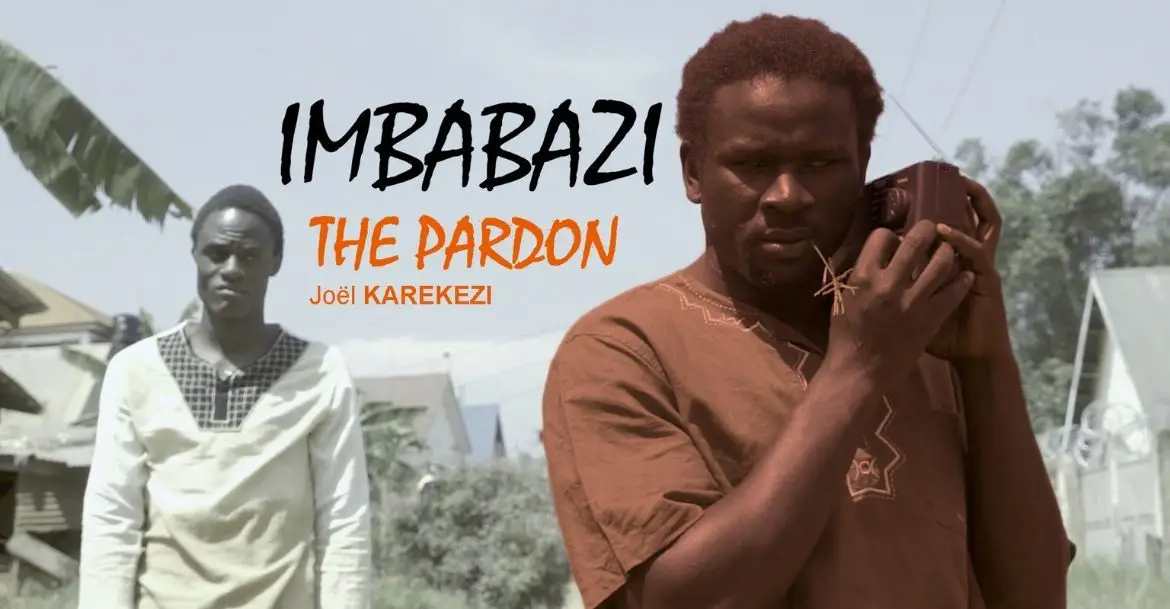
The film won the Grand Nile Prize at the Luxor African Film Festival, as well as Best Director at the International Images Film Festival for Women and other recognition.
Karekezi’s work also earned him a place in Cannes’ La Fabrique des Cinémas du Monde, where he developed his next project.
Imbabazi showed that a Rwandan story could travel internationally, compete at major festivals and create further opportunities for its filmmaker.
Mugabo — Amelia Umuhire
Amelia Umuhire’s Mugabo takes the story of Rwandan filmmaking beyond the country’s borders in another way.
The experimental short follows a man returning to Rwanda after years in the diaspora. Rather than telling a conventional story of returning home, Umuhire uses fragments, images and atmosphere to explore questions of identity, belonging and the complicated relationship between a person and the place they come from.
The film had its international premiere at the International Film Festival Rotterdam, where it screened as part of the Pan-African Cinema Today programme.
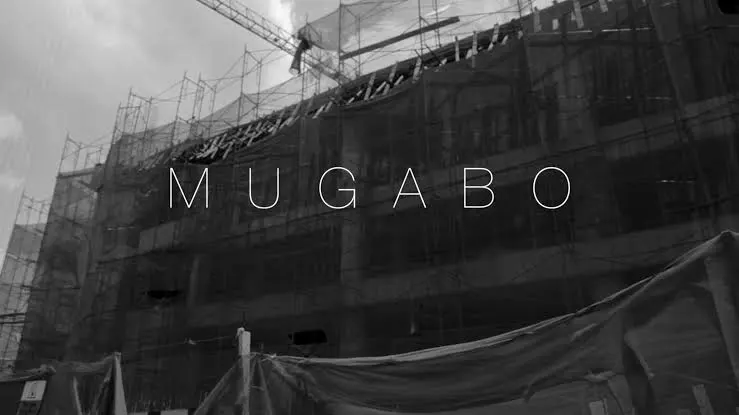
Its journey continued beyond conventional film festivals. Mugabo was presented at institutions and art platforms including the Berlin Biennale, the Museum of Contemporary Art Chicago and MOCA Los Angeles, where it was included in the Black Radical Imagination programme.
That journey placed a Rwandan film within both international cinema and contemporary-art spaces. Umuhire’s work showed that Rwandan stories could also be told through experimental forms and reach audiences far beyond the traditional festival circuit.
Imfura — Samuel Ishimwe
Samuel Ishimwe’s Imfura follows Gisa, a man who returns to his late mother’s village and becomes caught in a dispute over the ruins of her former home. The film combines narrative and documentary elements to explore memory, family and the lasting effects of Rwanda’s past.
Its breakthrough came at the 2018 Berlinale, where it became the first Rwandan film selected for the official Berlinale Shorts competition.
Ishimwe then won the Silver Bear Jury Prize for Short Film, making him the first Rwandan filmmaker to receive a Bear at Berlin.
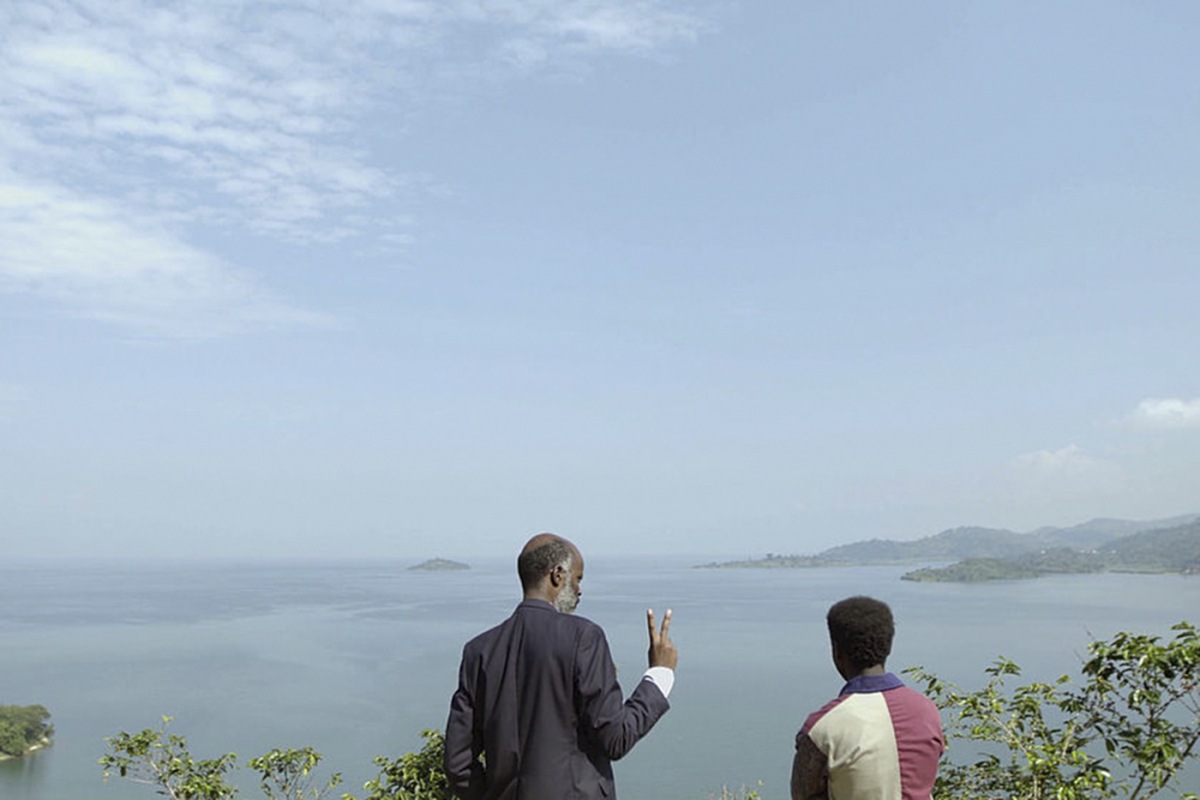
The film travelled to festivals including Palm Springs International ShortFest, Raindance, DokuFest, Zanzibar International Film Festival, Stockholm, Reykjavík, Montreal Black Film Festival and the Festival International du Film Francophone de Namur.
At Palm Springs, Ishimwe also received the Alexis Award for Best Emerging Student Filmmaker.
The success of Imfura continued into Ishimwe’s feature-film work. He was later selected for the Cinéfondation’s The Residents programme at Cannes for his project Ikimanuka (Seasons of the Weary Kind). The film went into production at the end of last year and is currently in post-production.
A Rwandan short had reached Berlin, returned with one of the festival’s major prizes, and opened further doors for its filmmaker.
I Got My Things and Left — Philbert Aimé Mbabazi Sharangabo
Philbert Aimé Mbabazi Sharangabo’s I Got My Things and Left follows a group of artistic friends gathered for a wake in Kigali after the sudden death of Eric. His death leads them to reflect on life, destiny and the pressure to conform.
The 22-minute narrative travelled to more than 50 festivals, including Rotterdam, Locarno, Durban, DokuFest, IndieLisboa, Visions du Réel, Tampere, Uppsala, Go Short Nijmegen, Prague Short Film Festival and FIFF Namur.
Its defining achievement came at Oberhausen, where it won the festival’s Grand Prix. It also received the Best Short Film Award at the Prague Short Film Festival.
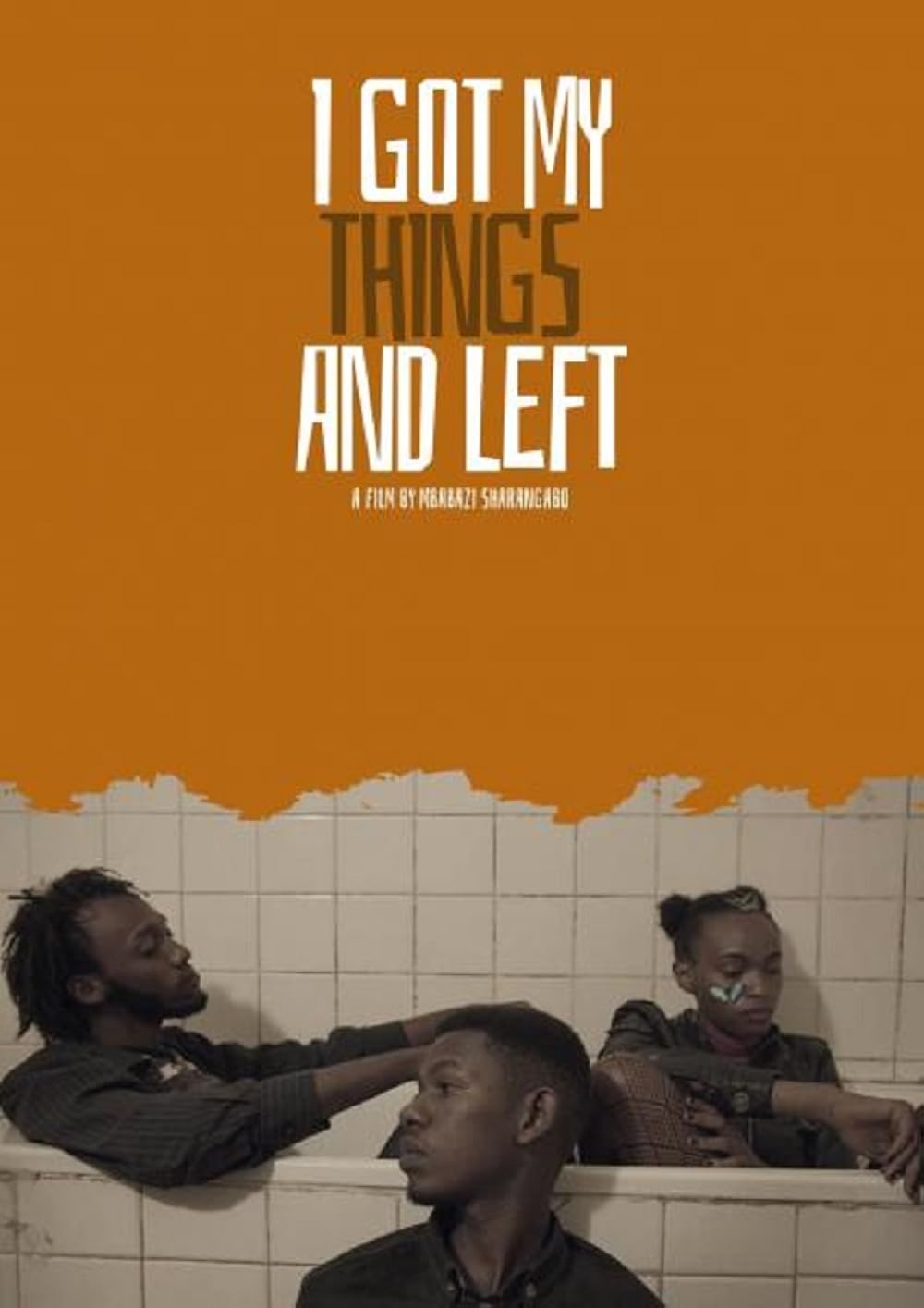
The film’s success brought further international opportunities for Sharangabo, including selection for the Locarno Filmmakers Academy. Oberhausen later presented a programme dedicated to his work.
Its extensive festival journey and Grand Prix at Oberhausen made I Got My Things and Left one of the Rwandan short films to make a particularly strong mark on the international circuit.
La Mazda Jaune et Sa Sainteté — Sandra Muteteri Heremans
Sandra Muteteri Heremans brings another perspective from the Rwandan diaspora through La Mazda Jaune et Sa Sainteté.
The film uses family photographs and archival material to explore Heremans’ Rwandan-Belgian background, memory and the legacy of colonial history. Rather than presenting these questions through a conventional documentary structure, she builds an essay film from fragments of family history.
The film had its world premiere at the International Film Festival Rotterdam and later screened at DOK Leipzig, Ann Arbor Film Festival, Fribourg and Afrika Filmfestival.
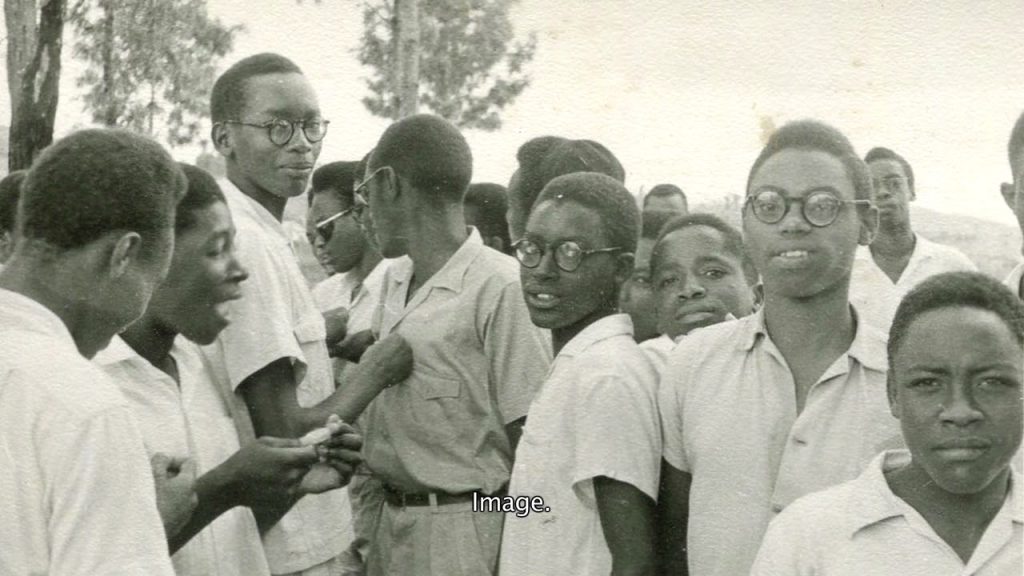
Its life also extended into the contemporary-art world, with presentations at the Biennale de Lubumbashi and Beursschouwburg. Heremans was also selected for a residency at WIELS Contemporary Art Centre in Brussels.
Her journey complicates the idea of where Rwandan filmmaking is made. It does not stop at Rwanda’s borders; filmmakers in the diaspora are also contributing to how the country, its history and its identity are represented internationally.
The Mercy of the Jungle — Joël Karekezi
Joël Karekezi’s The Mercy of the Jungle became one of the biggest international successes in Rwandan cinema.
The anti-war drama follows two Rwandan soldiers who become separated from their unit and are left to survive in the Congolese jungle during the Second Congo War.
The film premiered at the Toronto International Film Festival before travelling to festivals including Chicago, Namur, the Pan African Film Festival, Khouribga, Milano and FESPACO.
Its international run produced a substantial list of awards. At the Chicago International Film Festival, The Mercy of the Jungle won the Silver Hugo in the New Directors Competition and was also nominated for the Gold Hugo. It later won the Digital Award at the Milan Film Festival.
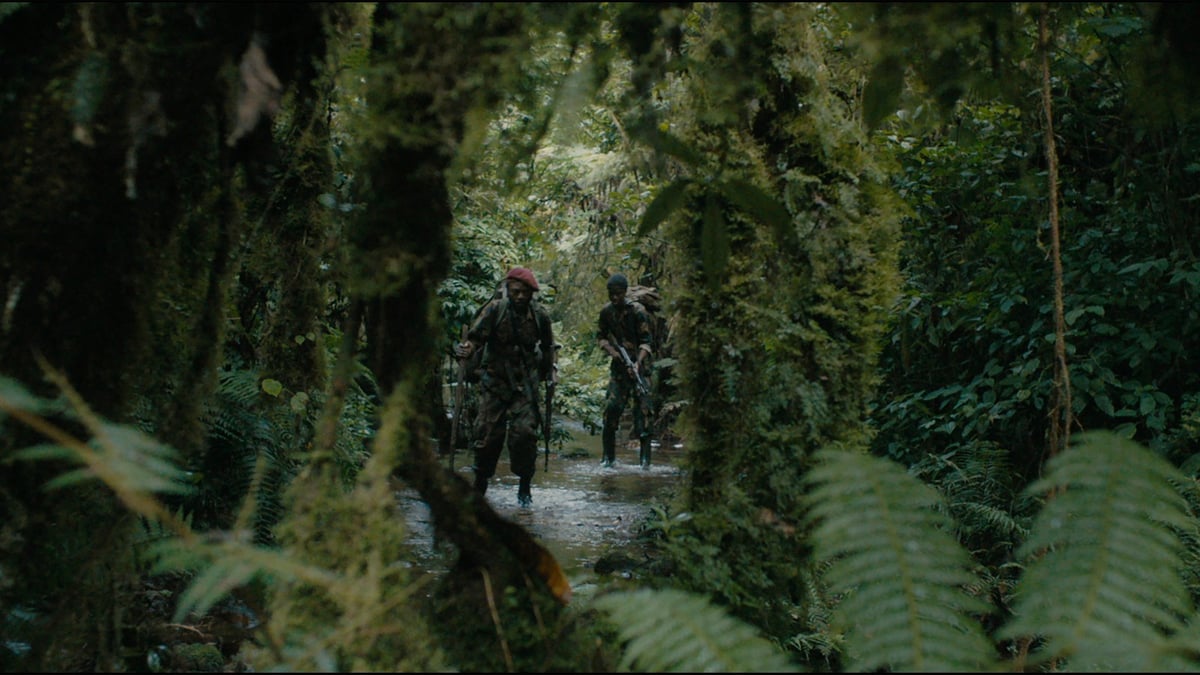
At FESPACO, the film won the Grand Prize – Étalon de Yennenga, the festival’s highest prize. Marc Zinga also won Best Actor.
The film had an equally strong showing at the Africa Movie Academy Awards, where it won Best Film, Best Actor in a Leading Role for Marc Zinga, Best Costume Design and Best Makeup, while Karekezi was nominated for Best Director. The film was also nominated for the Tanit d’Or at the Carthage Film Festival and for Best Actor at Belgium’s Magritte Awards.
Its awards run continued beyond Africa. It later won the Audience Award for Best Film at World Cinema Amsterdam.
The project had already travelled through international development platforms before becoming a finished film. Its screenplay won the CFI Award for Most Promising Audiovisual Project at Durban FilmMart, followed by selections for La Fabrique des Cinémas du Monde at Cannes and the Open Doors co-production lab at Locarno.
From an early screenplay to the Étalon de Yennenga, The Mercy of the Jungle became one of the clearest examples of how far a Rwandan feature could travel.
Ethereality — Kantarama Gahigiri
Kantarama Gahigiri’s Ethereality is a 14-minute short that uses a science-fiction metaphor to explore migration, displacement and the search for belonging.
The film imagines what it feels like to return home after being stranded in space for 30 years. The distance travelled through space becomes a way of thinking about the emotional distance that can develop between migrants and the places they once called home.
Created as part of the 5x5x5 project, in which five African filmmakers produced short films over five weeks, Ethereality went on to build an extensive international festival run.
It had its world premiere at the Internationale Kurzfilmtage Winterthur in Switzerland and later screened at festivals including Clermont-Ferrand, Chicago International Film Festival, Dresden Film Festival, FIFF Namur, Hamburg International Short Film Festival, La Guarimba and Uşak.
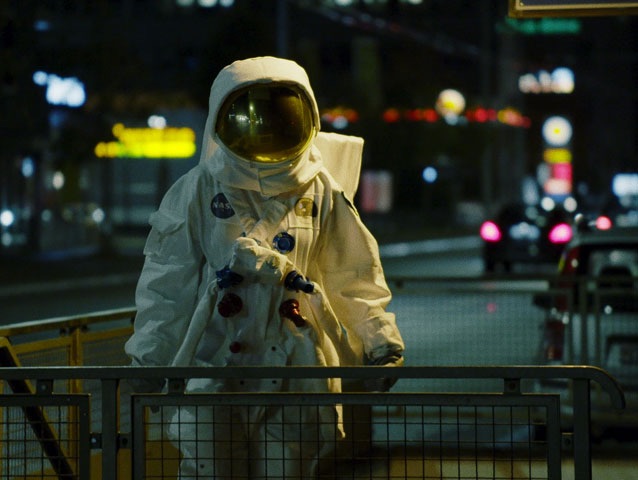
The film received several nominations, including at the Chicago International Film Festival, where it was nominated for the Gold Hugo for Best Documentary Short. It was also nominated for Best Short Film at Dresden, Namur, Hamburg and Bolton, as well as Best Documentary at La Guarimba.
Its awards record was equally notable. At this human world film festival in Vienna, Gahigiri won the Jury Prize in the EXP:AN:DED section. The film also won Best Short Film at Arica Nativa and the Avant-Garde Award at the Mashariki African Film Festival.
Its biggest African festival recognition came at FESPACO, where Ethereality won the Poulain d’Or for Best Short Film – Documentary.
Gahigiri also received an Outstanding Female Content Creator Award from New York Women in Film & Television.
By combining documentary, poetry and science-fiction imagery, Ethereality found an unusual way to approach migration and belonging. Its festival run placed Gahigiri’s work within both African and international conversations around experimental short filmmaking.
A Taste of Our Land — Yuhi Amuli
Yuhi Amuli’s A Taste of Our Land brought a different kind of story to Rwandan feature filmmaking.
The darkly comic thriller is set in an unnamed African country, where an older man discovers a huge gold nugget in a mine operated by a Chinese company on land that once belonged to him. Through the story, Amuli explores greed, capitalism, foreign exploitation and the relationship between local communities and powerful economic interests.
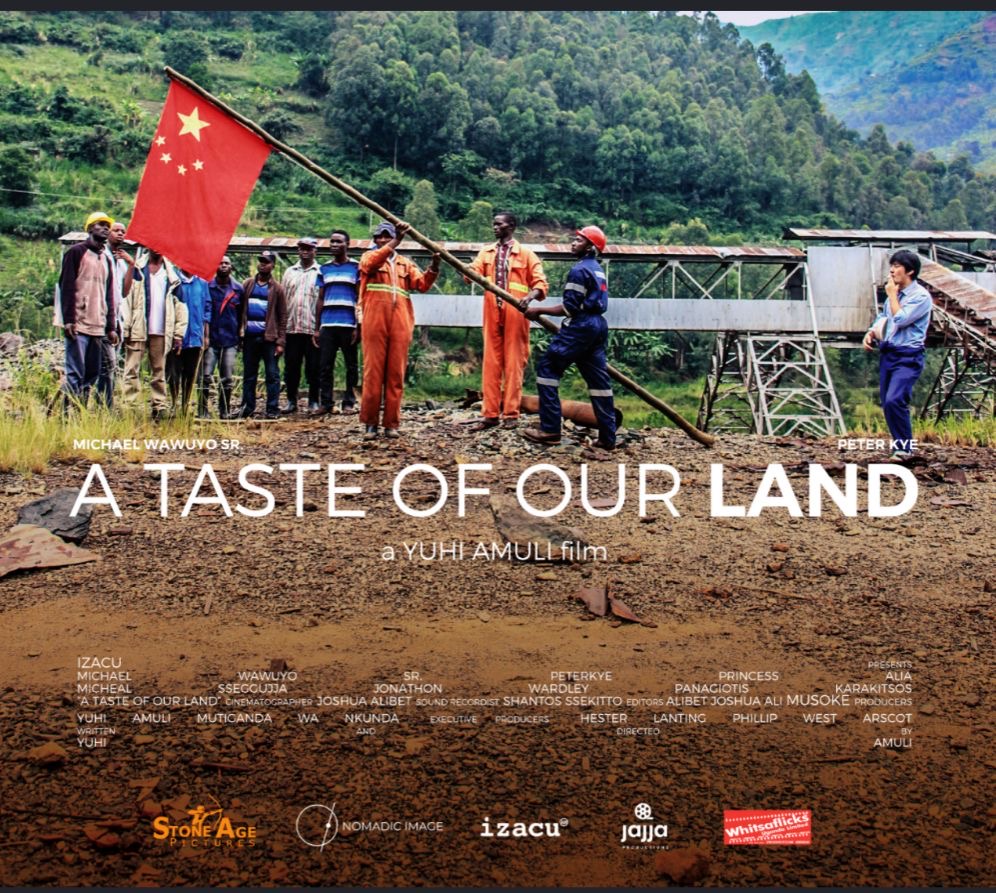
The film premiered at the Pan African Film Festival in Los Angeles and later screened at festivals including the African Diaspora International Film Festival and the Festival du Cinéma Africain de Khouribga.
It won Best First Feature Narrative at PAFF and Best First Feature by a Director at the Africa Movie Academy Awards. Lead actor Michael Wawuyo Sr. also received Best Male Performance at the Khouribga African Film Festival.
The film showed that a Rwandan filmmaker could make a feature with a distinct political and social perspective and have it recognised among first features on the international circuit.
Breaking Ground — Inès Girihirwe
Inès Girihirwe’s Breaking Ground is a 13-minute drama about domestic abuse, isolation and the decision to reclaim one’s identity through solidarity.
The film follows Anna, a woman trapped in an abusive relationship who finds the courage to break out of her isolation with the support of other women.
It was developed through the Power in Constraints workshop led by Samuel Ishimwe and Philbert Aimé Mbabazi Sharangabo.

Despite being made during a period when the COVID-19 pandemic disrupted film distribution, Breaking Ground reached festivals in the United States, Europe and Africa. It received its international premiere at AFI FEST and later screened at Encounters Film Festival, Film Fest Gent, Zanzibar International Film Festival and AFRIFF.
At the Zanzibar International Film Festival, the film won the Ousmane Sembène Award. It also won the Uppsala Award in Memory of Ingmar Bergman at the Uppsala Short Film Festival.
Sensory Overload — Ganza Moise
Ganza Moise’s Sensory Overload takes a very different approach to storytelling.
Sitting on a bus after a long day, a mother drifts away from reality through a series of existential experiences. Images of hair braided in dreadlocks, a ritual mask drowning in sunlight and a smoking cigarette become companions as she moves through the labyrinth of her mind.
The film uses these images alongside a poem by Natacha Muzira, whose words are heard off-screen. Rather than relying on conventional dialogue or straightforward storytelling, Sensory Overload blurs space, time and form, allowing poetry and visual imagery to drive the experience.

In a country with a strong oral tradition, the spoken word becomes part of the film’s cinematic language.
The film reached the International Short Film Festival Oberhausen in Germany, where it received an Honorable Mention in the International Competition.
Its recognition at Oberhausen showed that Rwandan short films could enter international experimental cinema spaces through approaches built around poetry, sound, image and imagination.
Imuhira (Home) — Myriam Uwiragiye Birara
Before The Bride brought Myriam Uwiragiye Birara’s feature filmmaking to Berlin, Imuhira (Home) had already taken her short film work to an international festival audience.
The 12-minute Kinyarwanda-language drama follows a woman who flees an abusive marriage and returns to her village, where she is confronted by family expectations and social pressure.
The film had its world premiere at the Locarno International Film Festival, where it screened in the competitive Pardi di Domani section.
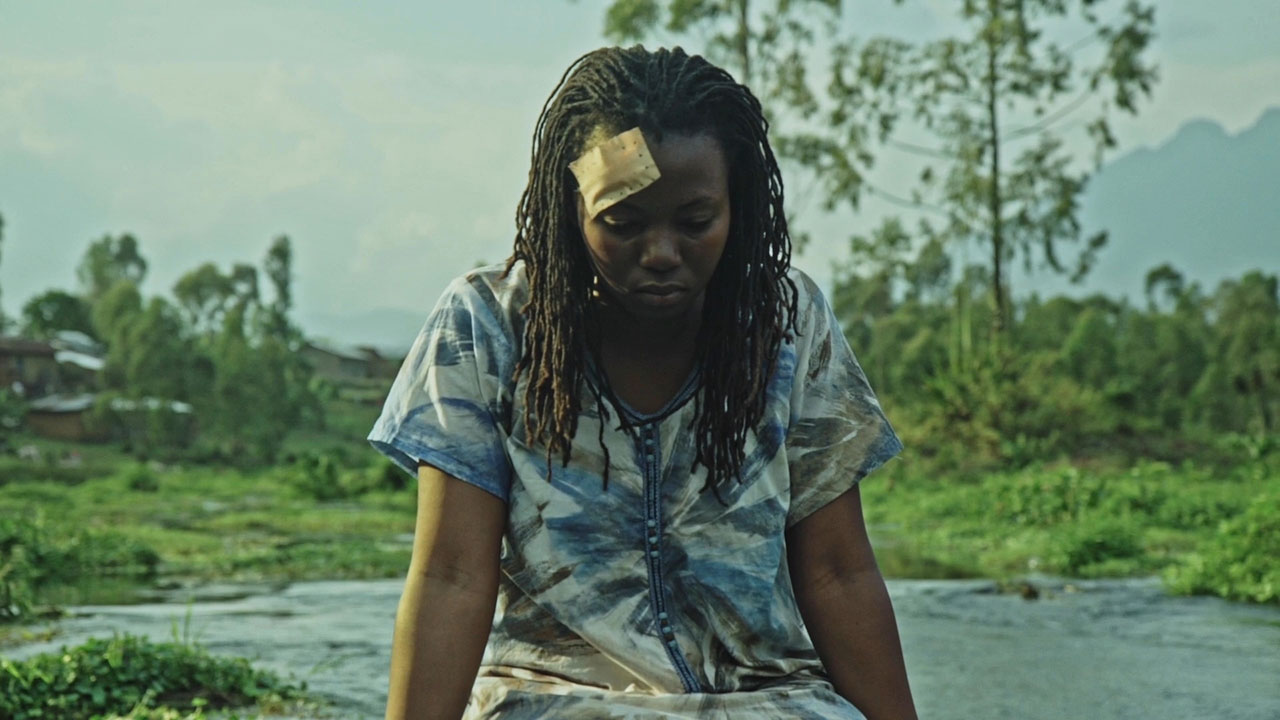
It later appeared at festivals including the BFI London Film Festival and the Melbourne International Film Festival.
At Locarno, Imuhira received the Medien Patent Verwaltung AG Award, which provided support for subtitling and mastering. The film later won Best East African Short Film at Rwanda’s Urusaro International Women Film Festival.
It was also selected for Locarno Shorts Weeks, extending its reach through the festival’s online showcase.
A locally made Kinyarwanda short reaching the competitive programme at Locarno, receiving an industry award and travelling to festivals in different parts of the world was already a notable achievement.
Nameless (Les Anonymes) — Mutiganda wa Nkunda
Mutiganda wa Nkunda’s Nameless is a raw drama about a couple in Kigali struggling with poverty, survival and the pressures that can push ordinary lives toward violence.
The film had its world premiere at the Fribourg International Film Festival before entering the Feature Fiction Competition at FESPACO. It later screened at festivals and showcases including the Festival du Film Francophone d’Angoulême, the Festival International du Film de Bruxelles à Dakar and Continent Afrique in France.

Its strongest competitive recognition came at FESPACO, where Nameless won the Best Screenplay Award.
The project had already attracted attention during its development. It was presented at the Takmil workshop of the Carthage Film Festival, where Orange Studio became involved in its post-production. The project was also selected for Berlinale Talents.
With its stark portrayal of life in Kigali, Nameless took a distinctly local story into international festival spaces while receiving recognition for the writing behind it.
Father’s Day — Kivu Ruhorahoza
Kivu Ruhorahoza’s Father’s Day brings together three stories examining masculinity, fatherhood and patriarchy in contemporary Rwanda.
The film premiered at the Berlin International Film Festival, where it screened in the competitive Encounters section. It later travelled to festivals including the Viennale, Las Palmas de Gran Canaria International Film Festival and the Tarifa-Tangier African Film Festival.
At FCAT, Father’s Day won Best Fiction Feature Film, alongside Best Actor and Best Actress awards.
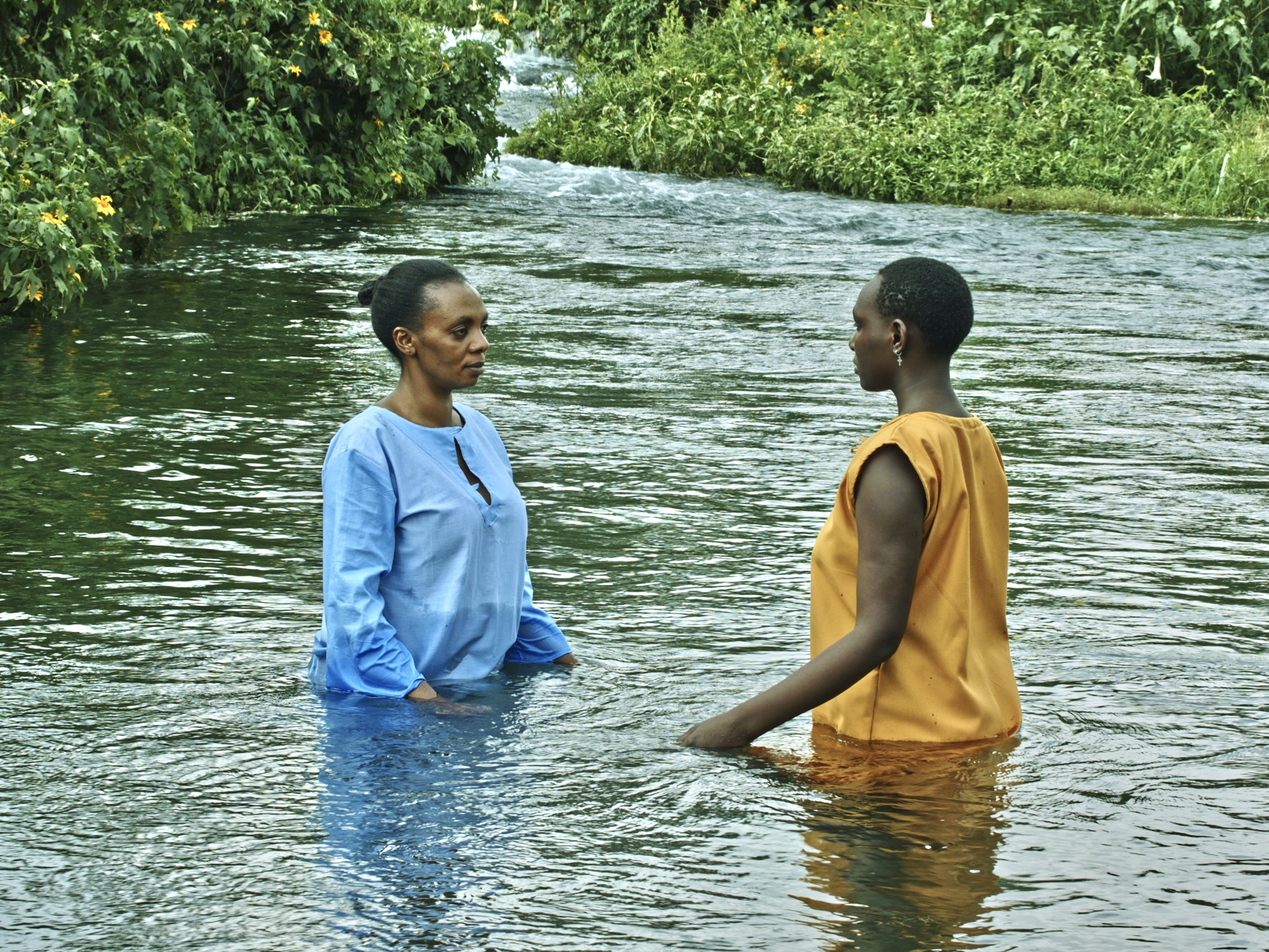
The film also received a Critics Prize Special Mention at the Black Movie Film Festival.
Its reach extended to New York, where it was selected for MoMA and Film at Lincoln Center’s New Directors/New Films.
The film’s international journey placed a contemporary Rwandan story about family, gender and social expectations in some of the spaces where independent cinema is closely followed.
The Bride (La Mariée) — Myriam Uwiragiye Birara
Myriam Uwiragiye Birara’s The Bride (La Mariée) is set in 1997, three years after the Genocide against the Tutsi. The film follows a woman caught in the painful reality of bride abduction and forced marriage, known in Rwanda as guterura.
Through its portrayal of trauma, female solidarity and healing, Birara tells a story about the experiences women face while dealing with violence and social expectations.
The film made its world premiere at the Berlin International Film Festival, where it screened in the Forum section. It later appeared at festivals including the BFI London Film Festival, Chicago International Film Festival, FESPACO and the Marrakech International Film Festival, as well as festivals in Spain, Switzerland and Canada.
At Berlin, The Bride received a Special Mention for the GWFF Best First Feature Award.

Its festival run continued with several awards. At the Novos Cinemas Festival in Spain, it received three awards, including Best Feature Film and a Best Director prize. At the Las Palmas de Gran Canaria International Film Festival, it won the Silver Lady, or Harimaguada de Plata, and the CIMA Award. It also received a Special Mention at the Festival du Nouveau Cinéma de Québec.
At FESPACO, the film won the Prix Spécial UNFPA, recognising its treatment of forced marriage and gender-based violence.
The Bride gave Rwandan cinema another feature-length presence at Berlin while showing that a story rooted in Rwanda’s social history could continue to find recognition across different countries and festival audiences.
Igihuku (The Curse) — Bora Shingiro
Bora Shingiro’s Igihuku (The Curse) is a 15-minute drama centred on Mugabekazi, a traumatised girl, and her mother, a survivor of the 1994 Genocide against the Tutsi.
The film explores grief, family, identity and faith while revisiting the painful history of people who sought refuge in churches only to face violence there.
At the Mashariki African Film Festival, Igihuku received the Best East Africa Talent Award and the SIGNIS Award.
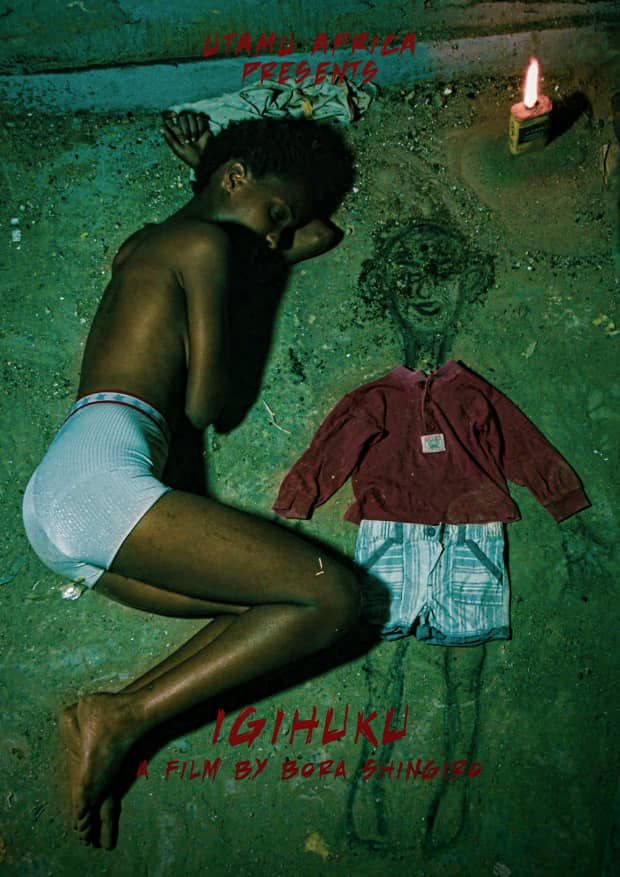
It was later selected for the Maine International Film Festival in the United States as part of a programme dedicated to Rwandan cinema, alongside The Bride. It also competed at the Independent Shorts Awards in Los Angeles, where it won the Gold Award for Best Women Short.
The film’s recognition shows how a short dealing with Rwanda’s history can move from a local festival platform to international audiences and juries.
From Here to There — Remy Ryumugabe
Remy Ryumugabe’s From Here to There takes a quieter approach to questions of existence and reflection.
The film centres on an old and wise woman sitting by a lake and reflecting on existence. Rather than relying on a conventional narrative, Ryumugabe uses the stillness of the setting and the woman’s contemplation to create a meditation on life, time and experience.
The short had its world premiere at the International Short Film Festival Oberhausen and later travelled through festivals including Uppsala, Africa in Motion, Afrika Filmfestival and Ngalabi.
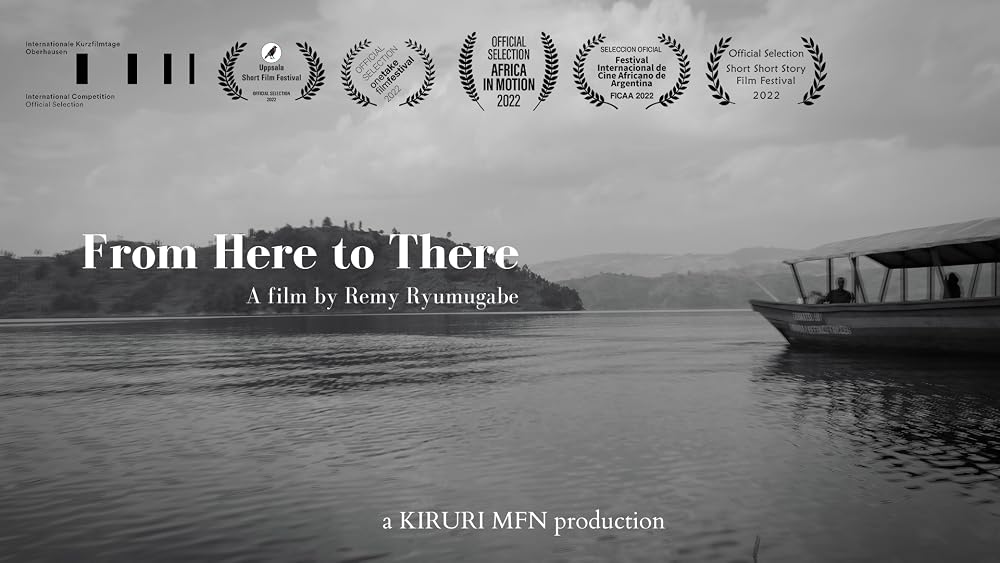
At the Uppsala International Short Film Festival, the film received a Jury’s Special Mention. It also won Best Experimental Film at the Festival Internacional de Cine Africano de Argentina (FICAA) in Buenos Aires, Argentina.
Minimals in a Titanic World (Un monde titanic) — Philbert Aimé Mbabazi Sharangabo
Mbabazi Sharangabo’s Minimals in a Titanic World follows Anita, a passionate dancer and aspiring musician who has just been released from detention with a warning for aggression.
When she returns home, her world is shattered by the sudden death of her boyfriend, Serge. As Anita and their close-knit group of friends navigate their grief, she develops an unexpected and complicated bond with Serge’s roommate and best friend, Shema.
Caught between her loyalty to Serge and her growing feelings for Shema, Anita turns to music and songwriting as a way of dealing with the emotions she struggles to contain.
The film blends drama, dance and music, using vibrant visuals to immerse the audience in the characters’ experience of loss and connection.
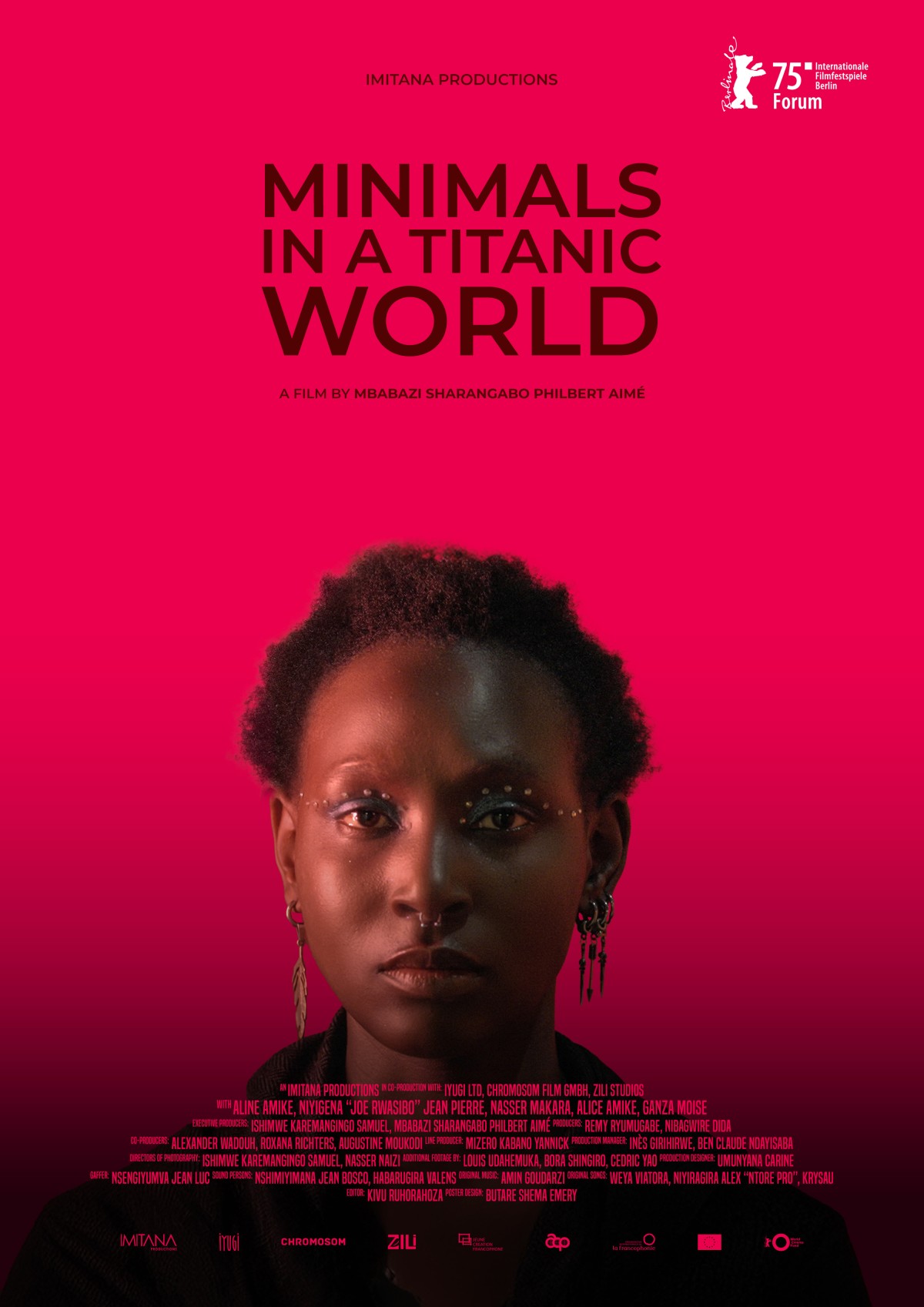
It made its world premiere at the Berlin International Film Festival, where it was selected for the Forum section. It later travelled to FESPACO, where it was selected for the feature-film competition.
Its international screenings also included the Berlinale Spotlight Accra programme in Ghana and the New York African Film Festival.
The production brought together Kigali-based Imitana Productions and Iyugi Productions with Germany’s Chromosom Film and Cameroon’s Zili Studios.
Its Berlin premiere and subsequent festival selections placed a contemporary story from Kigali within international arthouse cinema while keeping its characters and setting firmly rooted in Rwanda.
Murmurs From The Wind — Remy Ryumugabe
In Murmurs From The Wind, Rwandan filmmaker Remy Ryumugabe crafts an introspective journey where memory, sound and image quietly intertwine.
The 11-minute short follows a filmmaker approaching his 35th birthday as he travels to Luxor, Egypt. Surrounded by the ancient city’s archaeological treasures, memories of his troubled past collide with the realities of his present, forcing him to confront his internal struggles while searching for hope.
The film is part of Ryumugabe’s experimental travel-film series and was largely shot on location in Luxor, with around 80 percent of the film filmed in the ancient Egyptian city.
That connection came full circle when Murmurs From The Wind was selected for the 15th Luxor African Film Festival, where it screened in the official Short Film Category and won the Best Artistic Contribution Award.
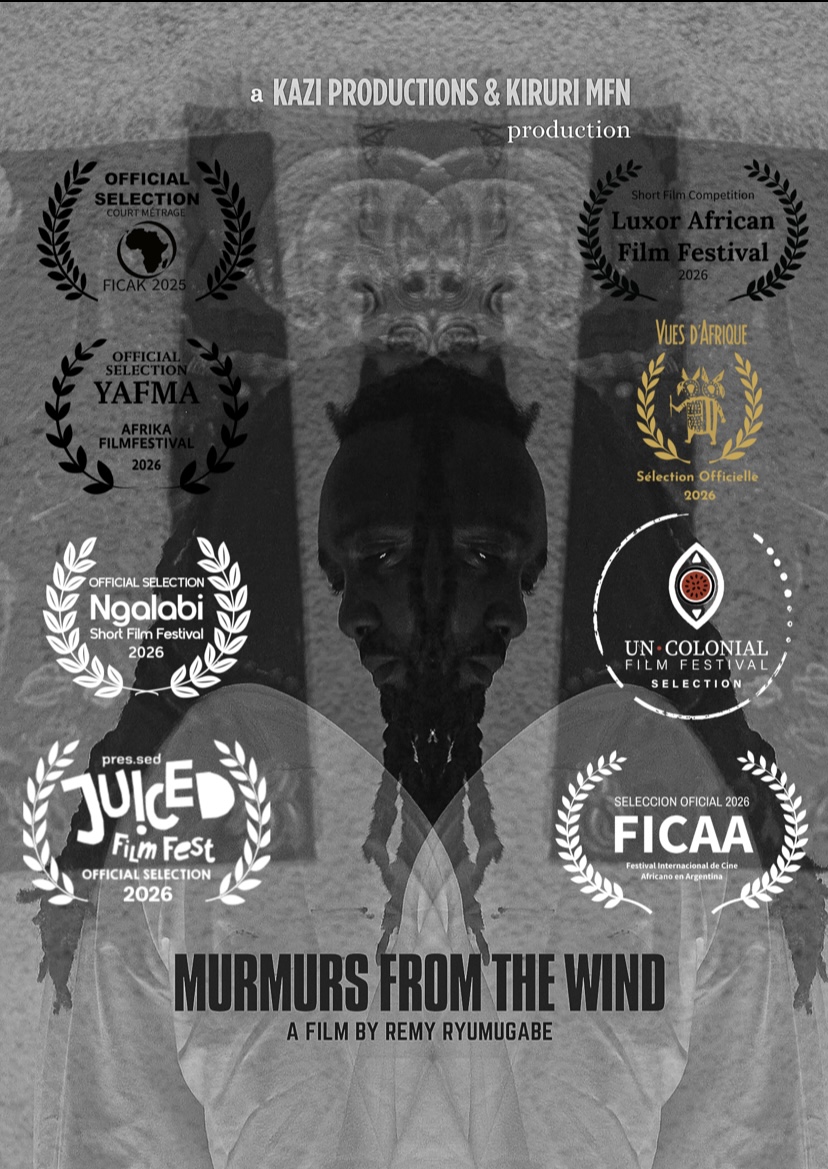
The film has also screened at the Ngalabi Short Film Festival in Uganda, Uncolonial Film Festival in Germany, Festival Internacional de Cine Africano de Argentina in Buenos Aires, Afrika Filmfestival in Belgium and the Juice Film Festival. At the Afrika Filmfestival, it was also nominated for the YAFMA Award.
What makes Murmurs From The Wind stand out is not simply where it has been screened, but how Ryumugabe uses travel as part of the filmmaking itself. The journey to another country becomes a way of looking inward, turning Luxor’s landscape, history and sounds into part of the character’s internal world.
Its Best Artistic Contribution award at Luxor adds another example of Rwandan cinema being recognised for its artistic choices.
Ben’Imana — Marie-Clémentine Dusabejambo
Marie-Clémentine Dusabejambo’s Ben’Imana marks one of the most significant achievements in recent Rwandan cinema.
The filmmaker’s feature directorial debut follows Vénéranda, a Genocide against the Tutsi survivor involved in community reconciliation, whose faith is tested when her daughter becomes unexpectedly pregnant.
The film made its world premiere at the Cannes International Film Festival, where it screened in Un Certain Regard. It later received further international exposure, including a selection at the Toronto International Film Festival.
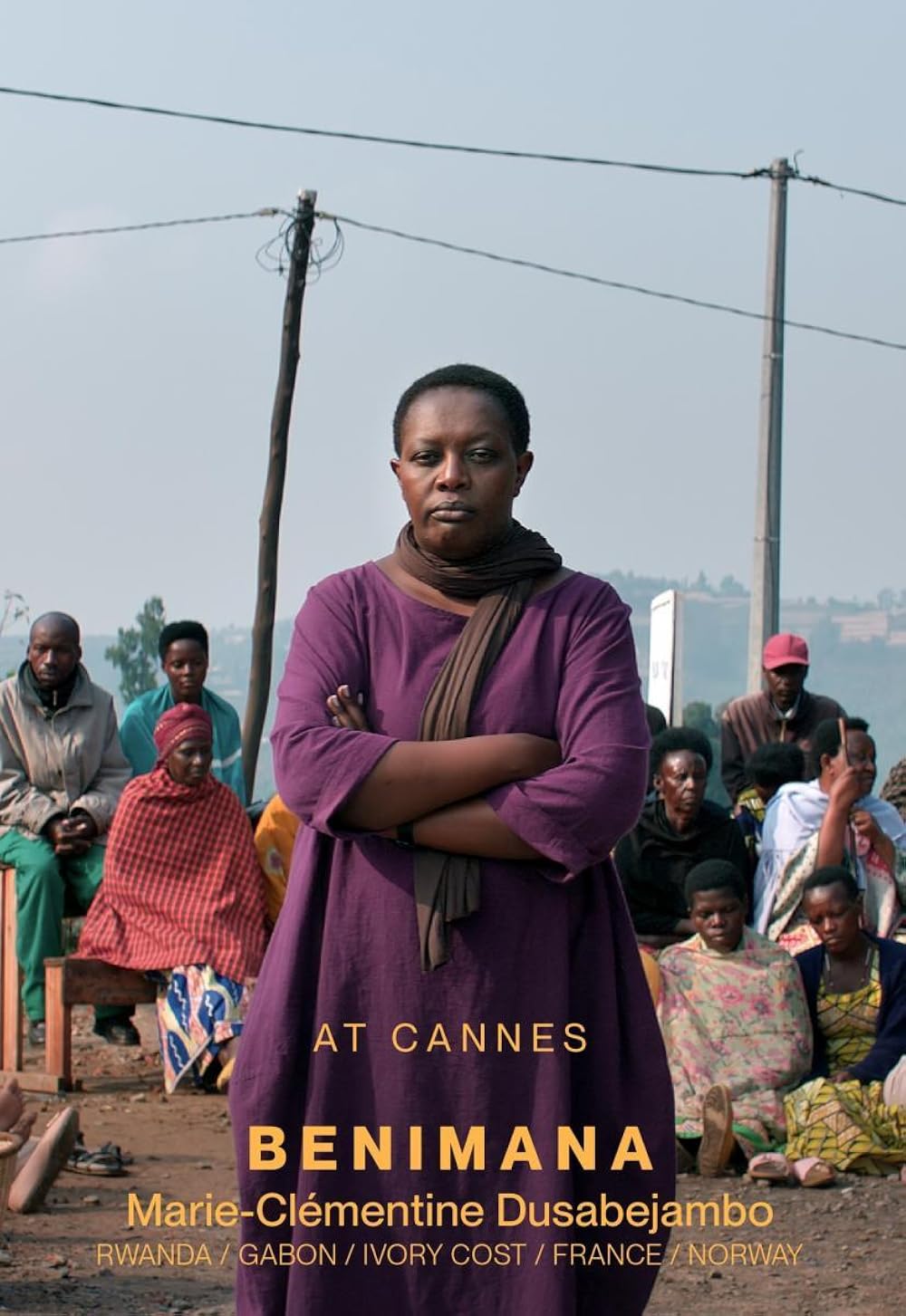
At Cannes, Ben’Imana won the Caméra d’Or, awarded to the best first feature across the festival’s official sections and parallel selections. Dusabejambo also received the FIPRESCI Prize from the International Federation of Film Critics.
The film had been in development for more than a decade and received international support during its development. It was produced through a collaboration involving Rwanda’s Ejo Cine and Gabon’s Princesse M Productions.
A Rwandan filmmaker’s feature debut reaching Cannes and leaving with the Caméra d’Or is an achievement that speaks for itself.
But what happens when the films come home?
However, international recognition is only one part of the story.
It is difficult for audiences to judge the full range of Rwandan filmmaking when many of the films recognised internationally are rarely available to watch at home. That creates a gap between the Rwandan films being celebrated abroad and the films Rwandans actually get to experience.
Part of the reason some people dismiss Rwandan films may be that their exposure to local filmmaking is limited. Some of the films in this list are slower, more personal or experimental, and approach storytelling differently from mainstream entertainment. Audiences cannot develop an appreciation for different kinds of filmmaking if they rarely get the chance to see them.
There is also a challenge on the audience side. Many viewers have become accustomed to finding much of their entertainment for free on YouTube and other online platforms. That makes it harder for locally made films to find sustainable ways of reaching audiences, especially when they are not widely available through cinemas or legitimate streaming platforms in the first place.
A stronger distribution system could give Rwandan films a clearer path home after their international festival runs. More screenings, local partnerships and accessible streaming options could give audiences the chance to discover films that have already travelled far beyond Rwanda.
These films should not only be celebrated when they win awards abroad. Rwandans should also have the chance to watch them, discuss them and decide for themselves what they think.
The next achievement for Rwandan cinema should not only be another award abroad. It should also be seeing Rwandans filling a cinema to watch a film made by their own.