Ru$ambo: Zimbabwean Marriage Mystery Finds an International Stage
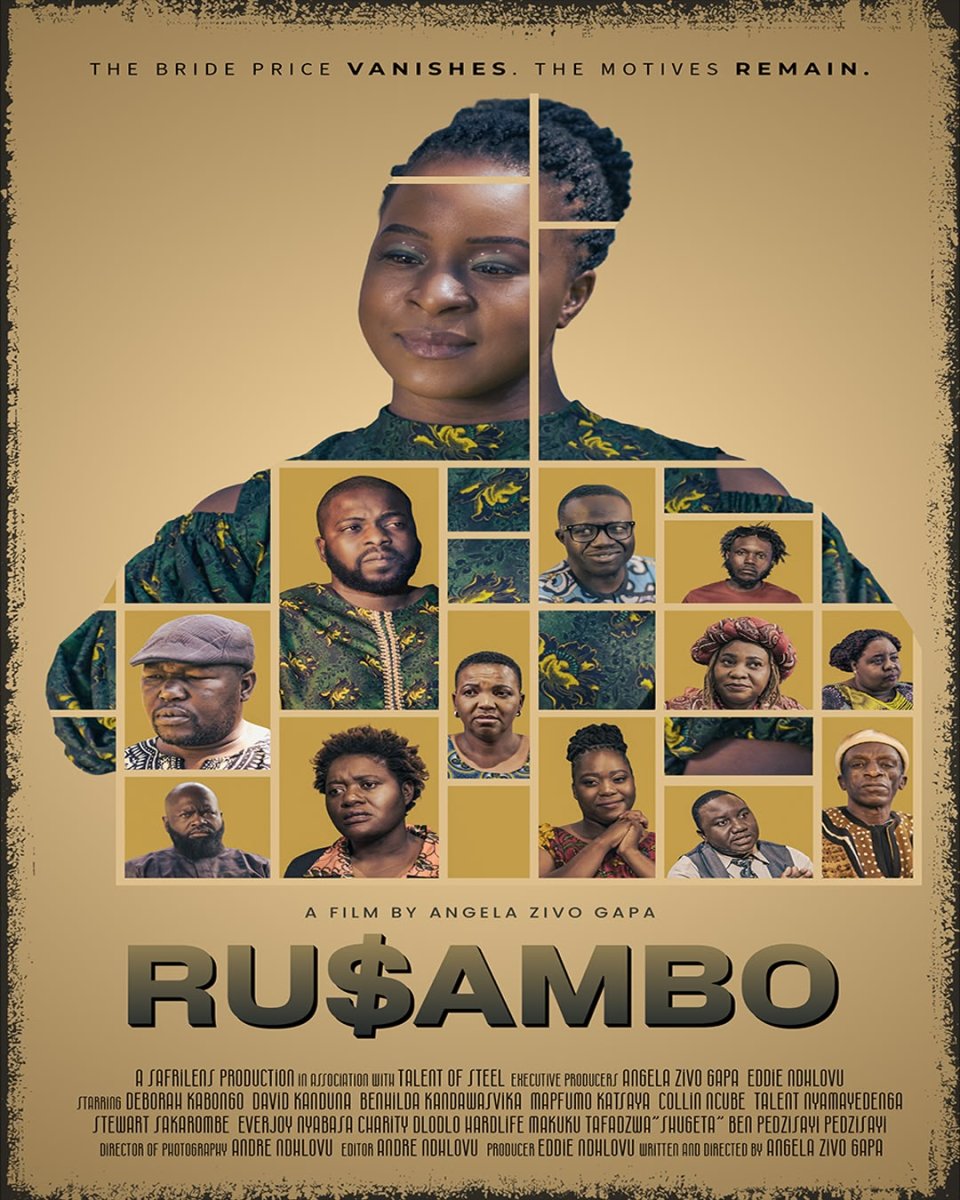
Zimbabwean feature film Rusambo continues its festival journey, with its latest stop being the 12th edition of the Mashariki African Film Festival in Rwanda. Directed by Angela Zivo Gapa and produced by Eddie Ndhlovu, the film will screen in the festival’s Long Feature Films category on November 25, 2026.
Rusambo follows 27-year-old Hanayashe Gavi, a financial planner preparing for her traditional Shona roora (lobola or bride price) ceremony. What should be a joyful celebration takes an unexpected turn when the lobola money mysteriously disappears. As family members become suspects, the gathering descends into accusations, hidden secrets and questions of greed, putting Hanayashe’s marriage and future on hold.
The film features Deborah Kabongo, David Kanduna, Benhilda Kandawasvika, Mapfumo Katsaya, Collin Ncube, Talent Nyamayedenga, Everjoy Nyabasa, Stewart Sakarombe, Charity Dlodlo, Tafadzwa “Shugeta” Beni, Pedzisayi Pedzisayi and Hardlife Makuku. Andre Ndhlovu handled cinematography and editing.
Since its release, Rusambo has screened at several festivals and showcases, including the Silicon Valley African Film Festival, Bantu Film Festival, Festival du Film Panafricain de Cannes, L’Afrique Fait Son Cinéma, AFFRICUFF, Uhuru Film Festival, Djarfogo International Film Festival and Festival Mundial de Cine de Veracruz. The film is also currently screening at Westgate Cinemas in Harare, Zimbabwe. Its recognition has extended to the 2026 African Movie Academy Awards (AMAA), where director Angela Zivo Gapa was nominated for Best First Feature Film by a Director, while lead actress Deborah Kabongo received a nomination for Best Actress in a Leading Role.
In an exclusive interview with Cinemag, director Angela Zivo Gapa discussed the inspiration behind Rusambo, the story’s connection to Zimbabwean culture, her experience making her debut feature and the film’s reception.
From a film festival experience to making her own film
Gapa’s journey into filmmaking began after attending the Silicon Valley African Film Festival in the United States three years ago. Seeing African stories told by African filmmakers made her realise that she also wanted to contribute to the stories being told about the continent.
She explained that before attending the festival, she had rarely encountered African films on mainstream streaming platforms such as Netflix and Hulu. The experience introduced her to a different range of stories and inspired her to create something of her own.
“I had never seen films like that before on Netflix or Hulu. They don’t really show many African films by African filmmakers. It was the first time I was seeing films like that, and I had such a good experience. I thought, I need to tell my own stories. That’s why I ended up doing Rusambo. That’s when I decided to make my own film,” she said.
After writing the screenplay, Gapa shared it with friends she had made in the filmmaking community. They helped her revise the script, and one of them encouraged her to submit it to a screenwriting competition. The screenplay went on to win Best Drama Screenplay at the Melbourne International Screenplay Awards.
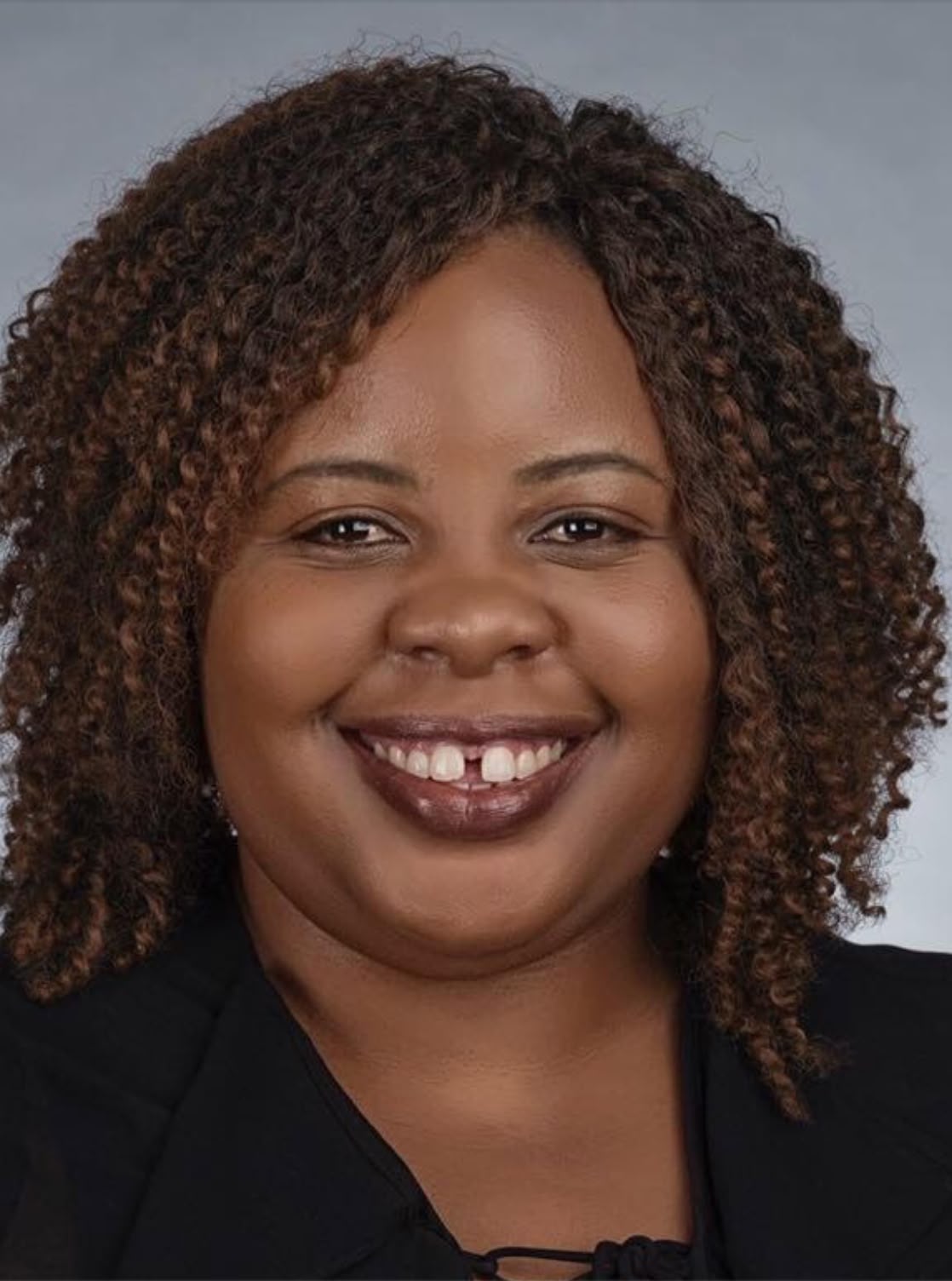
Rusambo’s writer and director, Angela Zivo Gapa
That recognition gave her the confidence to take the project further. She later met producer Eddie Ndhlovu, who read the script and became interested in bringing it to the screen.
“He has a background in television and film, so he read the script and liked it. We decided to make the film together,” she explained.
A Zimbabwean story told from a Zimbabwean perspective
Living in the United States also influenced what Gapa wanted to achieve with Rusambo. She had become accustomed to watching films largely told from Western perspectives and wanted to present a story rooted in her own culture and experiences.
“Because I live in America, most of the films I see are told from a Western perspective. I just wanted to tell a story that was authentically African and told from an African perspective, without having a Western perspective,” she said.
She also wanted audiences to discover more about Zimbabwe through the film, particularly its culture, fashion and music.
“I wanted people to see it and know about Zimbabwe and its beautiful culture. I wanted to make sure that the fashion, the music and everything were authentically Zimbabwean.”
The idea for Rusambo came from a wedding Gapa attended. She recalled hearing conversations among guests who viewed different situations from different perspectives. Those observations led her to imagine what would happen if the lobola money went missing, turning a traditional celebration into a situation where family members begin questioning one another.
Beyond the mystery surrounding the missing money, the film also examines the institution of roora, a traditional practice that has existed in Shona communities for generations.
Gapa’s academic background also influenced the way she approached the story. Although she had never attended film school, she brought her experience as a university professor teaching international relations into her first feature film.
“This is my very first film. I am not a filmmaker, I have never gone to film school. I am a college professor and I teach international relations. I teach things related to conflicts and looking at different interests and different motives by different people. That’s what I wanted to explore,” she explained.
Her teaching involves examining conflicts, interests and the different motivations behind people’s decisions. She brought that perspective into Rusambo, using a family gathering and a traditional Shona ceremony to explore how different interests can emerge within a community.
Festival recognition and what comes next
For Gapa, the reception of Rusambo has been encouraging. She said audiences have shared positive feedback about the film, making the experience especially meaningful for someone entering filmmaking with her first feature.
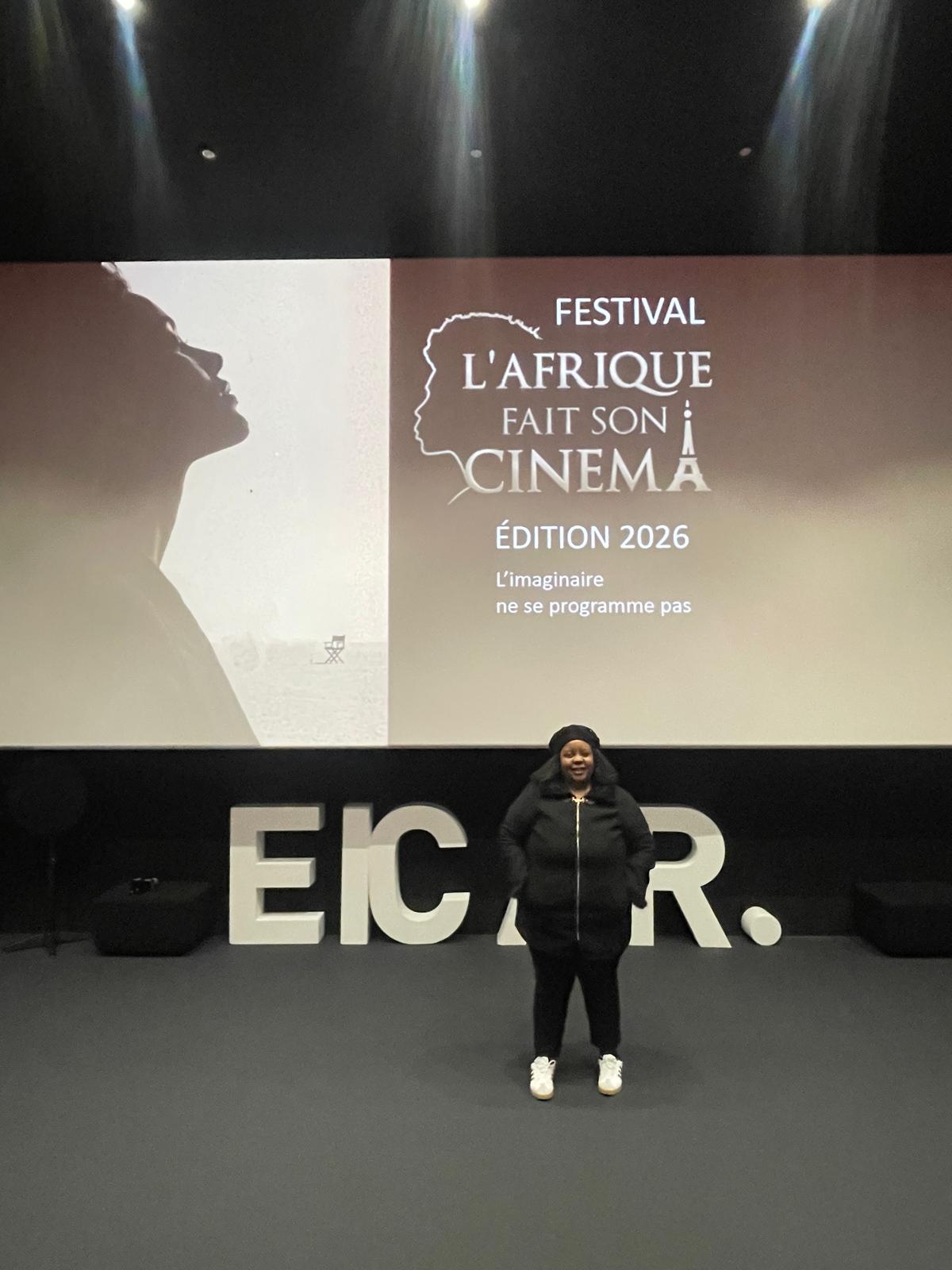
Angela Zivo Gapa at the screening of Rusambo during L’Afrique Fait Son Cinéma.
Reflecting on the film’s reception and its AMAA nomination, Gapa described the recognition as a validating experience, particularly as a first-time feature filmmaker.
“People loved the film so much. They said many positive things. I was nominated for Best First Feature Film by a Director at the AMAA Awards in Nigeria, with big people and big directors, and I was like, ‘What?’ So it was validating to know that a voice like mine is something people are ready to hear. My perspective is something people are ready to listen to. That was very exciting,” she said.
Looking ahead, Gapa hopes to secure an executive producer who can help finance her next film. She is exploring different opportunities and working to reach more audiences, remaining optimistic about what lies ahead.
Rwandan audiences will have an opportunity to watch Rusambo at the 12th edition of the Mashariki African Film Festival. The film is competing in the Long Feature Films category, which brings together works by filmmakers from Africa and the African diaspora. Its screening is scheduled for 25 November 2026 at 17:20.
With its screening at the Mashariki African Film Festival, Rusambo adds another stop to its festival journey, bringing its story of Zimbabwean culture, family relationships and traditional expectations to audiences in Rwanda.