Reels of Resilience: The Story Behind Mashariki’s 12th Edition
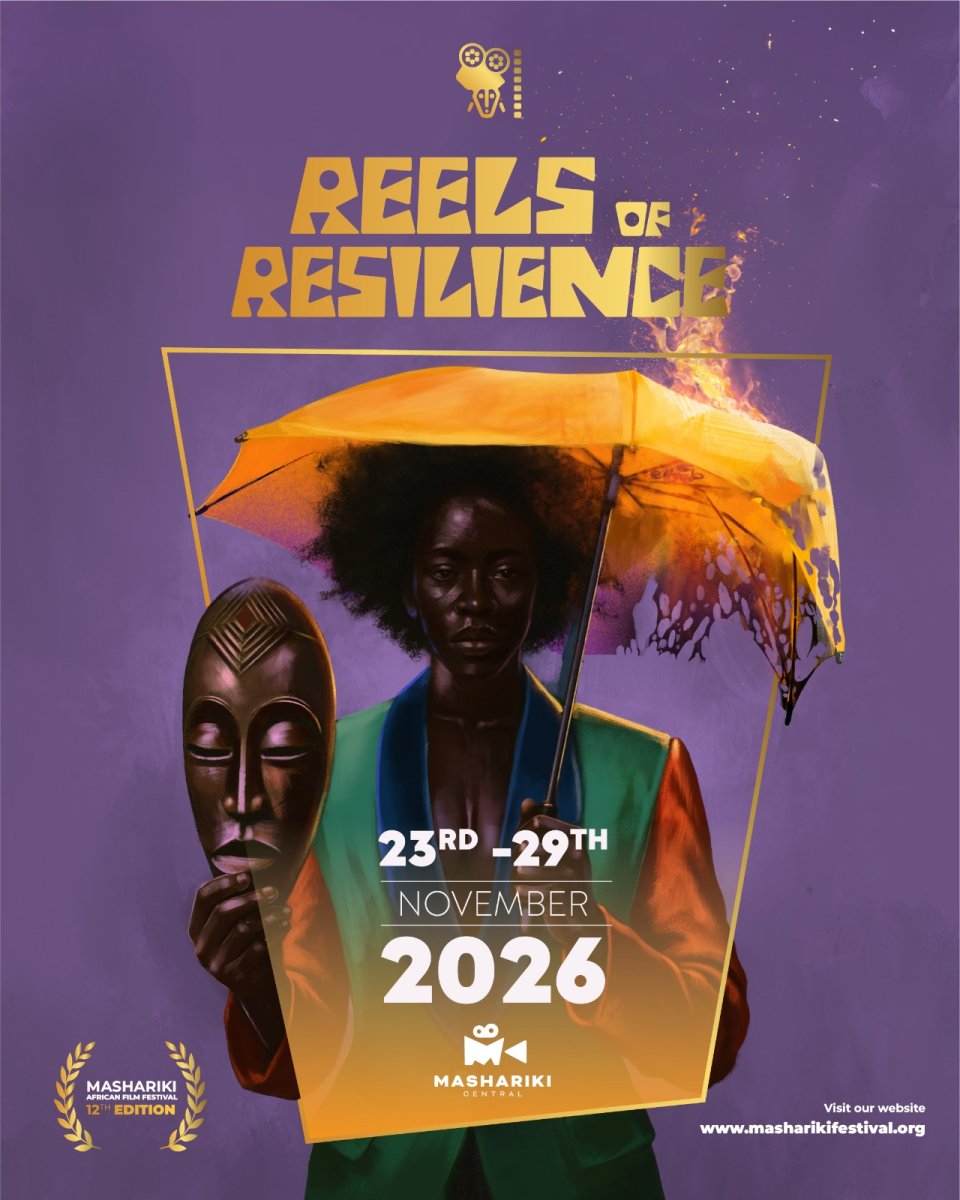
Making films is not always about having access to the best equipment, adequate funding or favourable working conditions. Across Africa, filmmakers continue to tell stories despite challenges that sometimes extend beyond the filmmaking process itself. It is this determination that the 12th edition of the Mashariki African Film Festival (MAAFF) seeks to celebrate.
Running from November 23 to 29, 2026, in Kigali, the festival brings together films and talents from Africa and its diaspora under the theme “Reels of Resilience – A.I.: African Intelligence.”
This year’s theme recognises filmmakers who continue to create despite conflict, displacement, censorship and limited resources, using cinema to preserve memories, give visibility to overlooked experiences and imagine different futures.
A film that embodies the theme
The choice of Congo Boy as the festival’s opening film reflects the message behind this year’s edition.
Directed by Rafiki Fariala, the film follows Robert, a 17-year-old Congolese refugee living in Bangui, Central African Republic, who dreams of pursuing a career in music. With his parents in prison, he must balance school, his musical ambitions and the responsibility of caring for his younger siblings. When a music competition is announced, he sees an opportunity to change his circumstances.
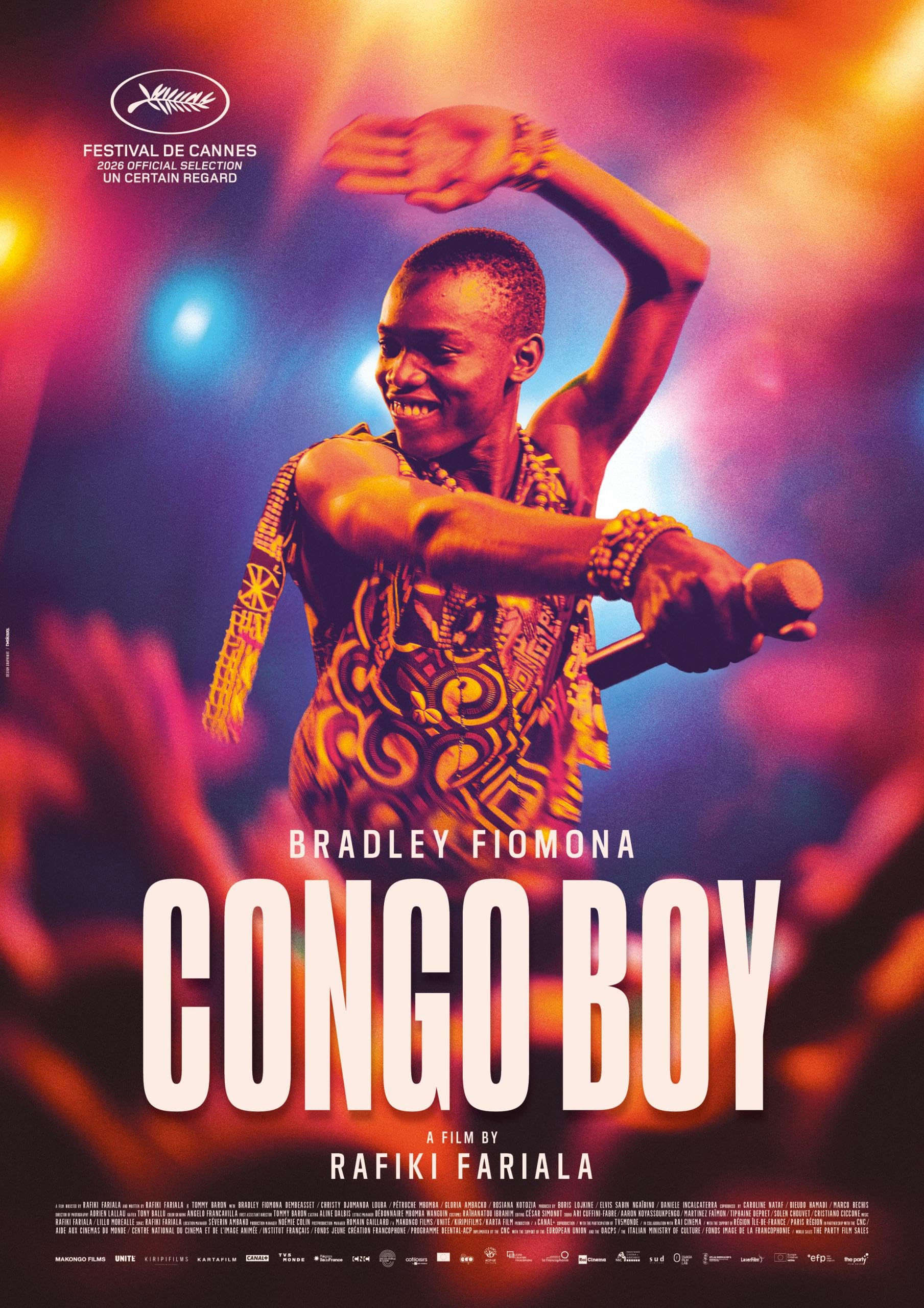
Partly inspired by Fariala’s own experiences, the film explores displacement through the eyes of a teenager without reducing his identity to the hardships he faces.
Congo Boy, Fariala’s fiction feature debut, had its world premiere in the Un Certain Regard section of the 2026 Cannes Film Festival, where its lead actor, Bradley Fiomona Dembeasset, won the section’s Best Actor award. Its screening at Mashariki marked its East African premiere.
“We chose Congo Boy because it tells the story Mashariki has stood for over twelve years: young Africans who, even in the harshest conditions, refuse to stop creating,” said Fabrizio Colombo, the festival’s Artistic Director.
Colombo also highlighted the significance of the film for young people across the Great Lakes region, particularly Congolese filmmakers working with limited access to filmmaking facilities and cinemas.
Beyond film screenings
This year’s festival features productions from more than 30 countries, bringing together feature films, short films, documentaries and television series, alongside sections dedicated to Rwandan cinema.
Among the selected Rwandan productions are 1795, directed by Jackson Uwihaye and Joel Kamanzi Shami, and What a Day, by Niyitegeka Gratien and Deny Iriniga.
Beyond screenings, the festival continues to invest in professional development through workshops and the third edition of MashaRket, its international audiovisual content market.
Scheduled from November 27 to 29, MashaRket provides a space for filmmakers, producers and other industry professionals to connect, pitch projects and explore co-production opportunities.
As African filmmakers continue to navigate challenges in financing, production and distribution, platforms such as Mashariki offer opportunities not only to showcase completed films but also to develop future projects and build professional relationships.
Through its selection and industry programmes, the 12th edition places emphasis on both the stories African filmmakers tell and the conditions under which those stories are brought to the screen.