
Papa Sava celebrates 30 Years in the arts as What a Day premieres

On 30 January at Mundi Center, Rwandan actor and performer NIYITEGEKA Gratien, widely known as Papa Sava or Seburikoko, celebrated 30 years of contribution to the arts through performance, reflection, and the premiere of his first-ever feature film, What a Day.
The milestone highlighted not only personal longevity, but the rare endurance of an artist who has remained active and relevant across every major phase of Rwanda’s creative industry.
The celebration drew a full house, with Mundi Center filled to capacity, reflecting the strong support Gratien continues to enjoy from audiences and peers. Fellow actors, collaborators, members of the Papa Sava team, and long-time fans gathered to honor a career built steadily over three decades.
A night of performance and reflection

The evening opened with a one-man show, a format Gratien has mastered and helped popularize. Alone on stage, he carried the performance from start to finish, sustaining the audience’s attention without interruption. The moment reaffirmed his command of solo theatre — a demanding art form that requires discipline, precision, and deep connection with the audience.
He was later joined by Sandrine Umuhoza, popularly known as Sasa in Papa Sava and Nicole in City Maid, for a performance of Twe Twenyine, offering a collaborative and emotional contrast to the solo act.

Contribution beyond the spotlight
Beyond performance, the celebration also highlighted Gratien’s role as a mentor and employer. He currently works with more than 30 actors and actresses under the Papa Sava team, many of whom credit him for opportunity, guidance, and consistency. Their recognition underscored his contribution not only as an artist, but as someone actively investing in the growth of others within the industry.
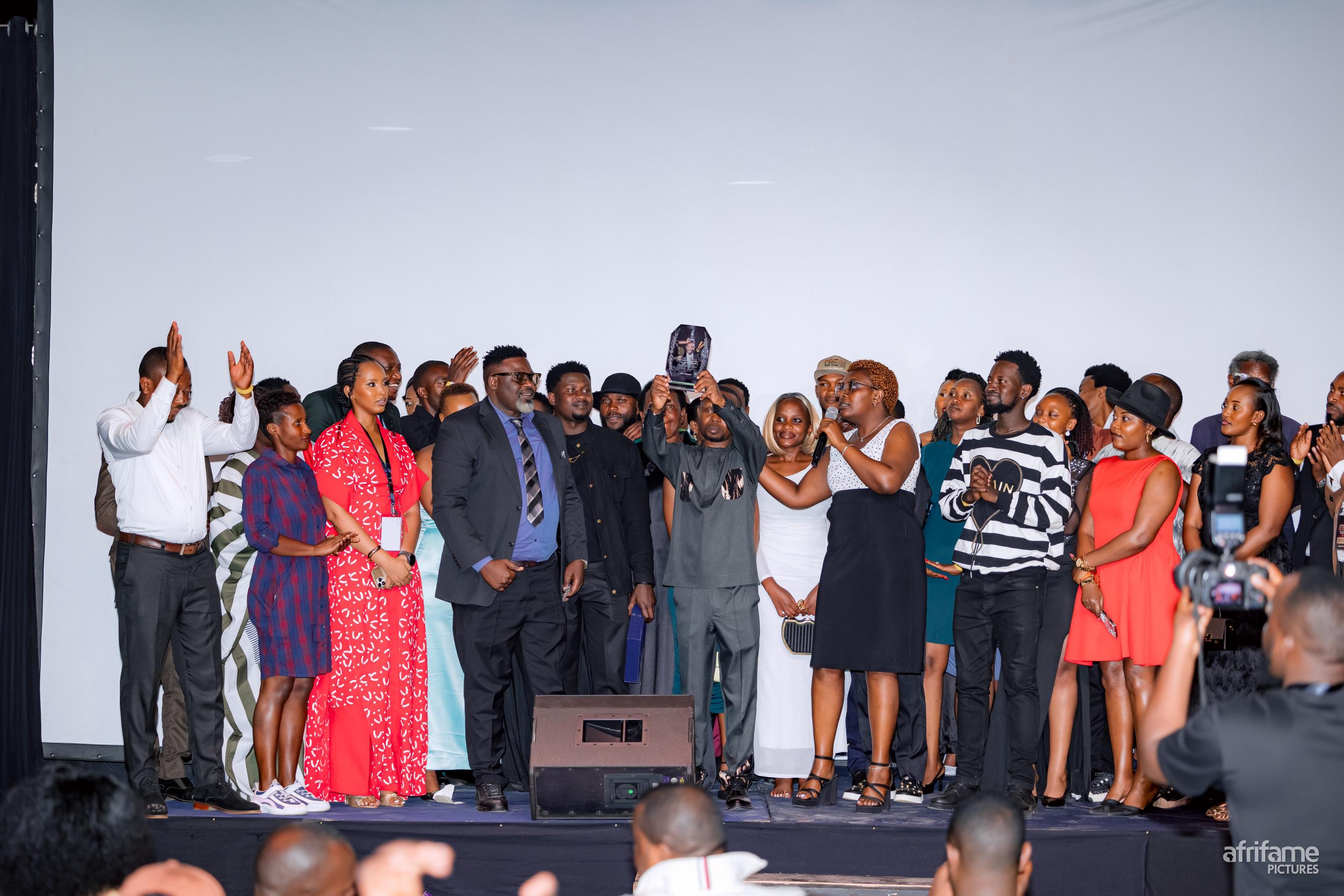
The premiere of what a day
The evening culminated in the premiere of What a Day, Gratien’s first feature film, in which he also plays the lead role of Motari Egide. The screening held the audience’s attention throughout, balancing tension with humor as the story unfolded.
When the film ended, the reaction in the room was striking. Rather than immediate closure, there was a shared sense of unfinished anticipation — not dissatisfaction with the film, but a collective feeling that it had ended too soon. The story concluded at the exact point where many viewers wanted it to continue, eager to see what would finally happen to Motari Egide. Applause followed, shaped by curiosity as much as appreciation.

Many audience members later described the film as among the strongest local productions they had seen, praising both the performances and the technical execution. While the night was not intended for critical analysis, the response reflected a film that had successfully engaged its viewers.
Addressing questions about the ending, Gratien explained that resolution was never the primary objective.
“We were not looking for justice. Every work of art has its own ending, and a good film leaves you wondering what comes next.”
He also clarified that stunt doubles were used for certain scenes, including motorcycle riding and specific sequences, emphasizing the importance of safety and sustainability in filmmaking.
“Even Jackie Chan uses stunts,” he said.
From concept to screen
Gratien revealed that What a Day was developed from five initial ideas, with the creative team ultimately choosing to focus on a single concept capable of carrying the entire 90-minute film.
“We wanted one word, one feeling, to run through the whole film,” he explained, adding that the project is intended for international festival circuits.
He further noted that one of his main goals was to showcase young talent, expressing confidence in the ability and professionalism of emerging creatives in Rwanda’s film industry.

Challenges and gratitude
Reflecting on production, Gratien acknowledged the physical challenges he faced during filming.
“It was sunny and I got sick. But when you see the result of what you created, you forget everything that happened.”
He went on to thank collaborators from Indamutsa, his early film projects, and the teams he continues to work with today, highlighting the collective effort behind his journey.
Education, mentorship, and the road ahead

Looking forward, Gratien announced initiatives focused on giving back. Among them is an educational notebook project titled “Sava”, expected to reach the market by September, ahead of the new school year.
He also announced plans to train aspiring performers in one-man shows, signaling a deliberate shift toward knowledge transfer and mentorship.
“I’m getting older. I can’t do everything the way I used to. It’s time to pass on what I know to the next generation.”
More than a celebration, the evening stood as recognition of consistency, resilience, and contribution. After 30 years in the arts, NIYITEGEKA Gratien’s career reflects the growth of Rwanda’s creative industry itself — from modest beginnings to confident storytelling on screen.
At 30 years in the industry, Gratien is not closing a chapter. He is proving that artistic longevity can still produce firsts.

Rwandan singer Bwiza was present

Actor Clapton Kibonke attended

Artist&poet junior Rumaga joined the celebration
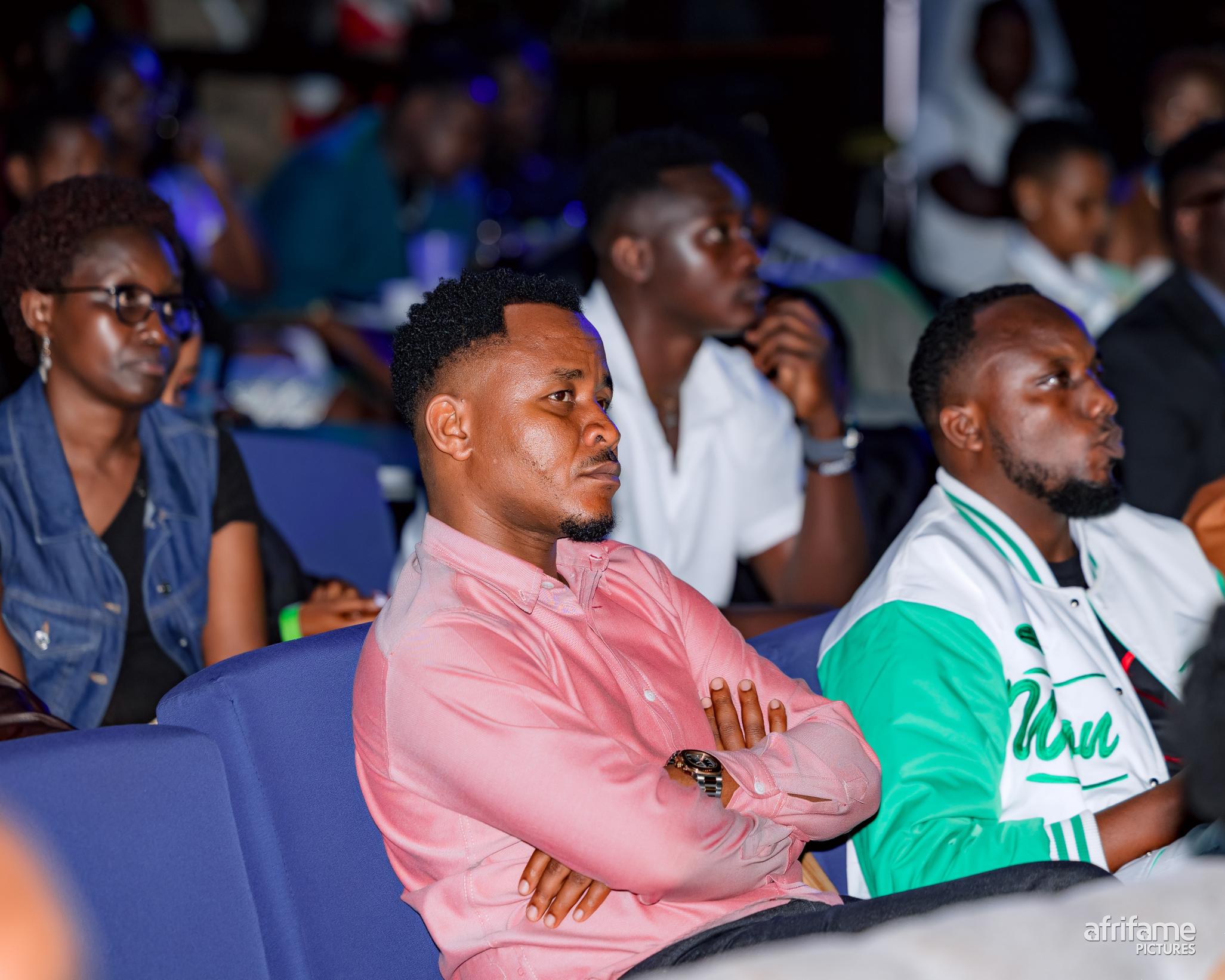
Actor Bamenya was there.

Actor Dogiteri Nsabi attended the celebration.

Founder&CEO of ZACU Entertainment, Nelly Wilson Misago was present.

Actors Killaman Major and Ndimbati were present.

Actor&comedian Kanyombya joined the celebration.