
One Battle After Another Review: Living With the Consequences of the Past
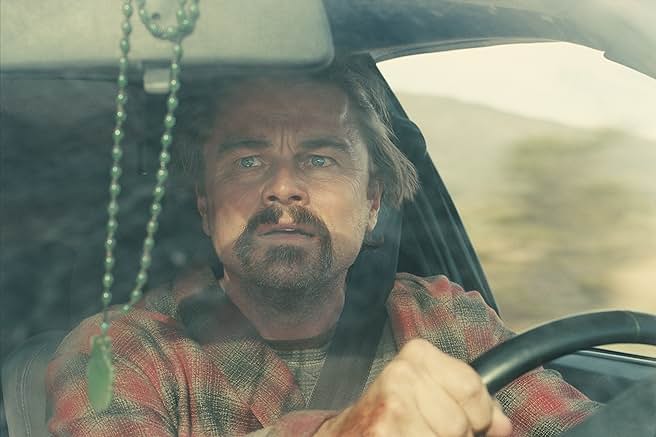
Paul Thomas Anderson’s One Battle After Another disguises itself as an action thriller, but beneath its chases, bursts of violence, and dark comedy lies a story about how the ghosts of a failed revolution continue to haunt those who survived it and the generation that inherits its consequences.
Inspired by Thomas Pynchon’s Vineland, the film follows Bob Ferguson (Leonardo DiCaprio), a former revolutionary whose past catches up with him when Colonel Steven J. Lockjaw (Sean Penn) resurfaces sixteen years later, forcing him to rescue Willa (Chase Infiniti), the daughter he has raised.
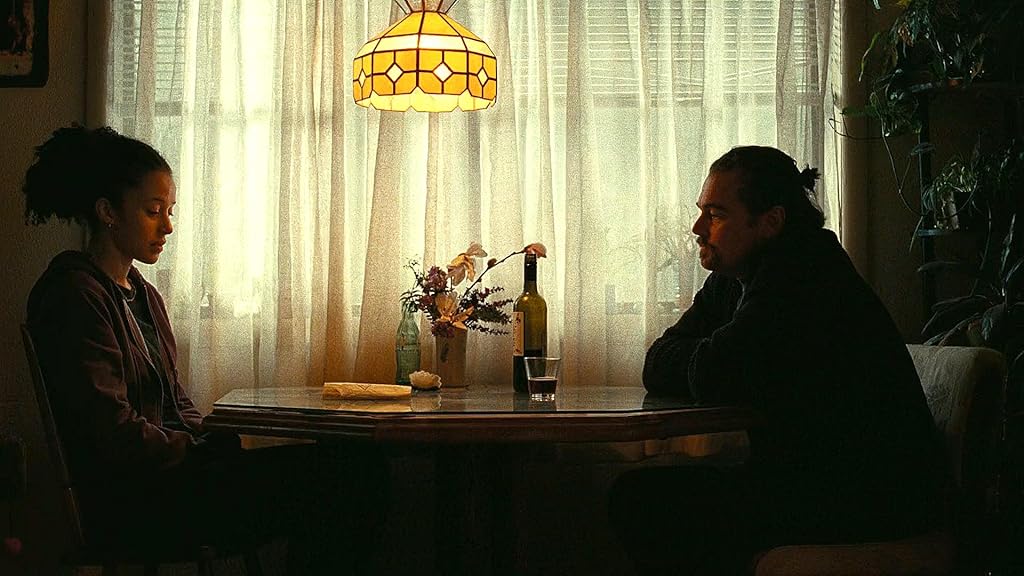
Chase Infiniti and Leonardo DiCaprio in one battle after another
The film immediately draws the audience in with its opening sequence. As Perfidia Beverly Hills (Teyana Taylor) walks across a highway overpass, carefully concealing her face, Anderson reveals very little, yet creates enough mystery to make us wonder who she is, what she is running from, and why. That curiosity carries naturally into the rest of the story.
Even the title works in the film’s favor. One Battle After Another suggests that one conflict simply gives way to the next, creating an underlying tension even during its quieter moments. There is never a sense that the conflict is truly over, even in the film’s quietest moments.
Anderson balances action, political drama, and family conflict without allowing one to overpower the other. The narrative remains engaging throughout, although a few screenplay decisions weaken its momentum. Avanti’s sudden change of heart feels abrupt, while Bob’s prolonged search for the French 75 rendezvous code stretches longer than necessary. Likewise, Perfidia’s emotional journey deserved greater attention. A few additional scenes showing her grief, guilt, or longing for Willa would have added even greater emotional depth to an already compelling character.
Michael Bauman’s cinematography gives the film a textured, grounded look. Natural lighting allows darkness to remain dark rather than artificially illuminating every frame, making the world feel believable. The restless handheld camerawork never allows the audience to settle, especially during the chase sequences, placing us alongside the characters instead of safely observing from a distance. Close-up shots are equally effective, allowing us to sit with the characters’ fear, exhaustion, and uncertainty.
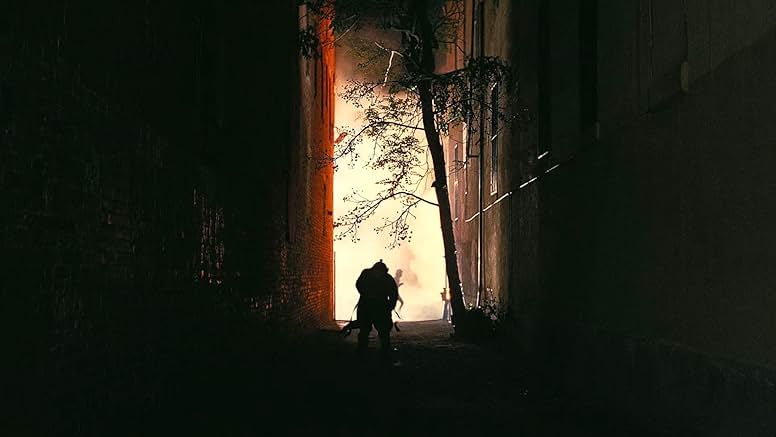

Chase Infiniti as Willa in one battle after another
The sound design follows the same philosophy. Rather than relying on music to drive every emotional moment, Anderson often lets silence and environmental sounds build suspense. During the desert chase, screeching tires, revving engines, and bursts of gunfire replace a traditional score, making the sequence feel immediate and intensely immersive.
The production design quietly reinforces the film’s realism. Bob and Willa’s home feels genuinely lived in, with family photographs of Willa growing up that subtly reflect the life they have built together. Worn costumes naturally belong to the characters rather than feeling designed for the camera. One detail that stood out was Bob’s robe. By the time he finally reaches Willa, it is visibly torn, subtly reflecting everything he has endured throughout the pursuit.
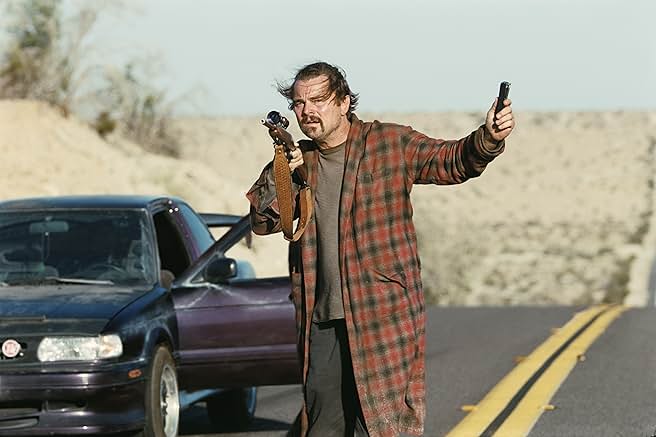
Leonardo DiCaprio as Bob Ferguson in one battle after another
The film’s emotional weight ultimately rests on its performances. Leonardo DiCaprio fully embodies Bob Ferguson, making every moment feel believable without ever reducing the character to a conventional action hero. Sean Penn is relentlessly unsettling as Lockjaw, while Chase Infiniti brings authenticity to Willa, and her chemistry with DiCaprio makes their father-daughter bond feel completely genuine. Teyana Taylor is equally compelling, bringing both strength and vulnerability to Perfidia despite the screenplay giving her less room to fully explore the character’s emotional journey.

Sean Penn as Colonel Steven J. Lockjaw in one battle after another
One Battle After Another is not without flaws, but its confident direction, immersive cinematography, thoughtful sound design, authentic production design, and compelling performances make it a rewarding cinematic experience that is well worth watching.