
Muzunga (Vertigo) Review: A Thoughtful Exploration of Isolation and Anxiety
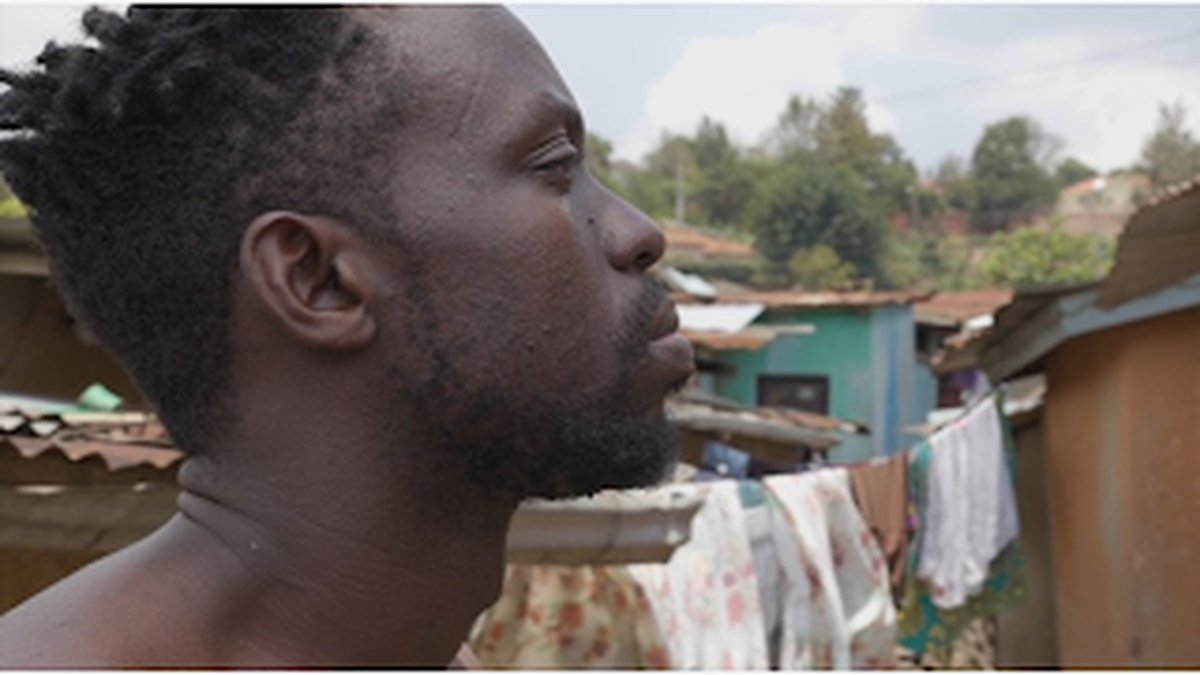
Muzunga (Vertigo) turns the experience of lockdown into a deeply personal exploration of isolation, anxiety, and the emotional weight of being forced to stop. Written and directed by Rwandan filmmaker Ganza Moise in collaboration with UGHE and presented by KIRURI MFN, the 2022 short fiction drama follows Motari, a man whose daily routine and sense of purpose are disrupted when the world around him suddenly comes to a standstill.
Set during the 2020 coronavirus pandemic, the film reflects the emotional and economic hardships experienced by many people, especially those whose livelihoods depended on daily work. For Motari, whose identity is closely connected to movement and routine, being confined at home becomes more than a physical restriction—it becomes a psychological battle. Through his experience, Muzunga captures the loneliness, frustration, and uncertainty that defined this period for many people.
What makes the film particularly effective is the way it immerses the audience in Motari’s mental state. Rather than simply telling us that he is struggling, the film allows us to experience his restlessness and psychological exhaustion firsthand, making us feel trapped alongside him.
One of the film’s strongest sequences comes early on, when the disorganized state of Motari’s house reflects his emotional instability. The scattered clothes and untidy environment become a visual extension of his state of mind. Another striking moment occurs when he stands before a mirror trying to fix his tie. Although simple, the scene quietly conveys his frustration and inability to regain a sense of control over his life.
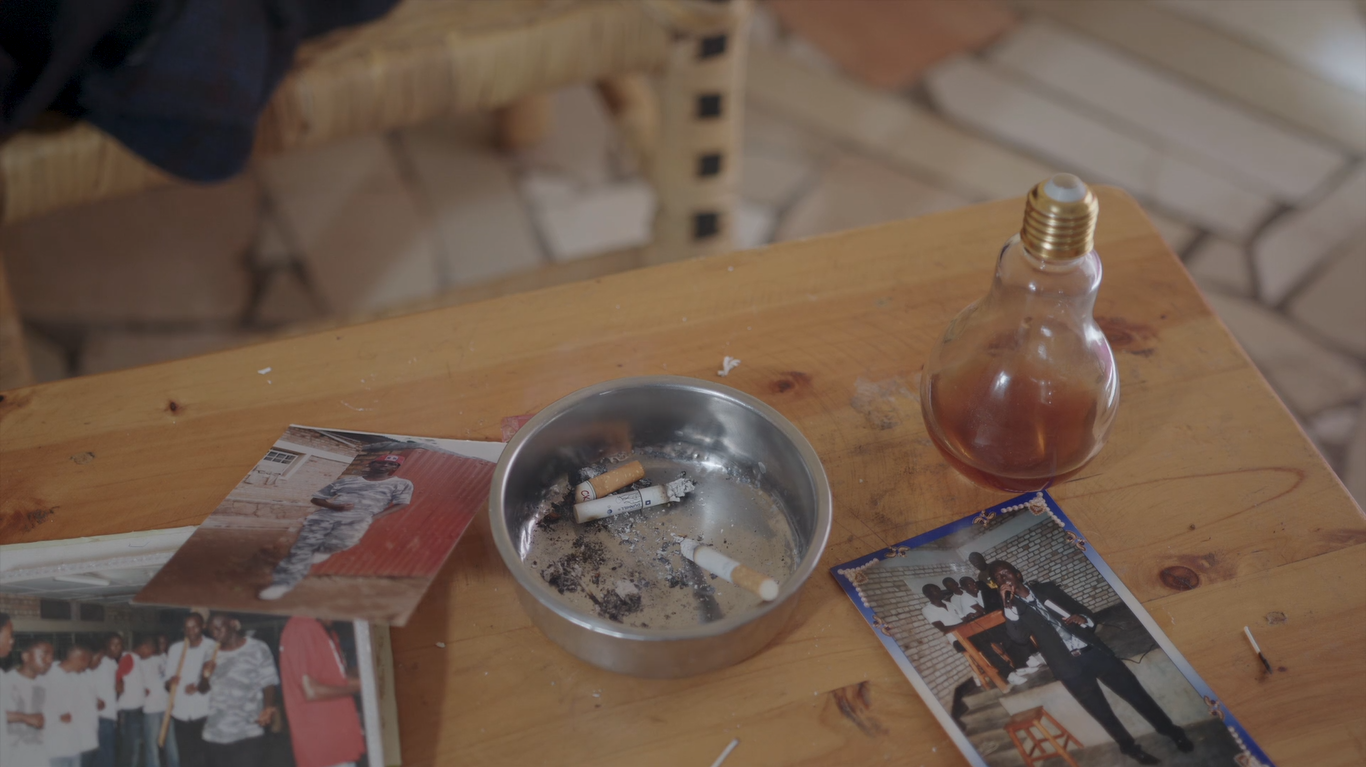
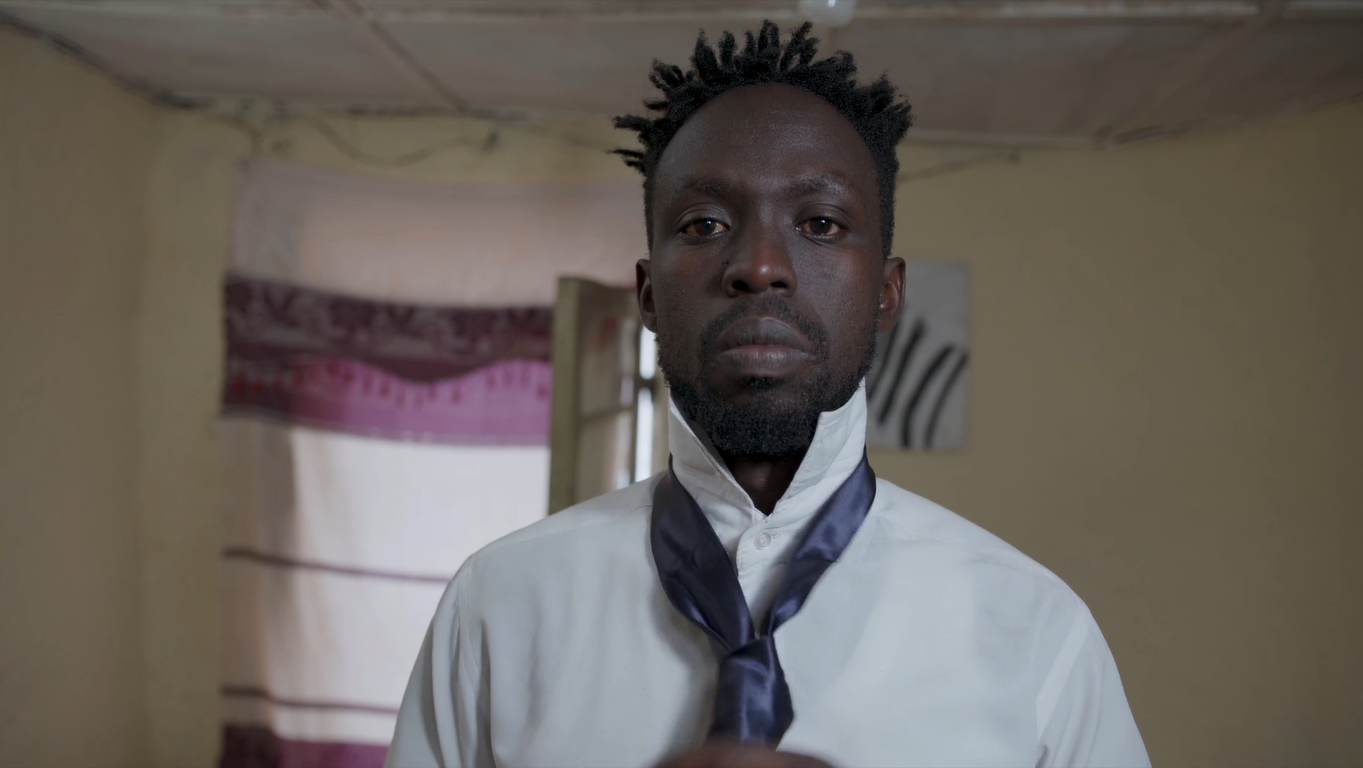
Still from Muzunga
The film also effectively portrays the desperation that comes with forced inactivity. Motari constantly searches for ways to occupy himself—exercising, cleaning his motorcycle, trying on different clothes, attempting to start the bike, and repeatedly moving around the house. Rather than advancing the story, these repetitive actions reveal a man desperately trying to reclaim a sense of purpose and normalcy in a life that has been abruptly interrupted.
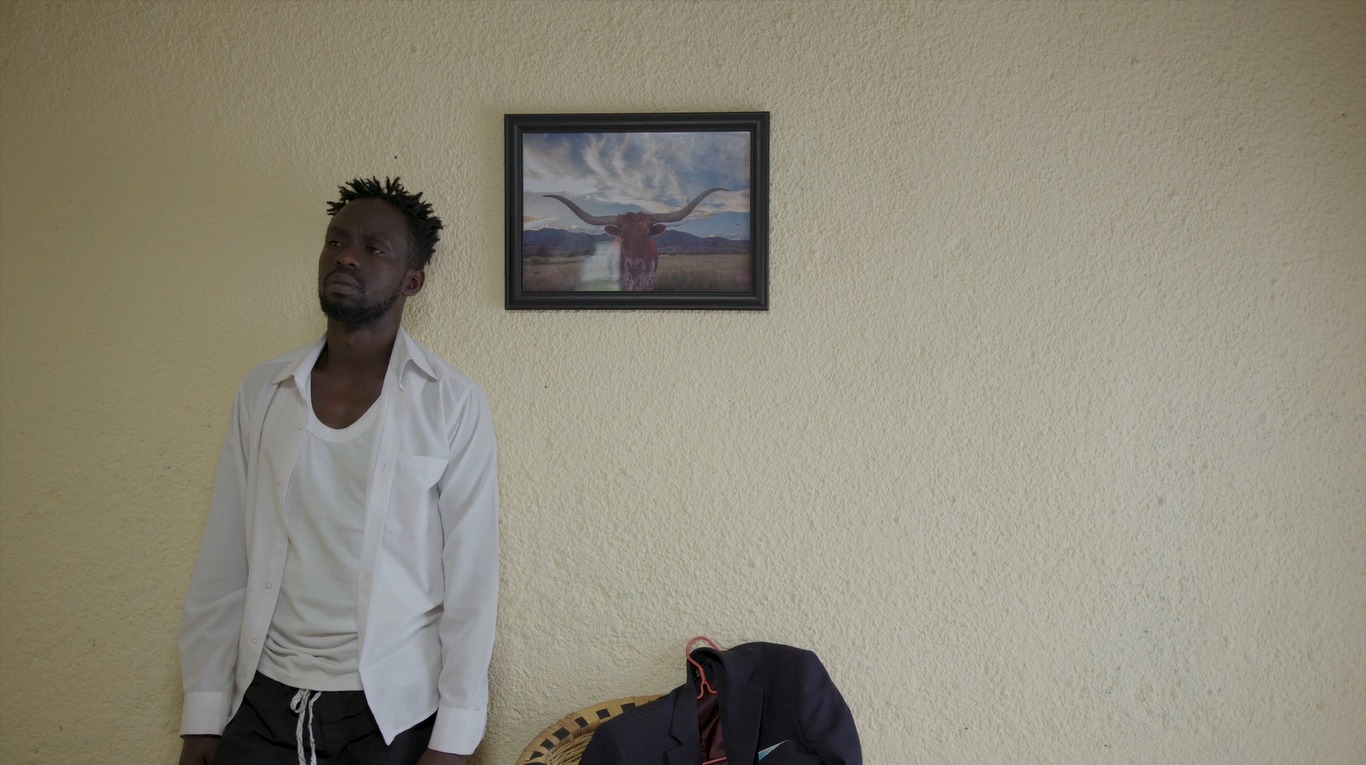
Yves Kijyana delivers a convincing and emotionally raw performance as Motari. Through subtle facial expressions, body language, and long stretches of silence, he communicates the weight of isolation with remarkable authenticity. His performance makes Motari’s emotions feel deeply genuine and allows the audience to empathize with his growing frustration.
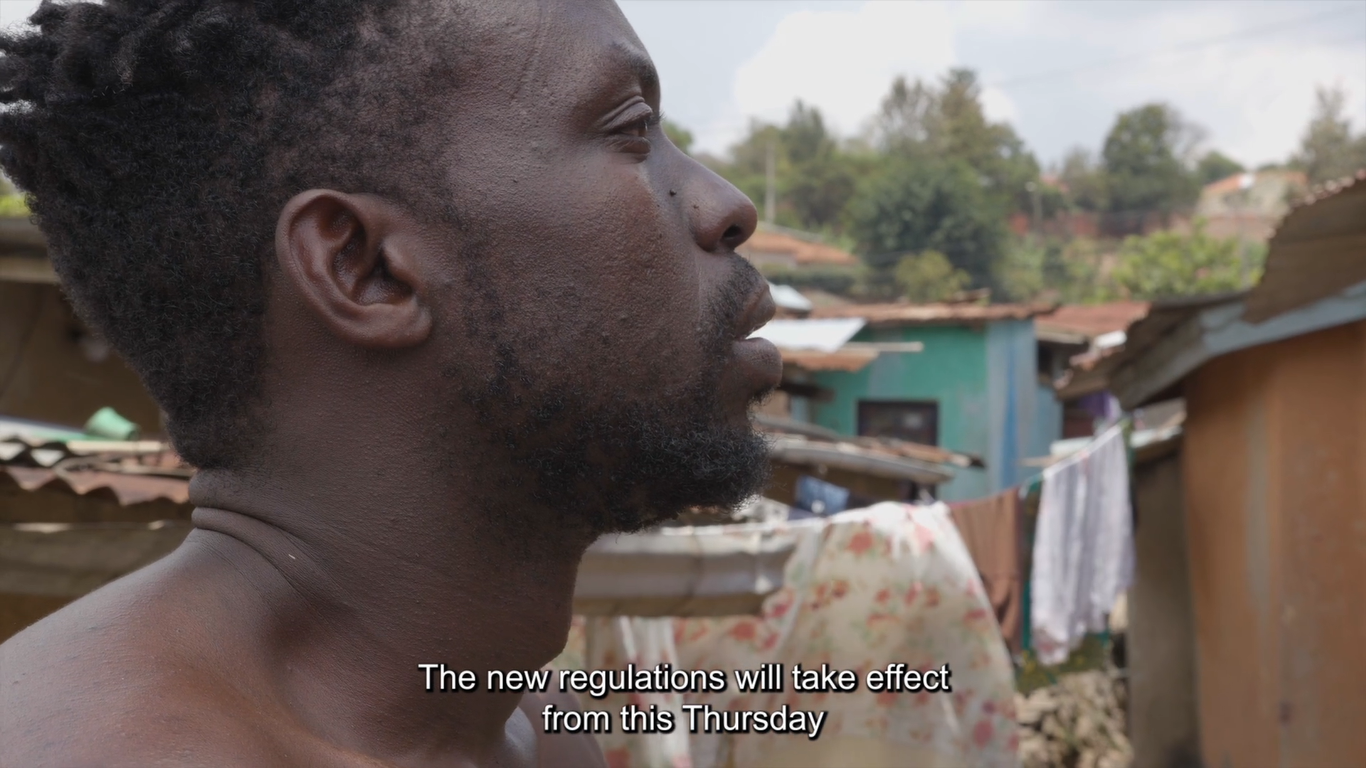
Still from Muzunga
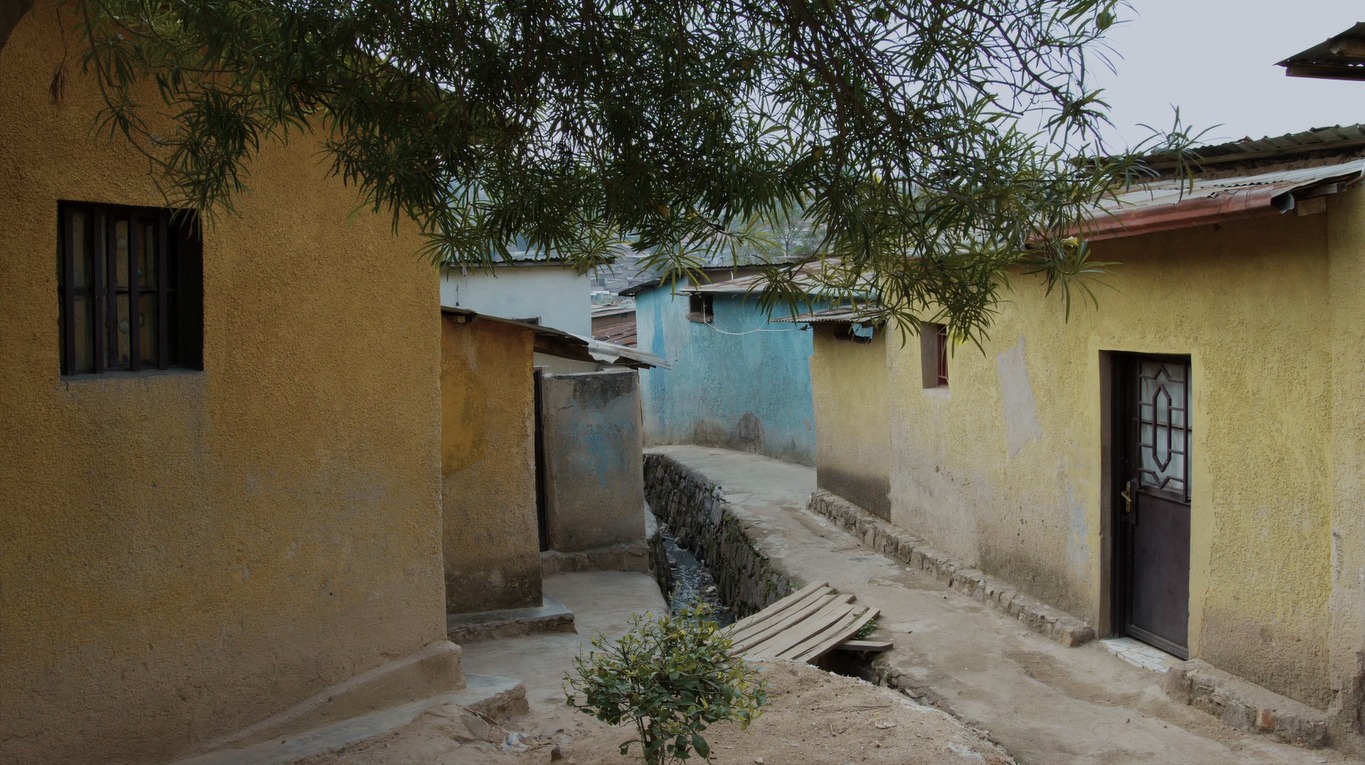
The film’s production design and costume work quietly strengthen its realism. Motari’s modest home and the surrounding neighborhood feel authentic and lived in, reflecting his socioeconomic reality without exaggeration. Even before the story enters his house, the establishing shots ground the film in a believable environment. His wardrobe is equally thoughtful: his work attire reinforces his identity as a motorcycle taxi rider, while his simple clothes at home emphasize the abrupt shift from an active working life to the stillness of confinement.
still from Muzunga
The film’s technical strengths extend beyond its production design. Its cinematography, sound design, and editing work together to represent Motari’s internal struggle, allowing viewers to experience his isolation rather than simply observe it.
Throughout Motari’s confinement, unsettling whispers and layered voices linger beneath many scenes, creating a persistent sense of psychological unease. Rather than functioning as literal sounds, they feel like echoes of his growing anxiety and mental exhaustion. One particularly memorable moment comes when the camera lingers on a photograph of a cow while their sounds fill the soundtrack, blurring the line between memory and reality. Together, these sound choices suggest a mind drifting between the present and memories of a life that suddenly became out of reach.
The use of handheld camera work is equally effective. The subtle camera shake creates a feeling of instability and unease, reinforcing the “vertigo” suggested by the film’s title. These visual choices symbolize Motari’s emotional imbalance and growing psychological disorientation as isolation takes its toll.
Despite its strengths, Muzunga is not without its shortcomings. One aspect that could have been explored further is Motari’s relationships with the woman he speaks to during the lockdown and with Nella, who is mentioned more than once throughout the film. Motari’s memories, and the way he looks at the woman when they meet again suggest emotionally significant relationships. Yet the film provides too little context to fully understand their importance. A little more development would have strengthened the emotional impact of these moments.
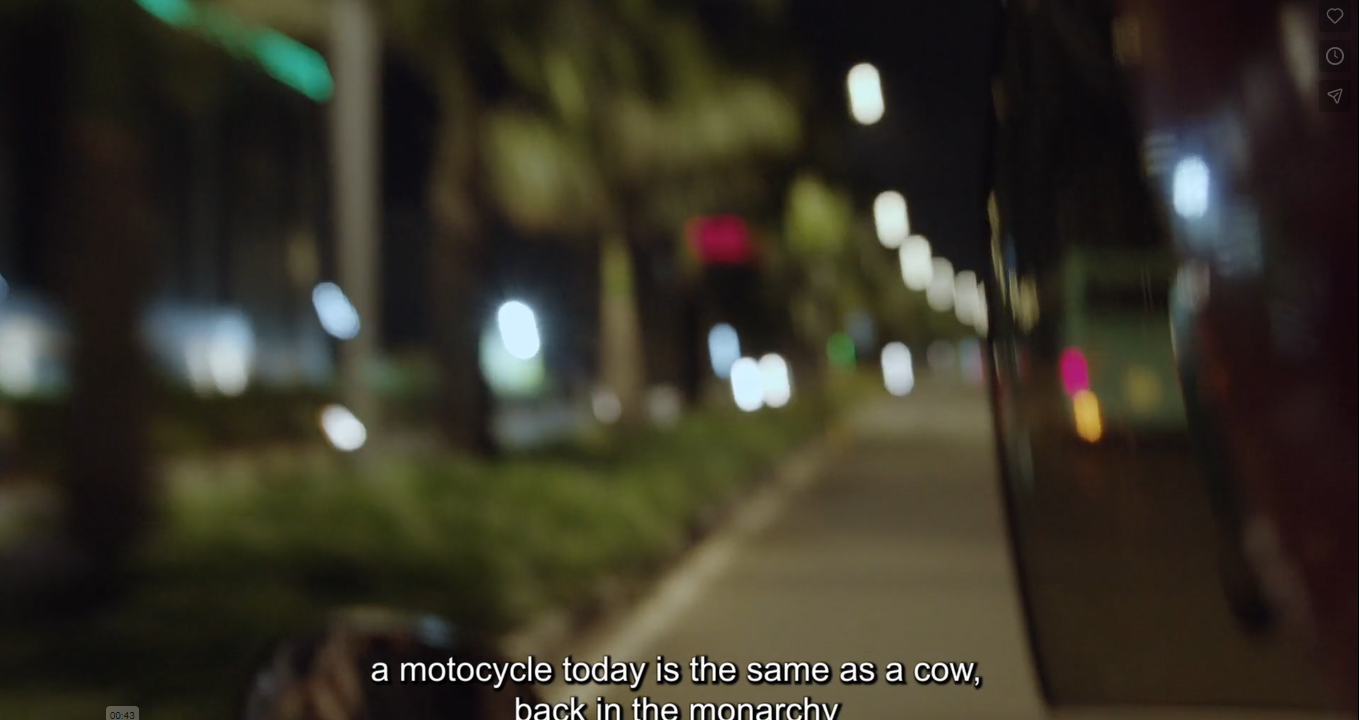
The opening scene also creates a moment of uncertainty. The camera’s position beside Motari on the motorcycle initially suggests that the audience may be seeing the journey from another person’s perspective. It is only moments later that it becomes clear he is travelling alone while talking on the phone. A slightly clearer visual introduction could have established the scene more effectively and avoided this initial misunderstanding.
still from Muzunga
The scene where the supporting character moves her legs while singing also felt visually inconsistent. The framing creates the expectation of movement and dance, yet the reveal lacks the energy the moment seems to promise. A different visual approach—or omitting the shot altogether—might have made the sequence more effective.
Another minor issue lies in the use of the children’s voices after the lockdown has ended. Their inclusion effectively reflects the return of everyday life, but the audio continues well into the following scene, lingering longer than necessary. A cleaner transition would have preserved the moment’s impact while maintaining the film’s otherwise careful pacing.
Overall, Muzunga (Vertigo) succeeds in transforming the stillness of the pandemic into an emotionally powerful experience. Through Yves Kijyana’s compelling performance and Ganza Moise’s thoughtful use of image and sound, the film captures not only the physical isolation of lockdown but also its deeper emotional impact. While some narrative choices leave certain moments underdeveloped, they do little to overshadow the film’s strengths. Ultimately, Muzunga (Vertigo) is a thoughtful exploration of the human experience of isolation and the struggles that often remain unseen.