
Leaving a mark: Nadine Nana’s first step into film production

Iradukunda Nadine, widely known as Nadine Nana, is stepping into a new chapter of her creative journey — one defined not only by growth, but by risk, belief, and a desire to leave something lasting behind.
Already established as an actress, Nana is now making her debut as a film producer, a move she says had long lived in her plans, even if its timing remained uncertain. “Even after debuting in acting, I always knew I wanted to produce,” she explains. “I just didn’t know when.” That moment arrived after years of experience on set and once she had gathered both the confidence and resources to take the leap. For Nana, producing was not simply about creating a film; it was about testing faith — her own and that of her audience. “I see people supporting other projects, so I wanted to see if they would support me too, and if they would love what I give them.”

Beyond ambition, Nana’s decision is deeply rooted in legacy. She speaks openly about wanting to create something tangible that will outlive the moment. “Even if things change, I will have something to show my kids and family and say, ‘This was my idea. I faced challenges, but I did it.’ I’ll have a story to tell.”
That story takes shape in Stain (Icyasha), a one-hour-and-fifty-minute feature film and Nana’s first production. The motivation behind the project, she says, was to contribute meaningfully to Rwanda’s growing cinema industry. “I wanted to put a brick on the Rwandan cinema industry,” Nana explains. “So many people reach out asking for opportunities to showcase their talents. Producing this film was a way to give some of them that chance.” In an industry still finding its footing, Nana believes contribution matters as much as recognition. “It’s still growing, and I believe I can do something for it too.”
Stain tells the story of a young woman whose life is abruptly disrupted by an unplanned pregnancy. After her boyfriend abandons her, she turns to her mother for comfort — only for her mother to fall ill and die from shock. What follows is a painful rejection by her family, who blame her for her mother’s death and label her a burden — a “stain.” Pregnant, grieving, and isolated, the young woman struggles to survive while carrying both a child and a deep sense of guilt. Her journey eventually leads her to a family that offers care and dignity, and, after years of hardship, to a long-awaited reunion with her father.
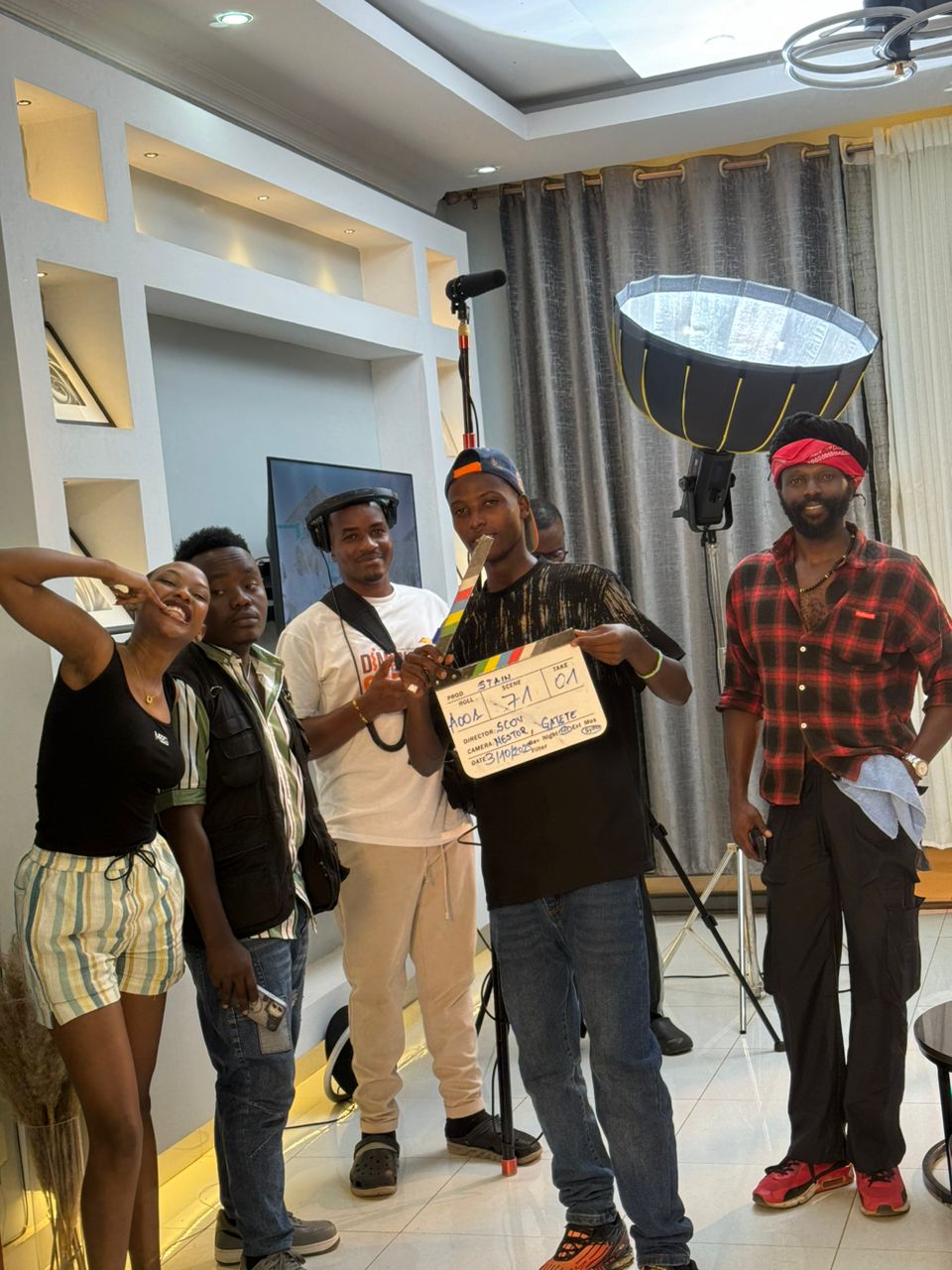
Nana chose this story deliberately. “Nowadays, some parents abandon their daughters after an unplanned pregnancy,” she says. “Yet that is exactly when a child needs someone to listen and support her.” Through Stain, she hopes to challenge judgment and rejection within families, warning that abandonment can push young women toward depression, drug addiction, or even death. “If families choose to listen and support their children, life can continue,” she adds. “She can still live a normal life if she is supported.”
Stepping into production also meant embracing a role filled with responsibility — particularly as a woman navigating a demanding industry where producers are often expected to carry both creative and logistical burdens. Nana quickly learned that producing differs greatly from acting. “As an actress, there’s always someone taking care of your costume, props, and everything you need,” she explains. “As a producer, I had to handle all of that myself.” The role required financial commitment, constant decision-making, and full accountability for the production’s success. “It’s a lot more responsibility compared to acting.”
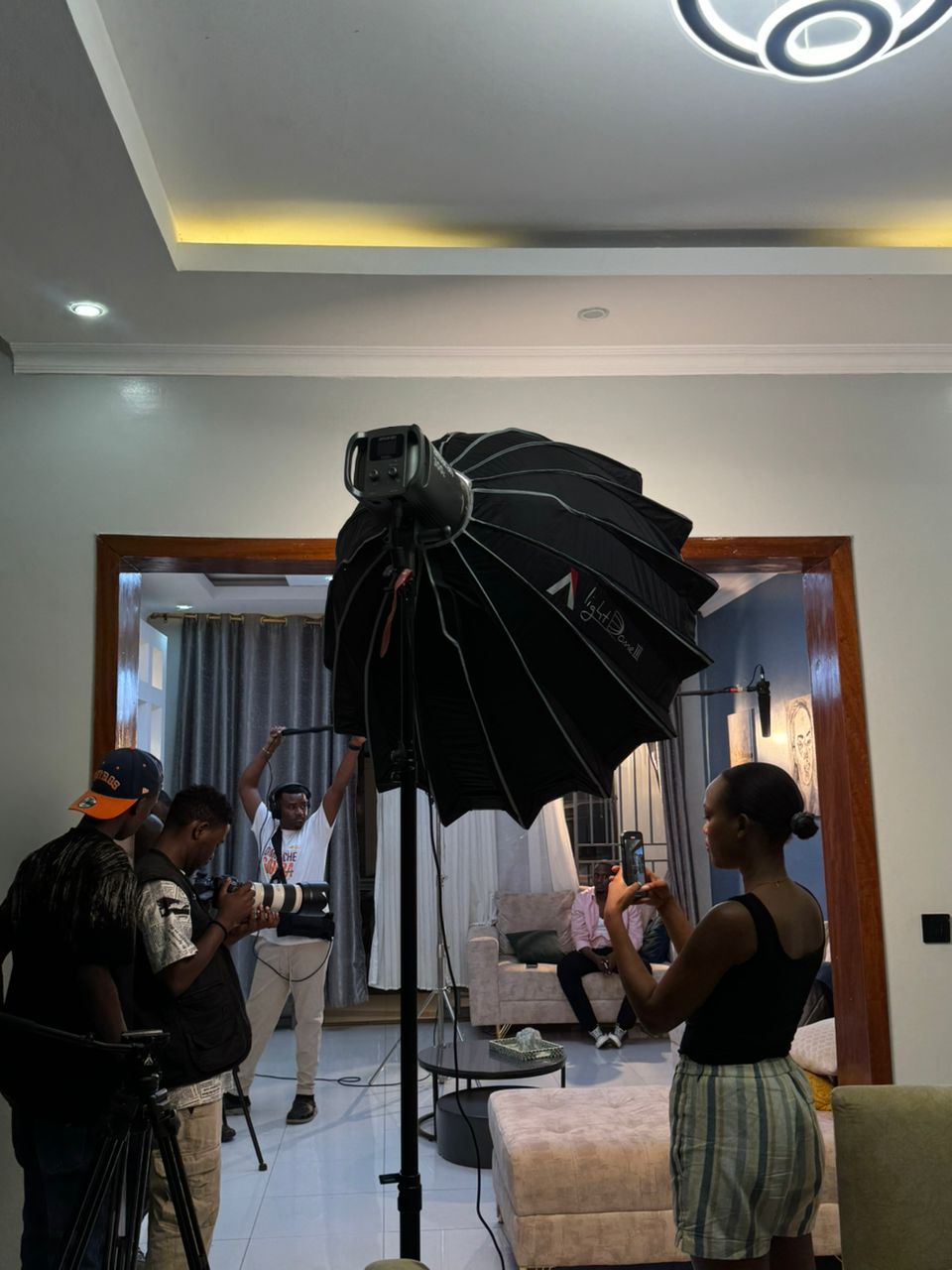
Despite the pressure, Nana says she never reached a point of wanting to quit. “I was sometimes afraid, but I was mentally ready before starting.” Still, challenges were unavoidable — especially those beyond her control. Weather became one of the biggest obstacles. “Depending on the scene, you can’t shoot in the rain,” she says. “If you plan one day for a location and it turns into two, the expenses double — food, transport, locations, everything.”
The experience left Nana with valuable lessons. Time management stood out most clearly. “If time catches you while you still have scenes left, you have to come back the next day and spend the same money again,” she explains.
The process helped her understand the true importance of discipline and punctuality on set. Patience and perseverance followed closely. “There are moments that can make you angry or bring bad energy,” she reflects. “But you have to focus on your goals and never give up.”

When asked how she defines the stage she is currently in, Nana speaks with honesty rather than certainty. “This stage is difficult,” she admits. “You can fail and go down. It’s scary, waiting to hear people’s feedback.” Yet she draws strength from those around her. “I’m grateful to be surrounded by people who were willing to help and who had experience. I don’t know what will happen, but I’m trying my best to do the best.”
As the journey of Stain reaches completion, Nana expresses deep gratitude to everyone who helped turn an idea into a finished film ready for release. She thanks her cast and crew for their commitment and belief in the project, including Saranda Mutoni, Ariane Vanessa, Shemaryimanzi Dwayne, Gatesi Divine Kayonga, Adeline, who played her mother, director Rukundo Jules, sound recorder Karemera Philemon, gaffer Maniraguha Vincent, Wayeem Mizero, Clenie Dusenge, Frank KANYAMURERA, Simon Pierre Isingizwe, Bertin, and all those who played a role in bringing the film to life.
Above all, Nana extends heartfelt thanks to her mother and to God. “I don’t know how I can thank my mother enough for her support,” she says. “She was always calling, checking on me, making sure everything was going well. And God — because nothing is possible without His support.”
With Stain, Iradukunda Nadine does more than debut as a producer. She claims her space, tells a difficult but necessary story, and adds her voice to a cinema industry still being shaped — brick by brick — by courage, resilience, and stories that demand to be heard.