
- Home
- Events
- Kigali Cine Junction: Four Years of Bringing Films Home and Building Rwanda’s Film Community
Kigali Cine Junction: Four Years of Bringing Films Home and Building Rwanda’s Film Community
For years, Rwandan filmmakers have shared their stories with international audiences through festivals around the world. Kigali Cine Junction was created to close the gap between those films and audiences at home, giving Rwandans a place to watch, discuss and engage with the stories created by their own filmmakers.
Founded by Rwandan filmmakers in 2023, the festival has grown into a meeting point where audiences, local filmmakers and international guests come together to celebrate cinema, exchange ideas and explore future collaborations.
On Wednesday, Kigali Cine Junction officially opened its fourth edition in Kigali, beginning five days of screenings, masterclasses, panel discussions and industry conversations featuring filmmakers from Rwanda and across the world.
In only four editions, the festival has expanded from a small gathering of around 600 attendees into Rwanda’s largest film festival by audience size, now attracting approximately 2,400 people. Its organising team has also grown from 15 members in its first edition to 92, while the programme has expanded from 12 films to more than 30, supported by over 20 partners.
The growth reflects not only the expansion of the festival itself but also a growing interest among Rwandans in experiencing cinema collectively—watching films together, discussing them and connecting with the people who create them.
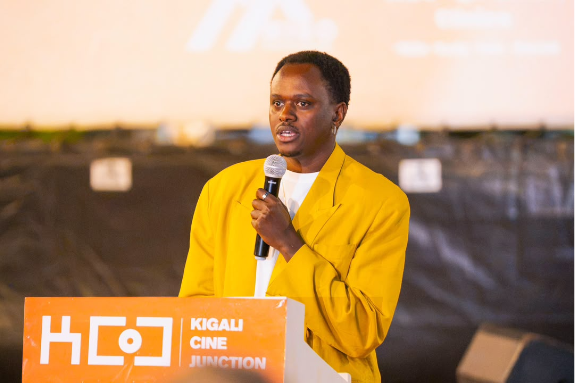
Speaking during the festival’s opening press conference on July 22, Artistic Director Philbert Aimé Mbabazi Sharangabo recalled the idea that led to Kigali Cine Junction’s creation.
“KCJ started in 2023, created by Rwandan filmmakers. Filmmakers had been taking their films outside Rwanda, and they realised they needed a platform where those films, alongside outstanding international cinema, could be seen here at home,” he said.
“In short, it is a meeting place for the discovery of cinema.”
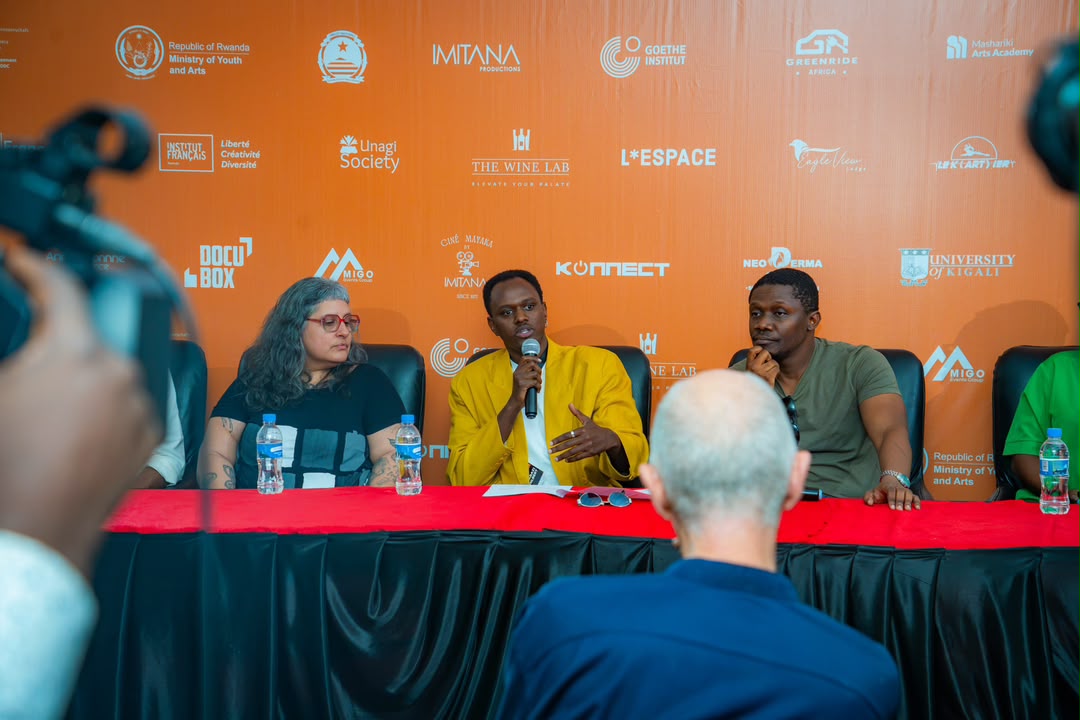
Sharangabo explained that bringing filmmakers and audiences together remains at the centre of the festival’s mission.
“We bring international filmmakers and film professionals from different backgrounds, and this is also a key pillar of our festival,” he said. “Another part of the festival is capacity building, gaining knowledge and skills from different places. That is why we have workshops, panel discussions, masterclasses and networking events for the industry to connect and create collaborations.”
A Festival Expanding Its Creative Vision
The fourth edition of Kigali Cine Junction introduces new elements while continuing its focus on connecting audiences, filmmakers and industry professionals.
This year’s programme places a special focus on genre cinema, exploring how filmmakers reinterpret genres such as action, drama and thriller through their own creative perspectives.
According to Sharangabo, the festival is interested in filmmakers who use genre not only as entertainment but also as a way to express their own ideas and experiences.
For the first time, the festival has also introduced a dedicated lounge where audiences, filmmakers and industry guests can continue conversations after screenings.
The addition supports one of Kigali Cine Junction’s main goals: creating a space where cinema does not end when the credits roll, but continues through discussions and connections between people.
International exchange remains another important part of this year’s programme.
The festival welcomes members of Nigeria’s Surreal 16 Collective, founded by filmmakers C.J. “Fiery” Obasi, Abba T. Makama and Michael Omonua. The group will lead a masterclass exploring their creative approach and experiences in filmmaking.
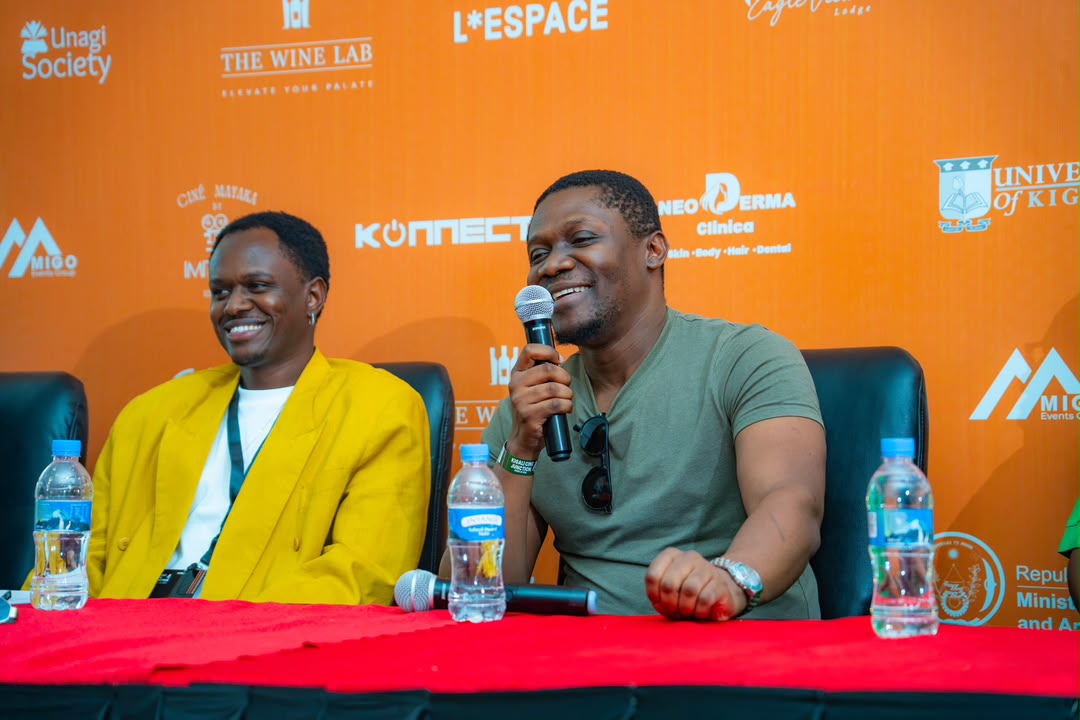
Filmmaker C.J. Obasi(Speaking)
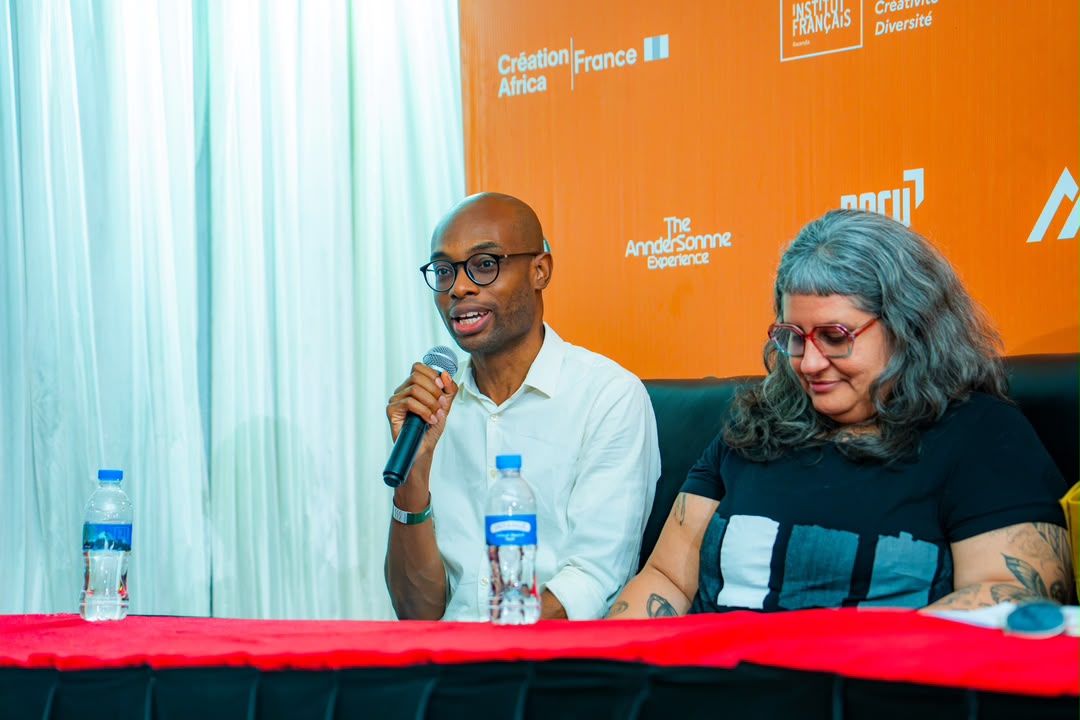
Filmmaker Michael Omonua(speaking)
The festival will also host American producer Paul Garnes, President of ARRAY Filmworks and producer of films including Selma and Origin, for a producing masterclass.
His participation highlights one of Rwanda’s current industry conversations: while the country has many directors, strengthening the producing side of filmmaking remains a challenge.
“Rwanda has many directors, but not enough producers,” Sharangabo explained. “Many directors end up producing their own films, yet producers are essential to moving the industry forward.”
The programme also welcomes Brazilian festival director Ana Camila Esteves, whose work connecting African cinema with Brazilian audiences brings another perspective on how African films can travel, reach new viewers and create international partnerships.

Brazilian festival director Ana Camila Esteves(Speaking)
Opening Kwibuka and the Growing Audience for Cinema
Following the press conference, Kigali Cine Junction officially opened with a performance by LE KARTIER, before audiences gathered for the festival’s opening film, Kwibuka, directed by Belgian-Rwandan filmmaker Jonas d’Adesky and starring Sonia Rolland.
The film follows Lia, a Belgian-Rwandan basketball player who returns to Rwanda to represent the national team, forcing her to confront memories from the past.
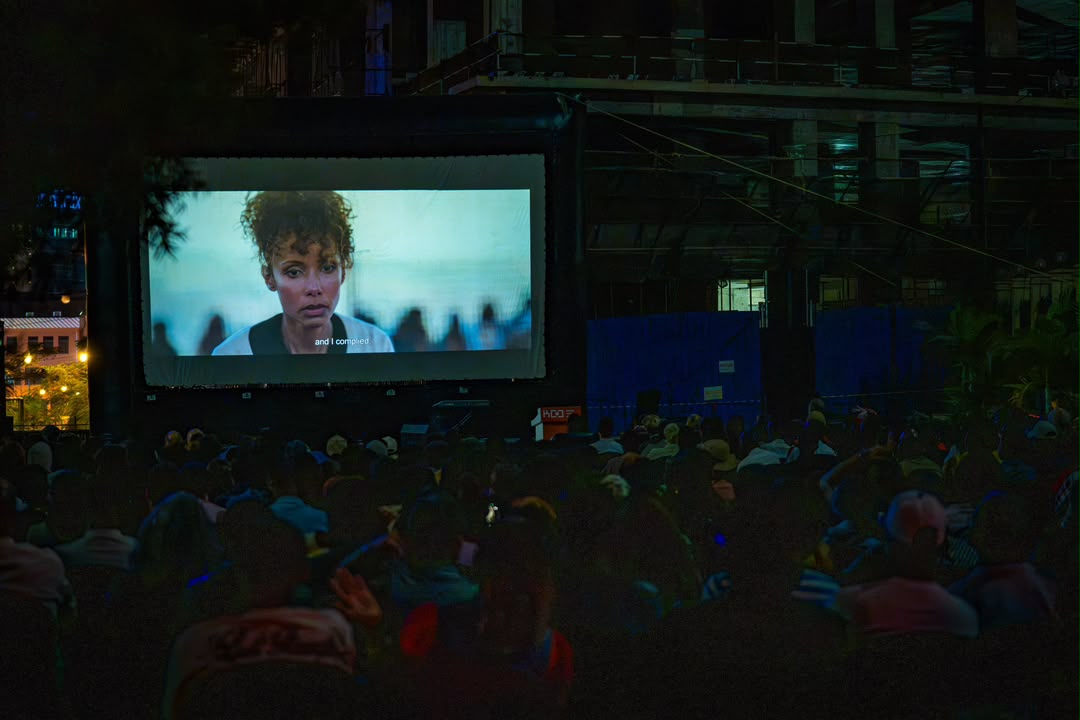
Selecting Kwibuka as the opening film carried a deeper meaning. He said the production represented the progress of Rwanda’s film industry, as much of the film was created by a Rwandan crew.
“It shows how much the industry has grown. We don’t always have to bring people from outside to make films here.”
The atmosphere at the opening ceremony reflected the festival’s growth. The screening attracted a full house, with every seat occupied and some attendees standing throughout the film after there was no more space available.
Speaking to Cinemag, several audience members said the festival provides an experience that is difficult to replicate when watching films alone at home. They described gathering together, discussing films and exchanging ideas as one of the festival’s biggest strengths.
For them, Kigali Cine Junction represents a space where audiences can discover films, meet filmmakers and become part of conversations around cinema.
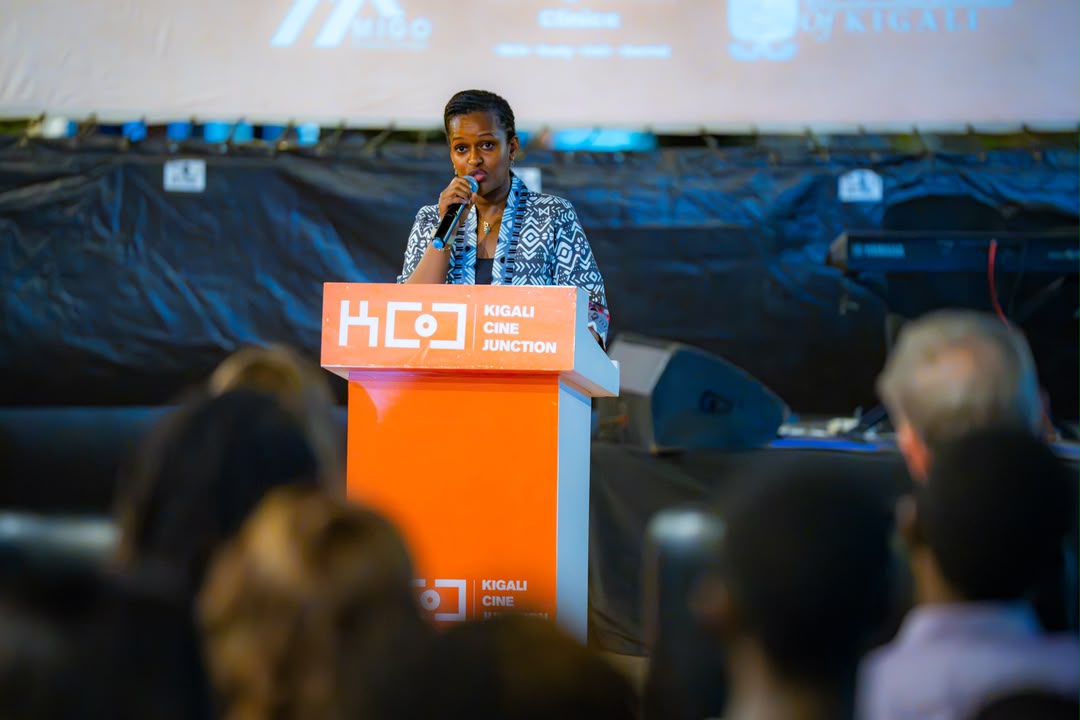
Sandrine Umutoni, Minister of State for Youth and Arts was present
In an exclusive interview with Cinemag after the opening ceremony, Sharangabo reflected on the festival’s growth and admitted that the current scale of Kigali Cine Junction was beyond what the team imagined when they started.
“When we started the festival in 2023, we had an ambition, but you don’t always know what will happen. You start it hoping that it will grow, but because of the challenges, we didn’t really know that in the fourth year we would be where we are today.”
He credited the festival’s progress to the dedication of the organising team, along with support from government institutions, cultural organisations, embassies and partners who continue to contribute to the festival.

Looking back at the opening night, he said the audience response was one of the most encouraging signs of the festival’s development.
“There were 350+ people, some didn’t even have where to sit. This is very good, and we didn’t expect this to happen in the fourth year,” he said.
Sharangabo thanked the audience members who attended, saying their presence showed that people are beginning to understand and value the experience of watching films together.
The audience response, he added, reflects a wider conversation about how people engage with cinema with at a time when online content has become increasingly popular.
“People need to differentiate films from content,” he said. “We are in the times where content is popular and films and content are different. Films take time and many things to bring to life, which is different from people thinking that watching films is like scrolling.”
Encouraging Rwandans to Discover Local Films
When asked about the perception that some Rwandans do not always consider local films worth watching, he encouraged audiences to explore different filmmakers and stories.
“There are many different films made by Rwandans. You might not connect with one filmmaker’s work, but you might connect with another’s,” Sharangabo said.
He encouraged audiences to attend Kigali Cine Junction as a place to discover local films, meet filmmakers and engage in conversations around cinema.
“I would invite them to come to Kigali Cine Junction because the films we showcase are those ones that they say are always brought to festivals, and in this time when cinemas are closed, I think that this is the right place to come and watch films, meet and talk with people.”
The festival, he said, is not only about entertainment but also about creating shared experiences around cinema.
“This is not just for entertainment, even though part of it is entertainment. This also helps people grow because there are many subjects. I think this is also good socially because you go out with friends and families, meet people and share conversations.”
A Learning Space for Filmmakers
Beyond bringing audiences together, he believes festivals also play an important role in supporting filmmakers by creating spaces for exchange and professional development.
Speaking about the challenges facing young filmmakers in Rwanda, he noted that while the country does not yet have strong formal cinema education structures, many filmmakers have developed their skills through self-learning and experience.
“We are in a country without strong cinema education, but we do have cineasts who learnt by themselves, self-taught filmmakers who move from one level of knowledge and understanding to another,” he said.
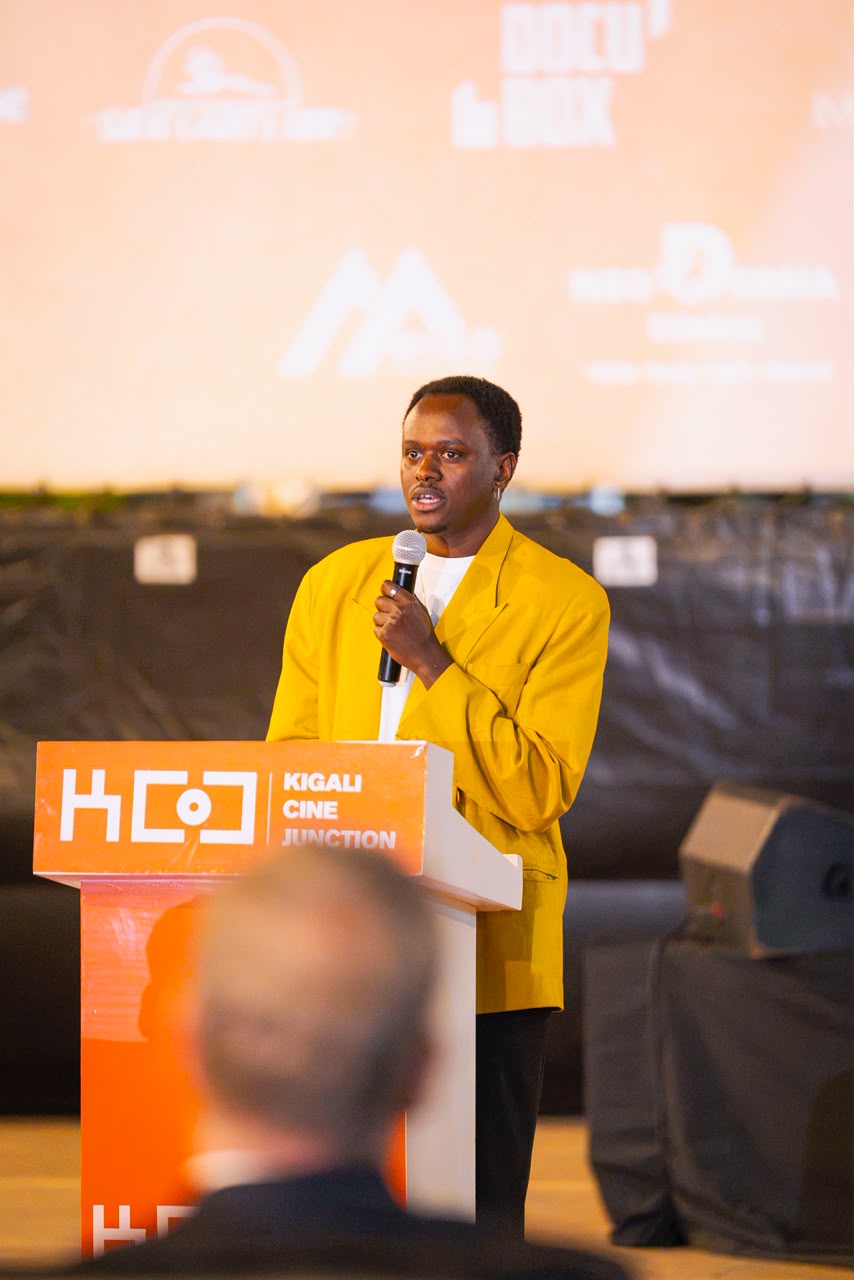
Artistic director Mbabazi Philibert Sharangabo
He encouraged emerging filmmakers to actively seek knowledge from those around them and take advantage of festivals, workshops and film sets as places to develop their skills.
“If you think that you can learn from people, approach them, get close to them and learn from them. Go on sets, workshops, festivals and meet people you can learn from.”
He added that these spaces can also help filmmakers build relationships that may lead to future collaborations.
“If someone from Brazil comes here looking for films for their festival, introduce yourself. Maybe they won’t select your film this year, but perhaps they will next year. That’s networking.”
What African Cinema Needs to Grow
When asked what African cinema needs most to continue developing, Sharangabo pointed to stronger investment, education and support systems for filmmakers.
He argued that African filmmakers should not always depend on international funding and called for governments to create more sustainable support for the industry.
“African filmmakers don’t have to always depend on funds from Europe,” he said. “The industry needs many things, but I think education about films must also be given the same value as other departments.”
He added that talent needs support and development.
“People keep saying acting is talent, but that talent needs to be nurtured.”
Advice to Emerging Filmmakers
While acknowledging that financing remains one of the biggest challenges facing filmmakers, Sharangabo encouraged creators not to wait for major funding before developing their skills. He said many filmmakers begin with limited resources and that the ability to tell a compelling story remains more important than having access to expensive equipment.
“Films are expensive, but lack of funding shouldn’t become an excuse. Many of us started without funding. You can even use a phone and show what you can do. You need to work on your craft because if you don’t show your capacity, equipment is not what will get you there.”
As Kigali Cine Junction continues through July 26, audiences can look forward to more screenings, workshops, masterclasses and conversations featuring filmmakers from Rwanda and around the world.
Since its launch, Kigali Cine Junction has grown from a gathering created by filmmakers into a meeting point for audiences, creators and industry professionals.
The festival set out to bring films home. Today, it is helping build a stronger film community where Rwandan stories can be watched, discussed and celebrated.