
Inside Murmurs from the Wind, Remy Ryumugabe’s award-winning film
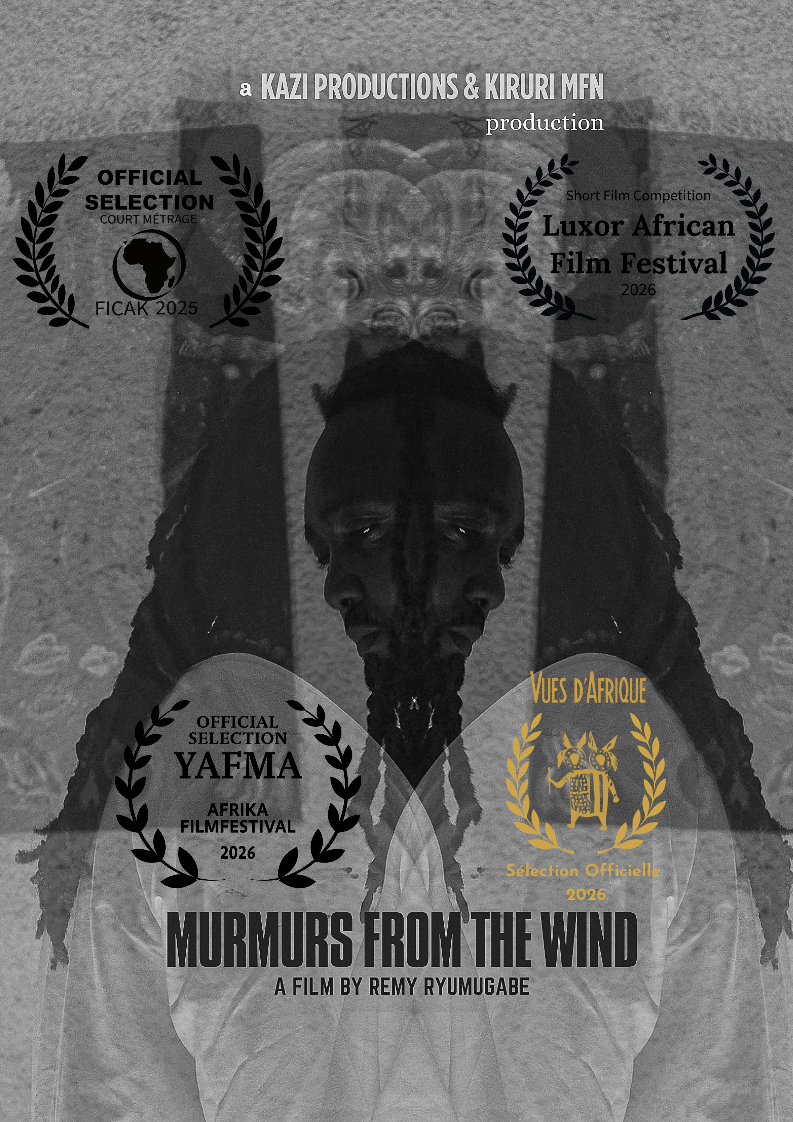
What does it mean to move forward when the past refuses to stay behind?
In Murmurs From the Wind, Rwandan filmmaker Remy Ryumugabe crafts an introspective journey where memory, sound, and image quietly intertwine. Winner of the Best Artistic Contribution at the Luxor African Film Festival, the short film resists conventional storytelling, unfolding instead as a meditation on travel—not only across places, but within the self.

Rwandan filmmaker, Remy Ryumugabe
The work emerges from a deeply personal process. Remy describes it as part of a challenge he set for himself: to create a film each time he travels. “The story itself grew from the thoughts and reflections that came to my mind while traveling,” he explains. In this space between observation and introspection, landscapes and fleeting encounters become mirrors of an inner world.
Yet that inner world is anything but still.
At the center of the film is a character suspended between escape and confrontation. What he runs from is not a place, but himself. The piece explores a psychological tension rooted in trauma, where the past continues to shape the present, and the future remains uncertain. It is a fragile space—one where personal memory and collective history quietly intersect.
Rather than relying on dialogue, the film leans into atmosphere. Layered sound—distant voices, ambient noise, subtle echoes—lingers even in stillness. The character may appear alone, yet he is never truly in silence. Something always speaks—something remains unresolved.
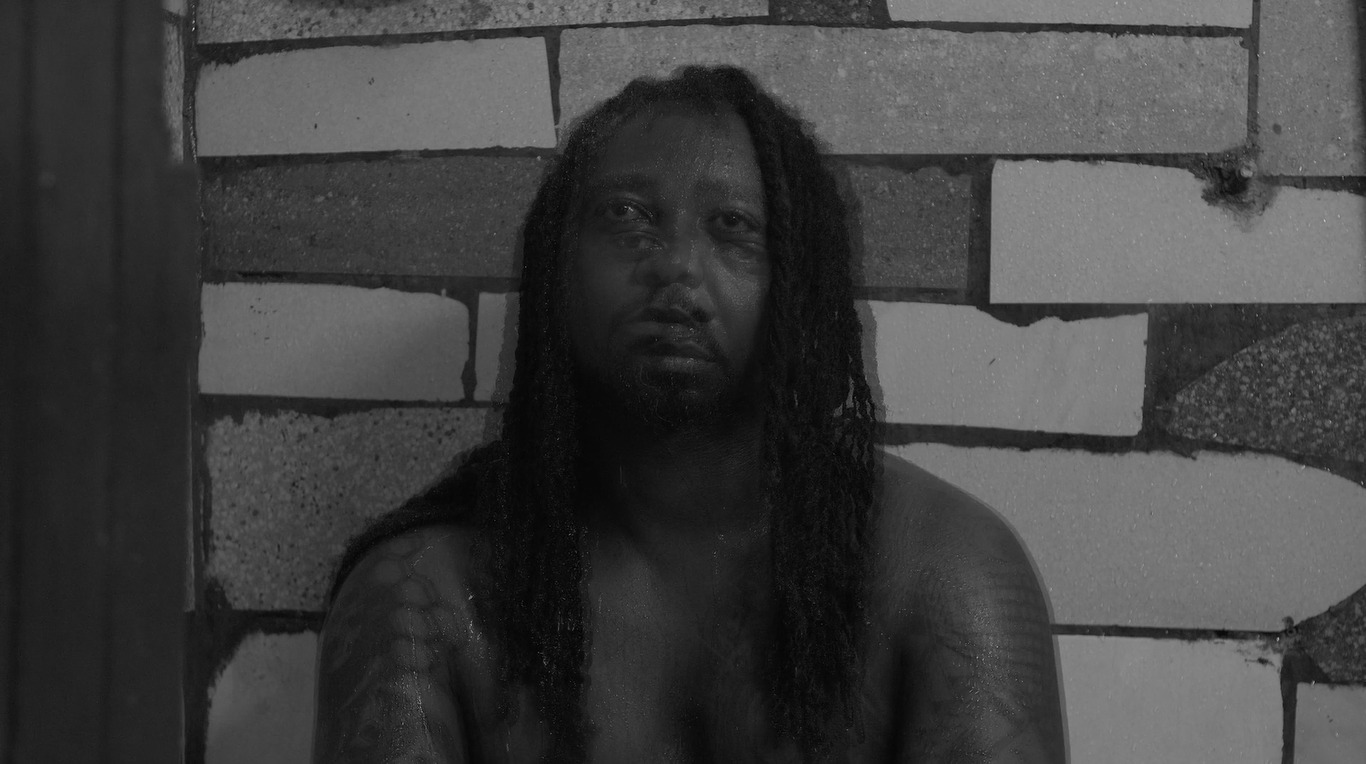
Still from Murmurs from the Wind
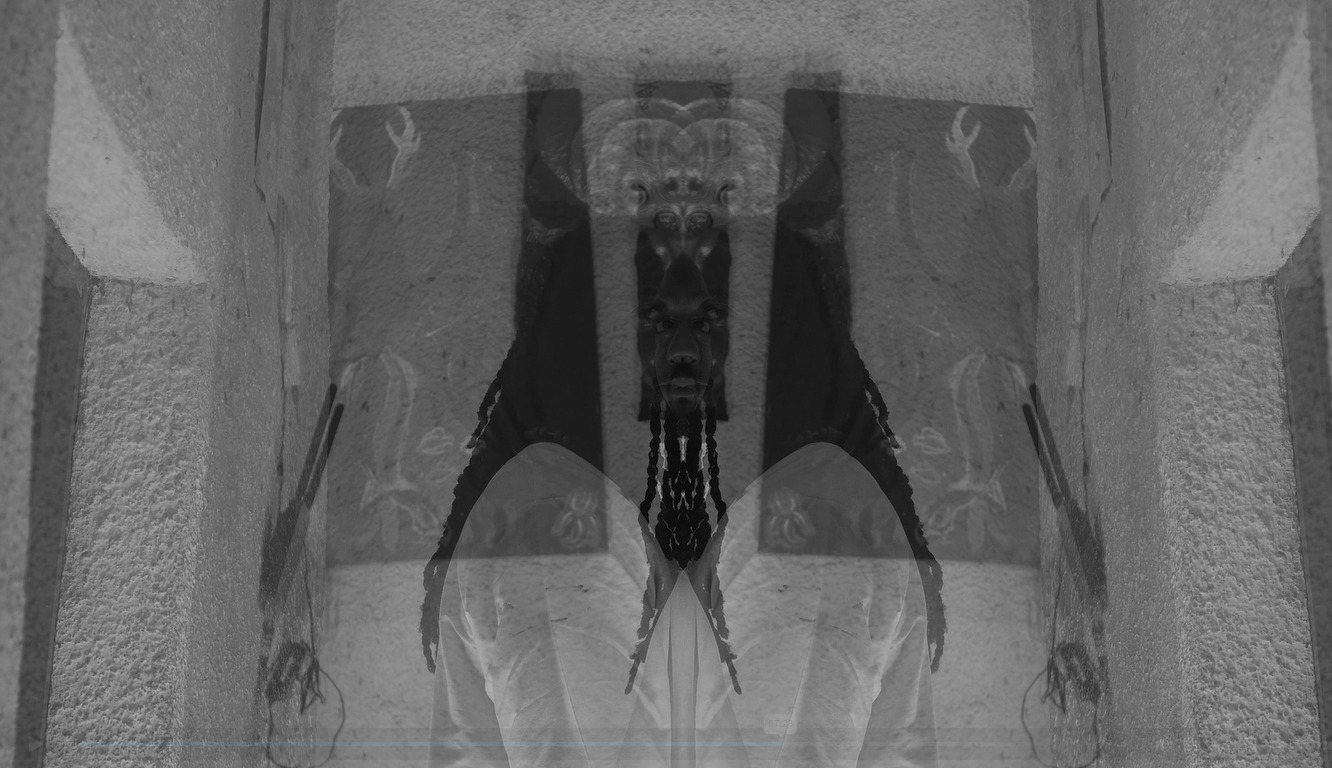
Visually, Murmurs From the Wind embraces fragmentation. Faces dissolve into one another as transitions blur the boundaries between moments, creating a flow where time feels unstable. At times, the image itself fractures—disorienting, almost overwhelming—echoing a mind caught between memory and presence. Close-ups hold on the character’s face, allowing emotion to surface quietly, without explanation.
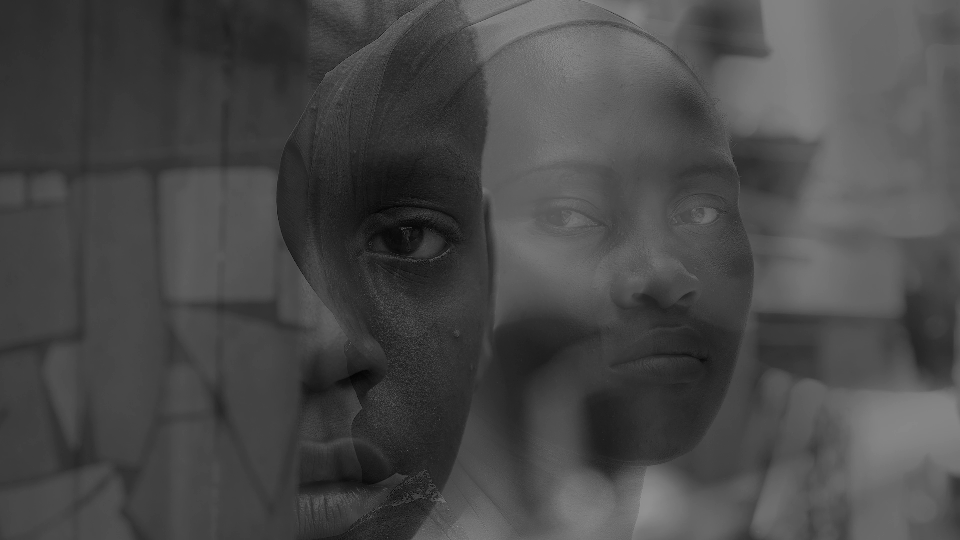
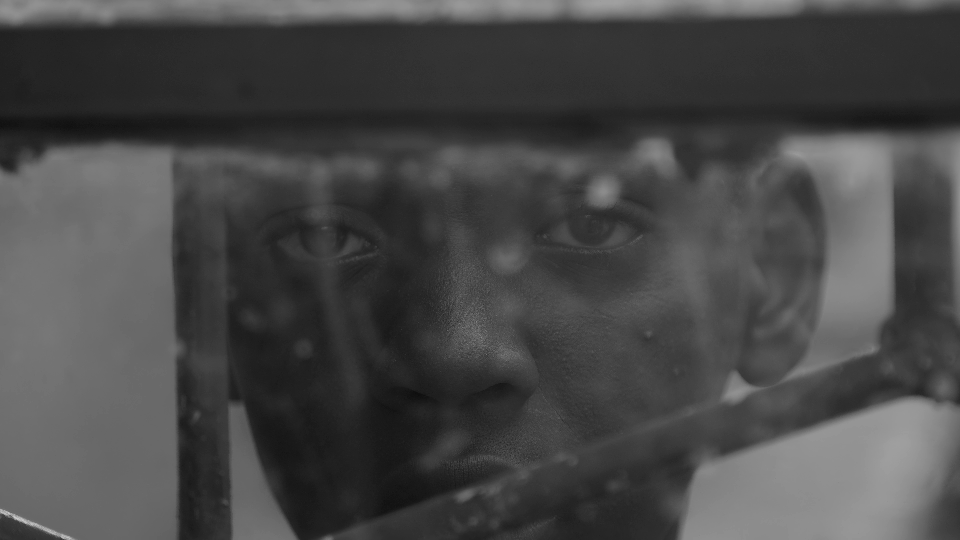
“Rather than explaining his thoughts directly, the images carry the emotional weight,” Remy notes. The character becomes, in many ways, an extension of the filmmaker himself—an alter ego moving through spaces shaped as much by feeling as by reality.
The choice of Luxor as a primary setting deepens this interplay between past and present. The film was created while Remy was in Egypt presenting another work, yet the location becomes more than circumstance. “Luxor is a deeply historical place, where the past constantly exists within the present,” he explains.
That coexistence mirrors the film’s emotional core. Just as the city holds traces of ancient histories, the character moves through a present shaped by memory, unable to separate what has been from what is. The setting does not simply host the story—it reflects it.
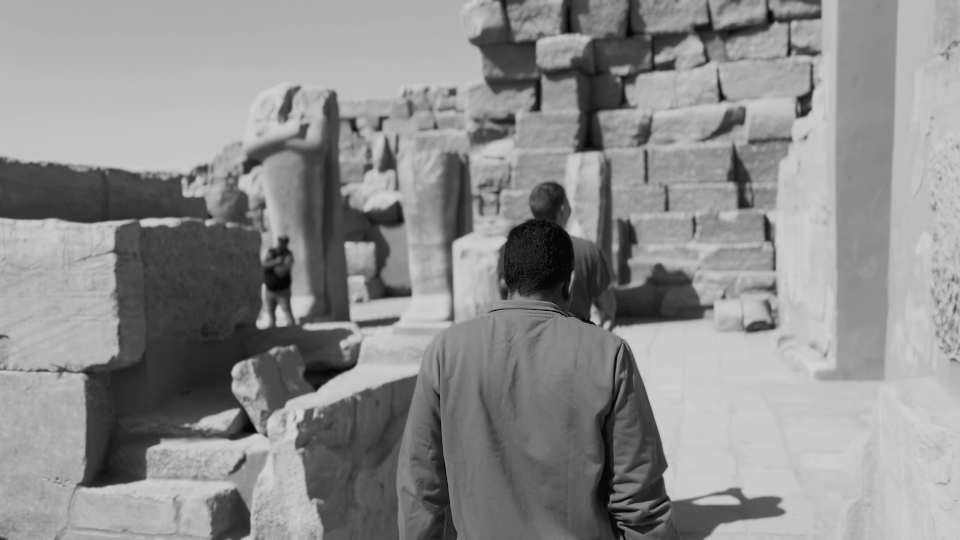
Still from Murmurs from the Wind, filmed in Luxor, Egypt
This immediacy is reinforced by the decision to shoot much of the film on iPhones. Far from a limitation, it becomes part of the film’s language. The approach allows for instinctive, unobtrusive filmmaking—capturing moments as they unfold. For Remy, cinema is less about tools and more about intention, a philosophy that gives the work its raw, intimate quality.
Despite its experimental nature, the film resonated at the Luxor African Film Festival, earning the Best Artistic Contribution award. Remy, however, remains reflective about such recognition, describing his work as part of a series of “personal audiovisual diaries” driven more by exploration than perfection. That honesty—quiet, unforced—may be exactly what gives the film its power.
Yet Murmurs From the Wind does not seek to impose meaning. It opens a space.
“I’m simply sharing an audiovisual experience,” Remy says, leaving interpretation to the viewer. Each encounter becomes personal, shaped by one’s own memories and emotions.
In the end, the film lingers not as a story fully told, but as a feeling—fragmented, intimate, and unresolved. Like the wind it evokes, it moves through the unseen, carrying echoes of what was, what is, and what refuses to fade.