
Inside Kane Parsons and Curry Barker’s Box Office Breakthrough
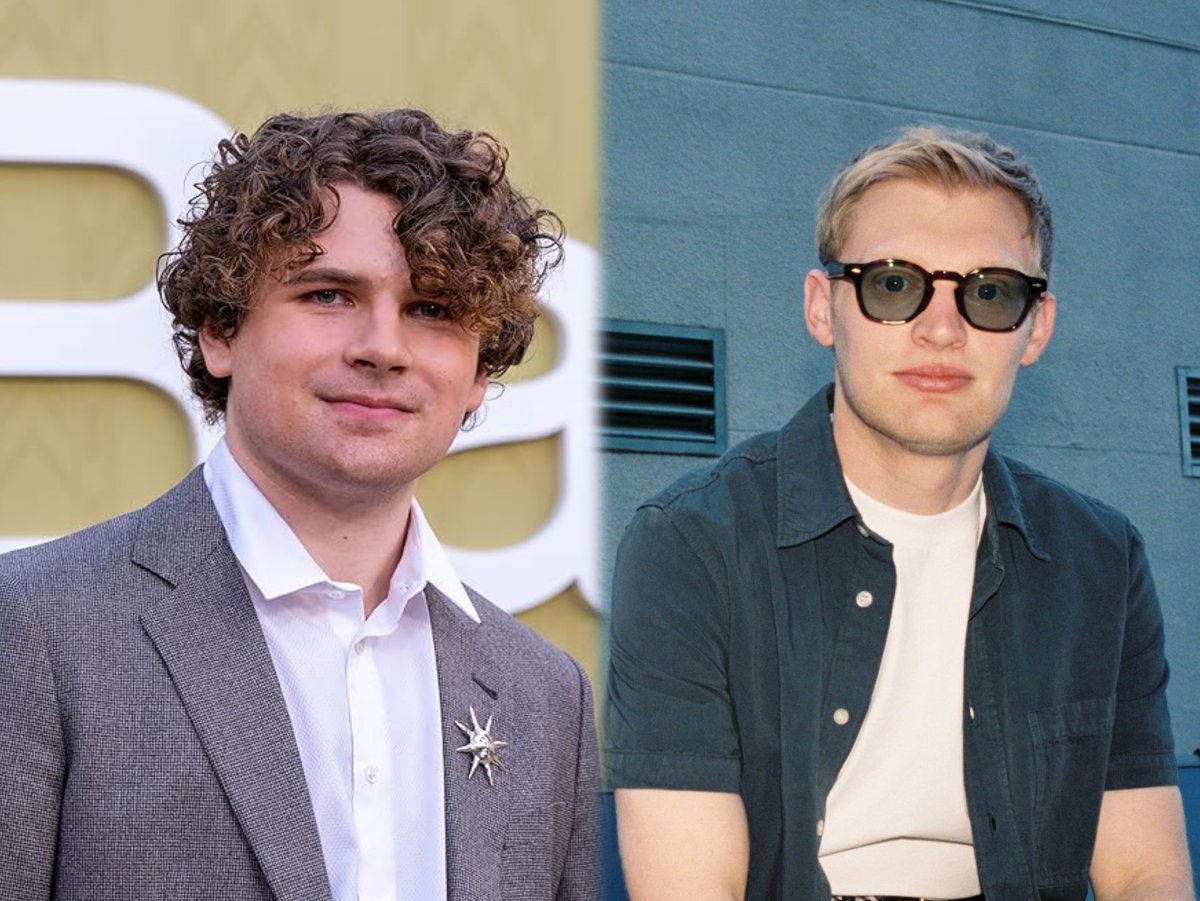
In 2024, Curry Barker released a feature-length horror film reportedly made for around $800 on YouTube for free. Two years later, he and 20-year-old filmmaker Kane Parsons became two of the most talked-about names at the box office.
Parsons’ record-breaking Backrooms debut arrived just weeks after Barker’s Obsession proved that creator-driven films could sustain major theatrical success. Together, the two filmmakers have become central figures in the growing “YouTube-to-Hollywood” movement.
From YouTube Horror to an A24 Box Office Breakout
Before Hollywood knew his name, Kane Parsons had already built a massive audience online under the name Kane Pixels.
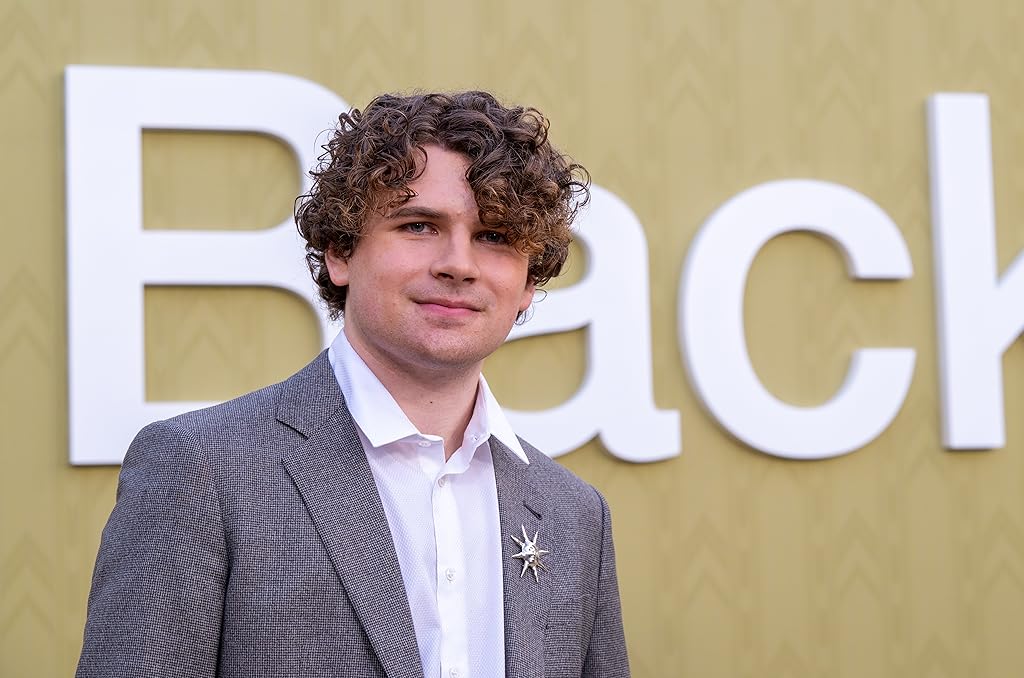
At just 16 years old, Parsons began creating found-footage horror videos inspired by The Backrooms, the viral internet horror phenomenon. His short film The Backrooms (Found Footage) exploded online, earning tens of millions of views and establishing him as one of the internet’s most recognizable young horror creators.
His feature adaptation of Backrooms, backed by A24 alongside horror powerhouses Atomic Monster and Blumhouse, became a major theatrical success. At just 20 years old, Parsons reportedly became the youngest director to secure the #1 movie at the domestic box office.
The film opened to approximately $81.5 million domestically, marking one of the biggest openings in A24 history.
From an $800 YouTube Film to a $100 Million horror
Curry Barker followed a very different path.
Known online for his sketch and suspense-driven content through That’s a Bad Idea, Barker developed his filmmaking style independently on YouTube alongside creative partner Cooper Tomlinson, who co-founded the channel and co-starred in Milk & Serial.
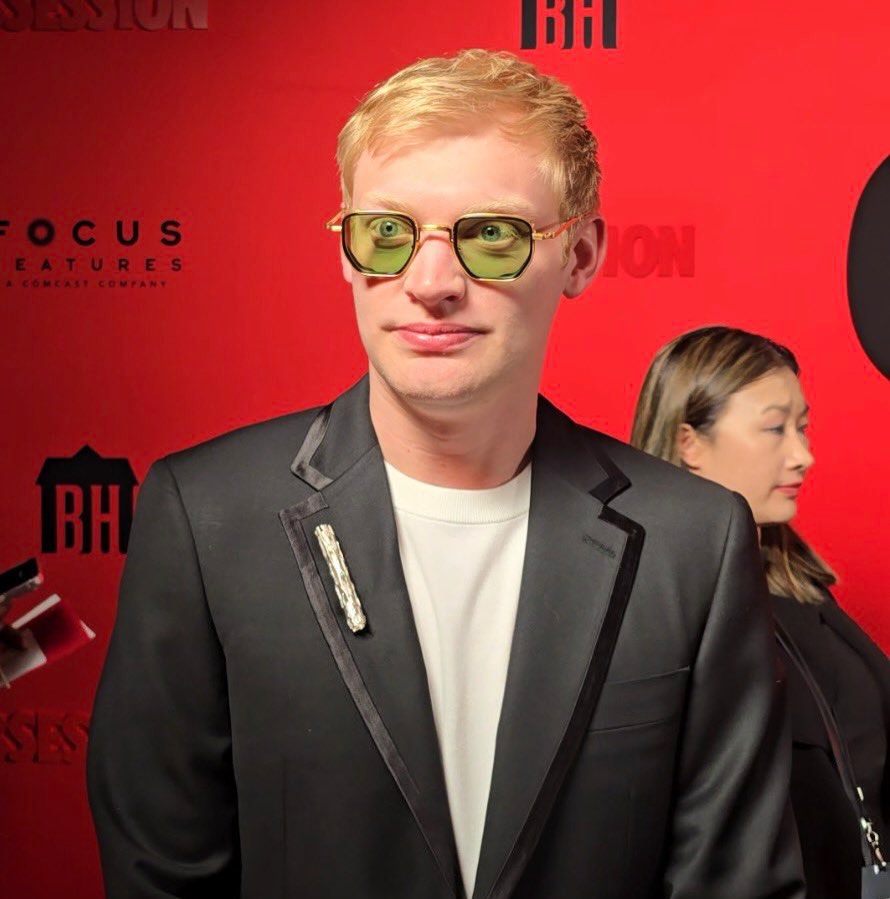
His breakout project, Milk & Serial (2024), was reportedly made for around $800 using consumer-grade equipment and uploaded to YouTube for free rather than released traditionally. The film quickly gained attention online and helped Barker secure representation with Hollywood talent agency UTA.
While Parsons transitioned directly into a major theatrical release through A24, Barker’s rise came through self-distribution and grassroots online momentum, turning Milk & Serial into a calling card for his filmmaking career.
That momentum carried into Obsession, Barker’s psychological thriller that crossed $100 million worldwide during its theatrical run.
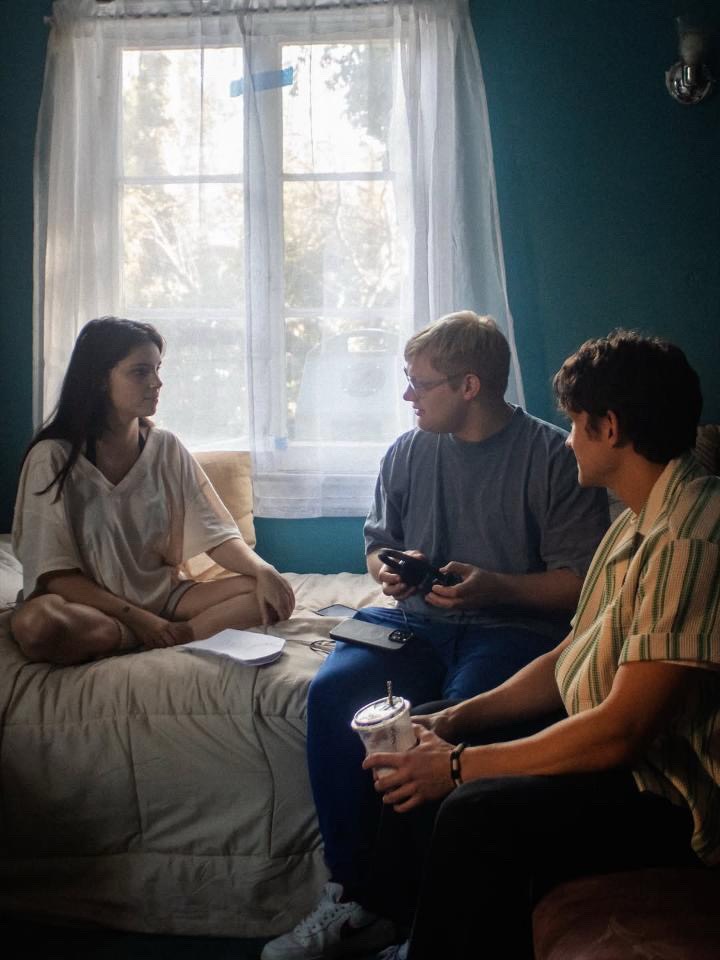
The film’s performance stood out because of its unusually strong word-of-mouth success, continuing to grow in theaters weeks after release.
The rise of Parsons and Barker reflects a major shift in how new filmmakers are emerging.
Instead of relying entirely on traditional industry systems, both creators built audiences online first. By the time they entered theatrical filmmaking, they already had loyal fanbases, established creative identities, and years of hands-on production experience.
Their success also highlights the growing influence of low-budget filmmaking in modern cinema.
Barker’s Obsession, made on a reported budget of around $750,000, went on to cross $100 million worldwide during its theatrical run.
Meanwhile, Parsons’ Backrooms, produced for approximately $10 million, delivered one of the biggest openings in A24 history with more than $118 million globally within its early release period.
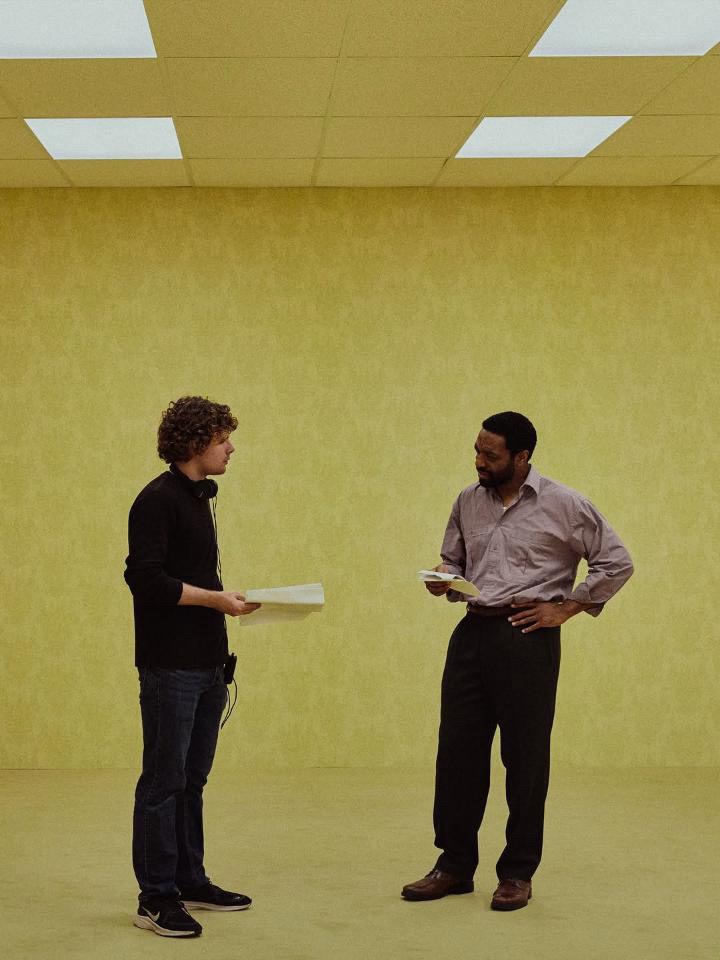
Both films demonstrated that internet-born creators can attract theatrical audiences on a massive scale.
Parsons and Barker are not the first creators to move from YouTube into filmmaking. Directors like Danny and Michael Philippou (Talk to Me) and Bo Burnham (Eighth Grade) previously made similar transitions, but the scale of Parsons and Barker’s recent success signals how quickly creator-led filmmaking is growing within theatrical cinema.
Their rise reflects how platforms like YouTube have allowed young filmmakers to experiment, build audiences, and develop creative voices long before entering traditional Hollywood spaces.
More importantly, they have shown that audiences are willing to follow creators they discovered online into movie theaters.
As creator-driven filmmaking continues to grow, Kane Parsons and Curry Barker have already secured their place as two of the movement’s biggest breakout success stories.