
Hands of hope: A film rooted in work, solidarity, and quiet determination
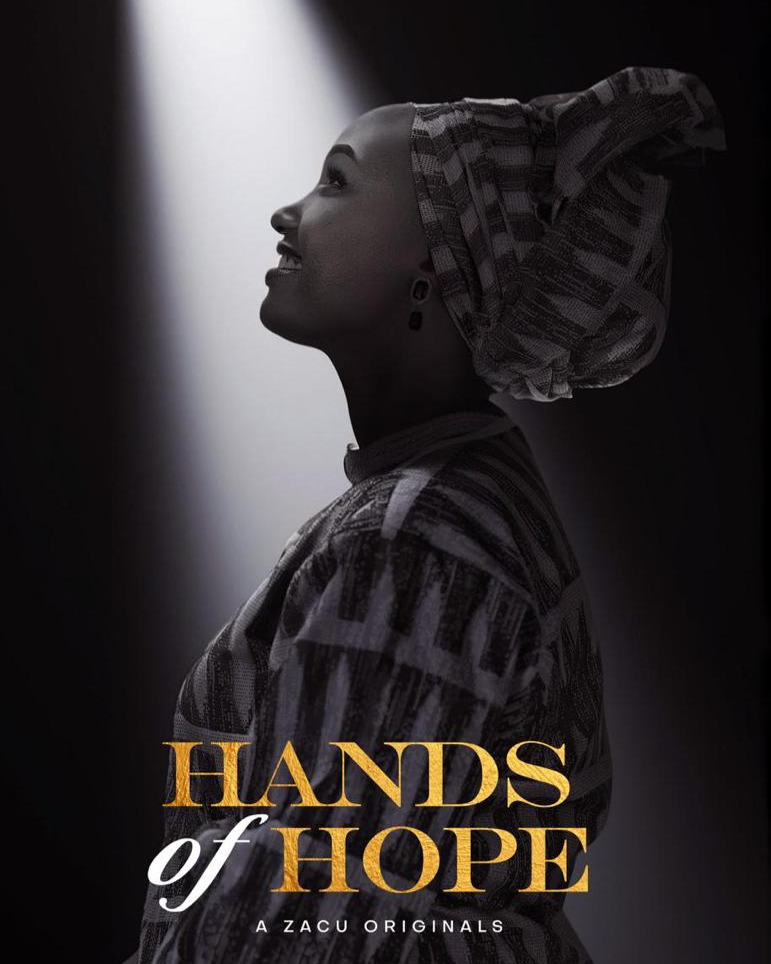
Hope, in Hands of Hope, is not presented as an abstract idea. It is stitched together through labour, patience, and the quiet determination of women refusing to let circumstances define them.
Produced by ZACU Entertainment, Hands of Hope follows a single mother who takes on the challenge of reviving a struggling sewing cooperative, locally known as Koperative. What begins as an effort to survive gradually evolves into a shared journey, where women reclaim confidence, economic agency, and dignity through collective work.
The emotional weight of the story is carried by veteran actress Mukasekuru Hadidja, widely known as Fabiola, whose performance grounds the film in authenticity. Director Roger Niyoyita explains that her casting was intentional and rooted in experience. “We know Hadidja as someone whose acting is undoubtedly versatile. She has been doing this for a long time, and we felt she was the right person for the character,” he says. Rather than relying on spectacle, her performance unfolds with restraint, allowing strength and vulnerability to coexist naturally.
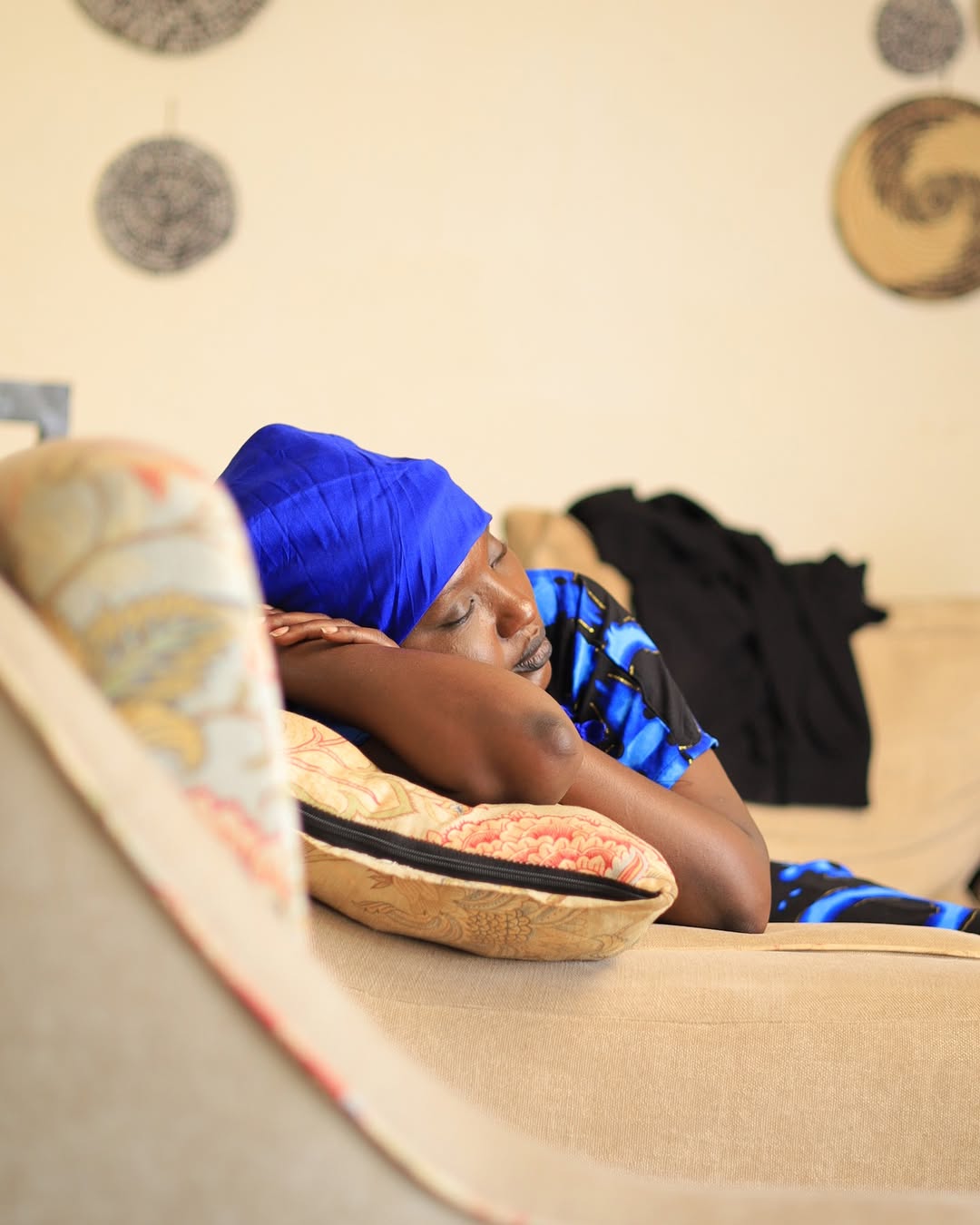
Although the film reflects realities familiar to many Rwandans, Niyoyita clarifies that Hands of Hope is not based on a single true story. Instead, it draws from everyday life and collective observation. “It’s about the life we live every day,” he notes. “There was no specific reference. It came from brainstorming and the will of ZACU Entertainment to produce films that teach society.” This choice gives the film a universal quality, where meaning emerges from routine, interaction, and shared experience.
The project also aligns with ZACU Entertainment’s broader creative direction. Following the release of The Bridge of Christmas last year, the company continues to explore films tied to moments of reflection and celebration. According to Niyoyita, future projects may engage themes connected to specific occasions or social concerns. “We just want to keep celebrating and teaching people through films,” he explains, positioning cinema as both cultural expression and social responsibility.
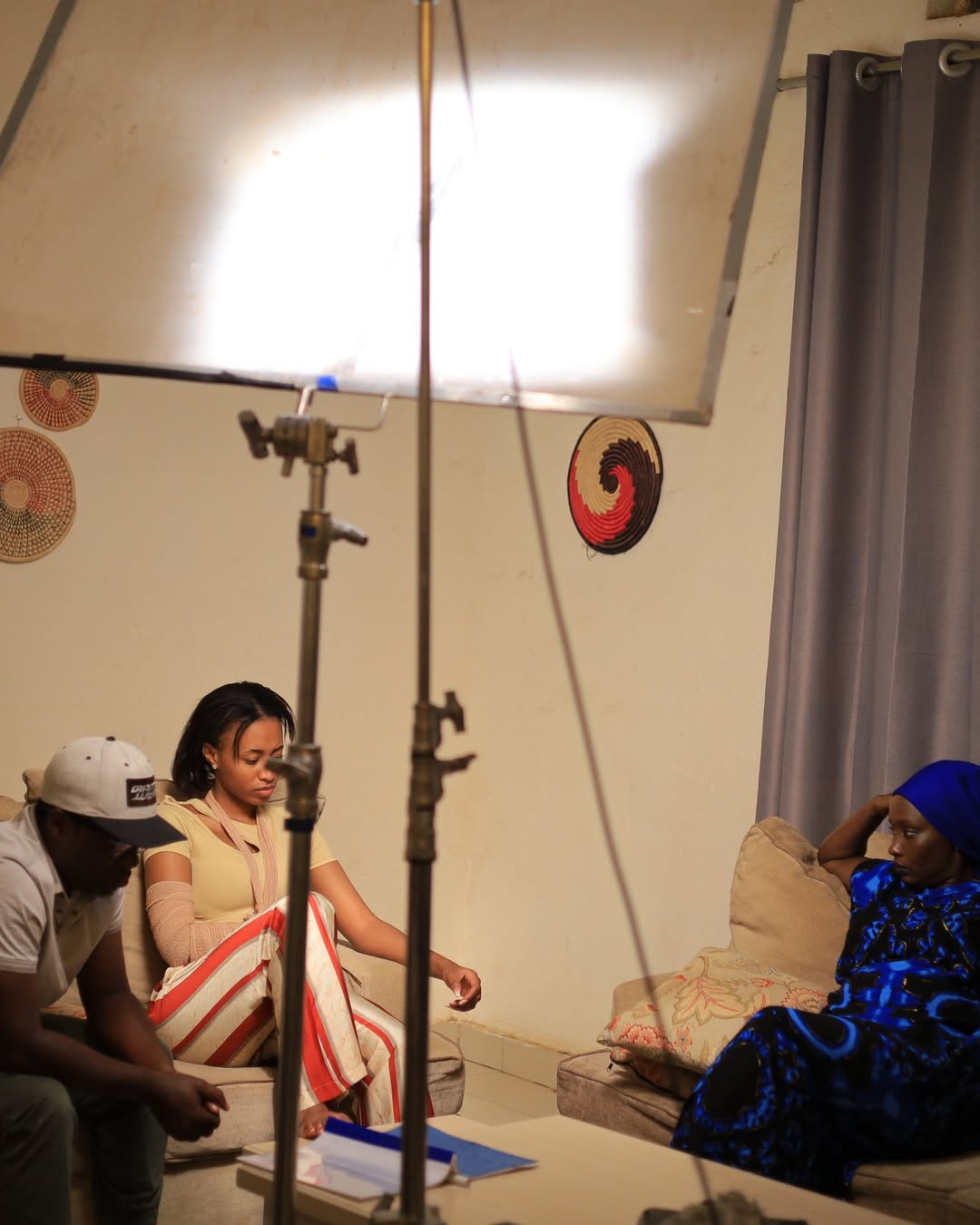
From a production standpoint, Hands of Hope reflects the confidence of a team growing in consistency. Challenges, the director says, were minimal. “Every project has challenges, but there was nothing special during this production. This is something we do every day, so we’re used to it.” That sense of routine speaks to a maturing working environment where storytelling takes precedence over logistical struggle.
Beyond Hadidja’s central performance, the film features a strong supporting cast that adds depth and credibility to the narrative. Regero Norbert, popularly known as Digidigi, appears alongside Uwabeza Léocadie, known for her roles as Esther in Seburikoko and Nyiragitariro in Papa Sava. The cast also includes Umutoniwase Nadia, widely recognized for her role as Muganga in the Umuturanyi television series, among others whose performances reinforce the film’s collective spirit.
Hands of Hope also arrives at a moment when women’s roles in society continue to expand and redefine themselves. Women are no longer confined to domestic spaces alone, but are increasingly visible as educators, medical professionals, leaders, and change-makers. In this context, the film serves as a reminder for women to use the voices and opportunities they have gained, not only for personal advancement, but for actions that contribute positively to society.

For audiences who have been following the evolution of Rwandan cinema, Hands of Hope is a film worth paying attention to. While the industry continues to grow, it reflects clear progress in confidence and craft. The film brings together a proven cast alongside an experienced technical team. It is directed by award-winning filmmaker Roger Niyoyita and written by Wanny Musabe, with cinematography by Obed Nshuti, whose visual work is familiar through ZACU TV series such as Citymaid. The production also benefits from the expertise of award-winning sound recordist Aboubakar Ngabonziza, award-winning gaffer Maniraguha Vincent, assistant director Mazimpaka Pacifique, and other crew members whose collective experience reflects the care invested in the project.
Hands of Hope is scheduled to premiere on March 8 on ZACU TV and in cinemas, a symbolic release date that coincides with International Women’s Day. In doing so, the film invites viewers not only to watch, but to reflect on the quiet strength found in persistence, collaboration, and the everyday acts that slowly build hope.