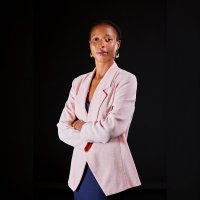
From humble beginnings to global screens: Bora Shingiro’s cinematic Odyssey

In a modest house in Kanombe, a young boy once dreamed of doing something no one around him had ever done: telling stories through film. That boy, armed only with curiosity and determination, is today Bora Shingiro, one of Rwanda’s most versatile filmmakers, known for his cinematography, directing, and writing.
Over more than a decade, Bora’s journey has carried him from local television dramas to international film festivals, spanning short films, feature productions, commercials, web series, and documentaries. Each project became a step in a career defined by persistence, skill, and a commitment to telling stories that matter.
Who is Bora Shingiro?
Bora Shingiro was born in Kanombe, Kigali, the second of seven children. His path into cinema began with curiosity rather than a plan. After completing filmmaking training at Kwetu Film Institute and attending short courses at the Rwanda Cinema Center in 2010, he discovered the part of filmmaking that would define him: the camera.
“When I was young, I wanted to be a football player,” Bora recalls. “But at that time, the sport wasn’t respected, and the future felt uncertain.
As I grew older, my dreams changed, and I started thinking about cinema—even though at first I wasn’t passionate.”
The moment he first stood behind a camera, Bora realized he had found his calling.
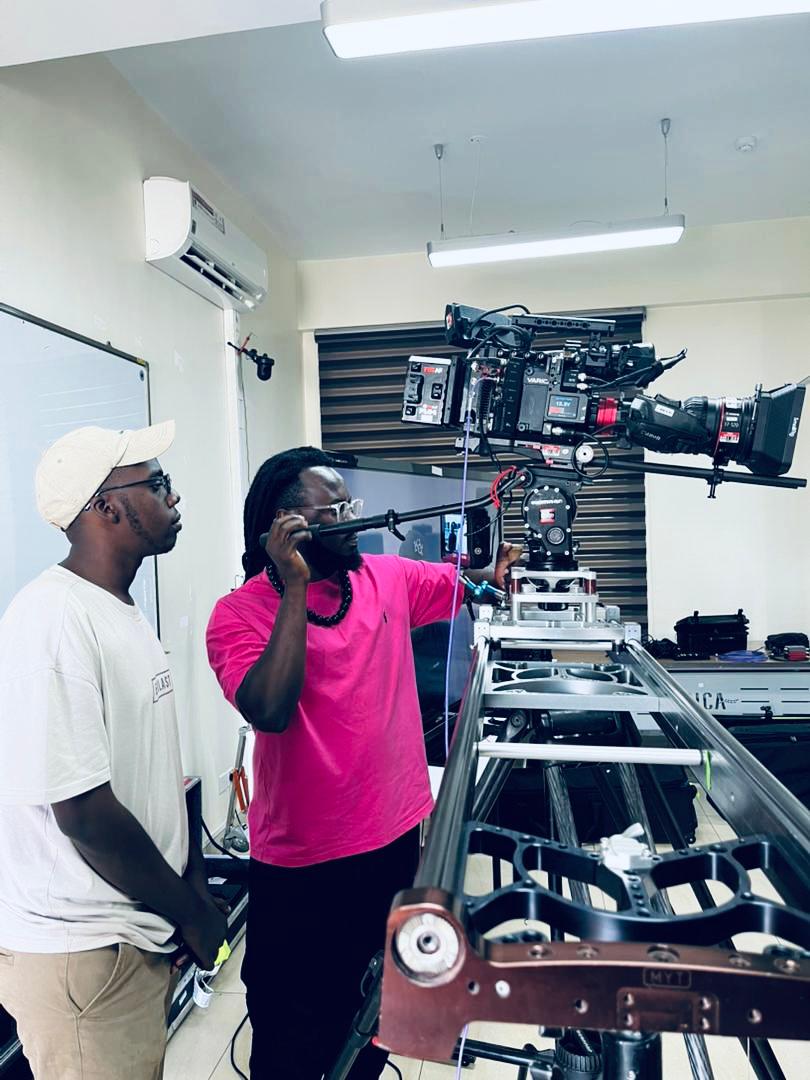
The early struggles
One formative moment came during his teenage years in Muhanga. After attending a film screening, Bora approached the filmmaker he admired, Edouard Bamporiki, expressing his desire to act and be part of the industry. Edouard gave him an email address and encouraged him to follow up.
Every Friday for almost a year, Bora walked to CBL Café, paid 100 francs, and asked the owner to send a reminder email on his behalf. Weeks turned into months, and yet no response came.
“I kept wondering if my dream would ever come true,” Bora recalls.
But instead of giving up, he continued learning, watching films, practicing behind the camera, and experimenting with storytelling. In 2011, he created his first short film, Igitambo, a work born from determination more than resources.
Turning pain into purpose
Bora lost a parent during the 1994 Genocide against the Tutsi, an experience that has deeply influenced his life and creative vision. Rather than letting the past define him, he channels it into storytelling that explores resilience, identity, faith, and healing.
“How do people survive pain and still find hope?” he asks.
This question guides much of his work, giving his films emotional weight and authenticity. His storytelling often honors the memory of those who endured loss, while highlighting the strength of the human spirit.
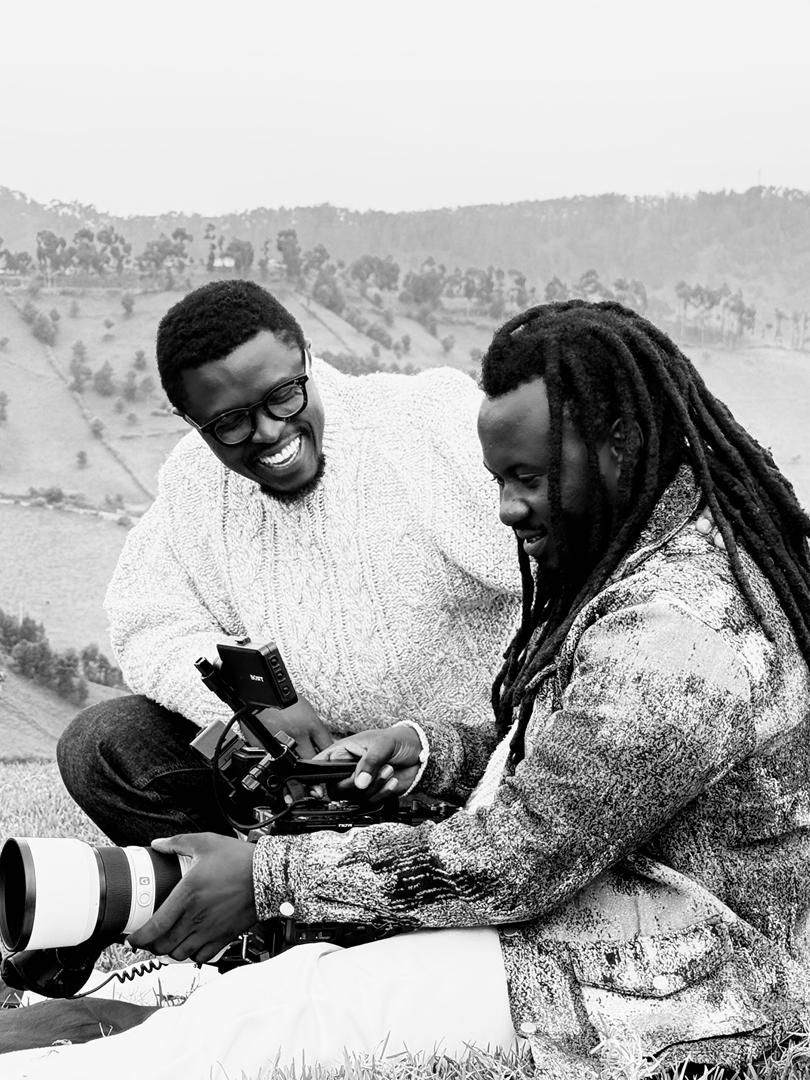
Breaking through the industry
Years later, Bora’s persistence finally paid off. A group of filmmakers came looking for talent for the feature film Umutoma (2014). The project was directed by John Kwezi, who offered Bora the opportunity to work as assistant director. Among the actors in the film was Edouard—the same man Bora had approached years earlier after a screening in Muhanga. The moment felt like life coming full circle.
“On the last day, I told him I was that boy from the Muhanga,” Bora recalls. “He was happy to see that I had never given up.”
This opportunity marked Bora’s official entry into professional filmmaking.
Building a career in television and cinema
Bora’s work on the television drama City Maid (2016–2020) as both director and Director of Photography gave him steady experience and national recognition. He continued working across formats, including the web series Inzozi (2020, Seasons 1 & 2) and commercial productions like the Prime Insurance TV commercial (2017).
He later contributed to major Canal+ productions, including The Bishop Family, Ishusho ya Papa, Shuwa Dilu, and Mucoma, as well as a feature-length Christmas film(The bridge of christmas) broadcast on ZACU TV. Each production honed his craft and deepened his ability to convey emotion through the lens.
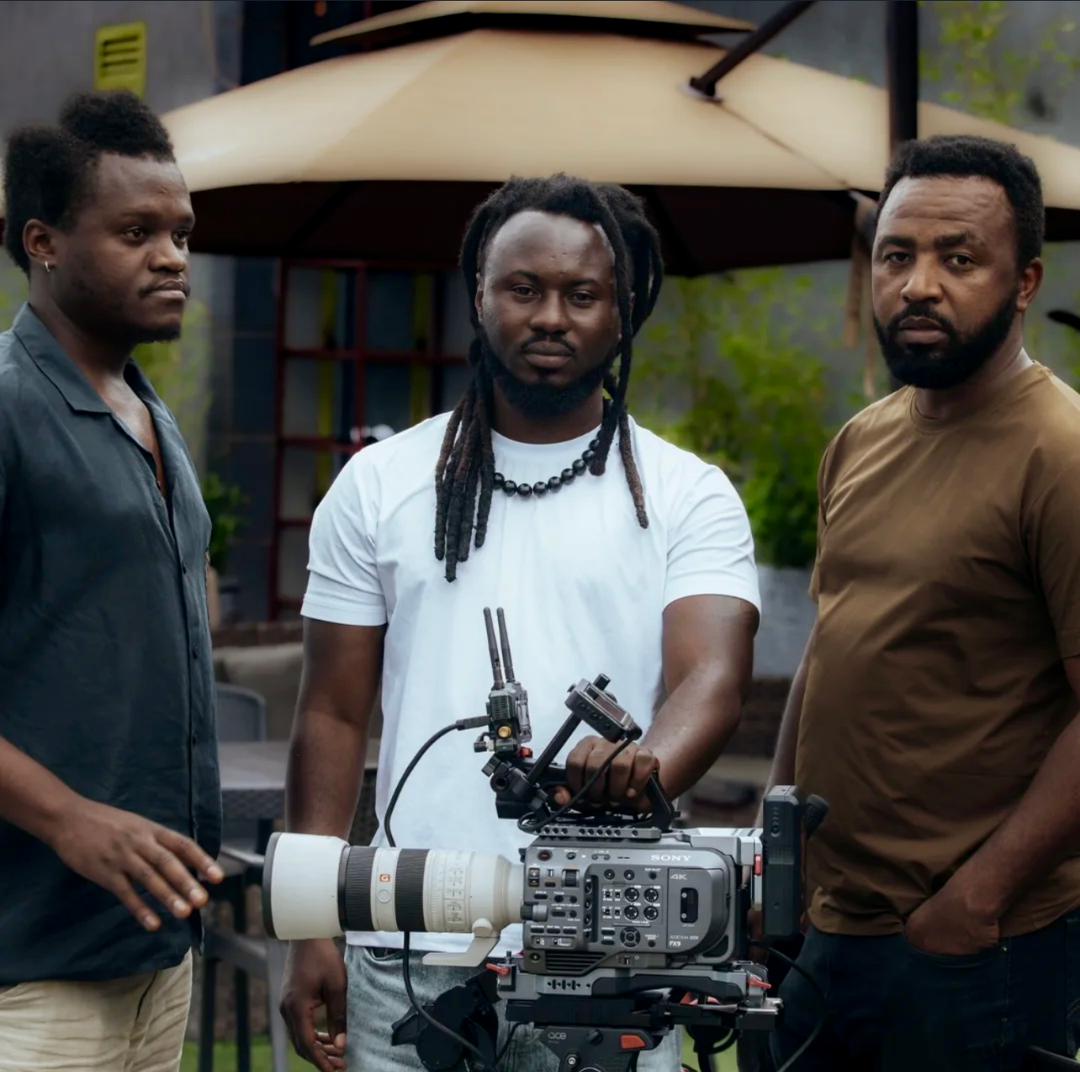
A cinematographer with an international eye
Bora has collaborated with acclaimed Rwandan and international directors, bringing cinematic vision to life across continents. Notable collaborations include:
Mutiganda wa Nkunda – Nameless (2017), selected for Carthage Film Festival and FESPACO
Ines Girihirwe – Breaking ground (2020), Special Jury Prize, Seattle International Film Festival
Myriam Uwiragiye Birara – Imuhira / Home (2020), premiered at Locarno International Film Festival; The Bride (2022), premiered at Berlinale, Special Mention GWFF Best First Feature Award
Lee Sang-woo – The land of a thousand hills (2022), I am not for sale (2022), I ate Korean (2024)
Yuhi Amuli – Mother Court (2026)
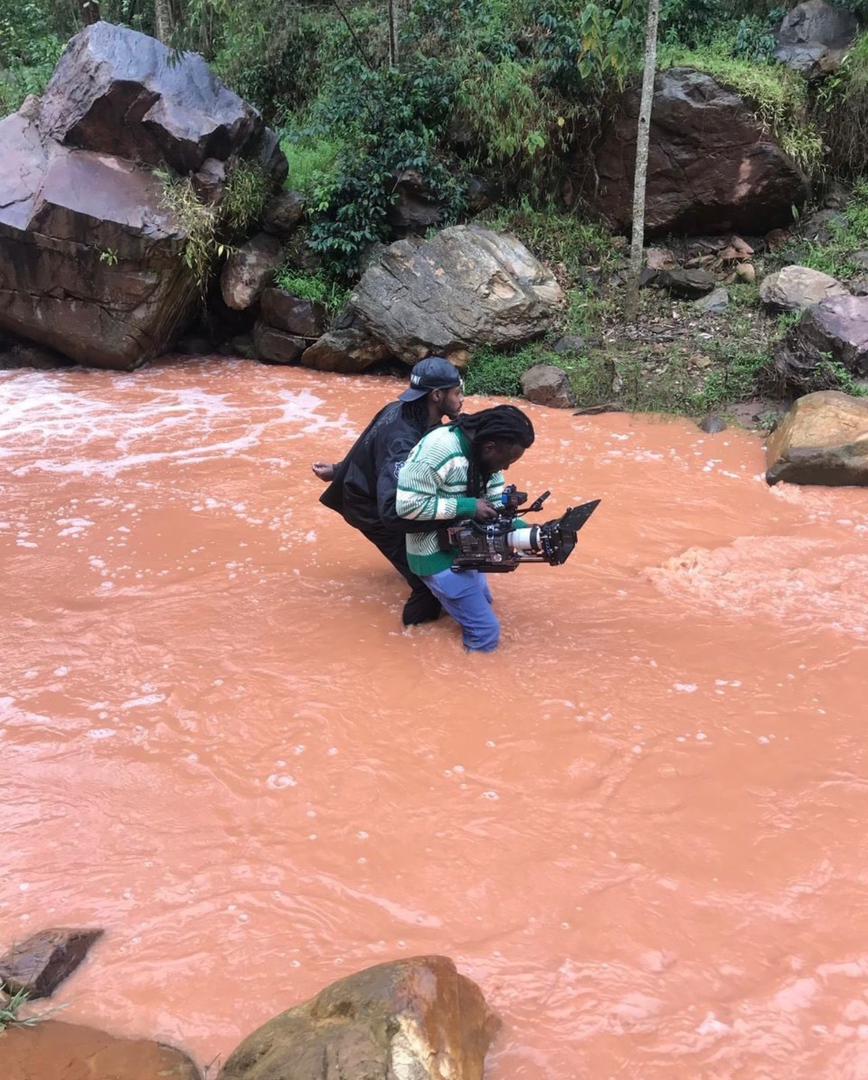
Bora’s cinematography is celebrated for natural lighting, emotional depth, and careful attention to atmosphere, particularly in films exploring personal histories, resilience, and survival.
Director, writer, storyteller
Alongside cinematography, Bora directs his own films. Luna (2018) premiered internationally, winning Best Cinematography at Mashariki African Film Festival. In 2023, he wrote, directed, and shot Igihuku, a short film exploring silence, memory, and survival. It premiered at the Silicon Valley African Film Festival and earned awards including the SIGNIS East Africa Talent Award and Best Women Short – Independent Short Awards (2024).
“It is like a house where people no longer live,” Bora says, reflecting on loss, memory, and survival.
Behind each of these works lies a personal history that continues to shape his storytelling.
New projects (2026)
This year, Bora is directing two documentaries:
One on the violence and killings targeting the Banyamulenge community in the Democratic Republic of Congo
Another exploring the role of the Catholic Church during the 1994 Genocide against the Tutsi
These projects reflect his dedication to stories that are difficult, necessary, and deeply meaningful.
Mentors and keys to success
Bora credits mentors who guided him throughout his career: Richard Mugwaneza, Mutiganda wa Nkunda, Kivu Ruhorahoza, Misago Wilson, and JB Rutagarama.
“Be humble. Do good work. Learn constantly,” he says. “I learned a lot through tutorials and hands-on experience.”
Future goals
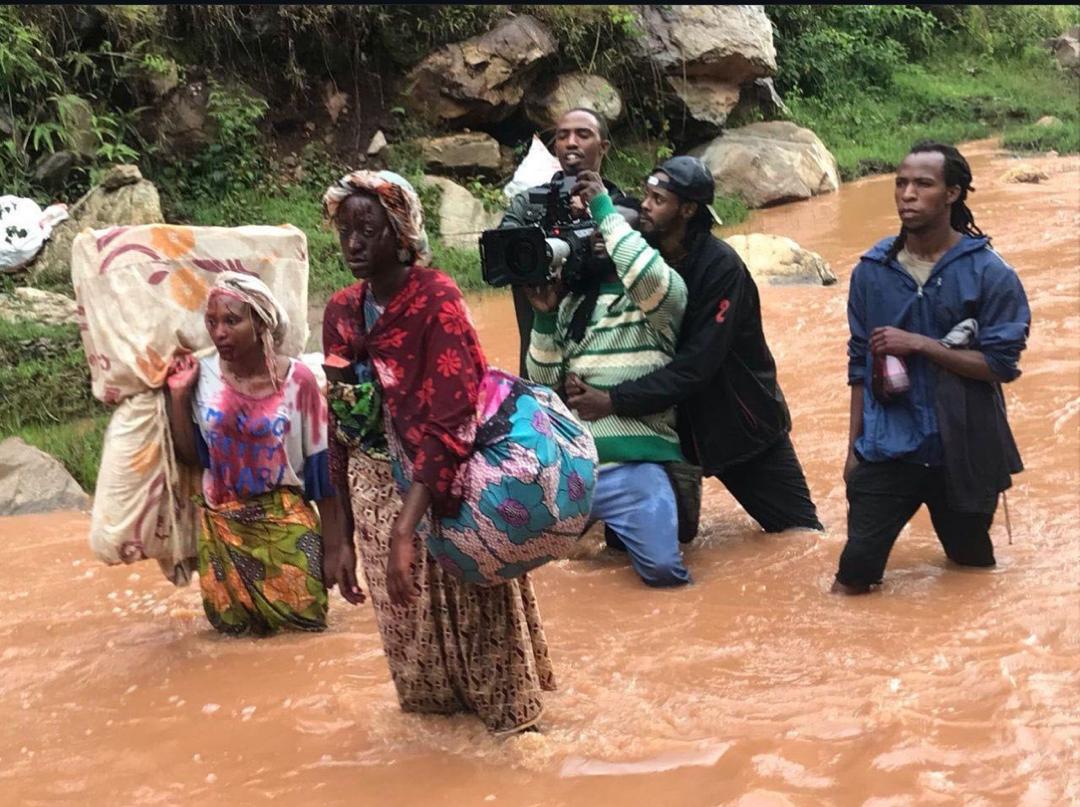
After more than a decade in the industry, Bora continues to work across film sets, television productions, and personal projects. His career now bridges Rwanda and the world, yet he remains grounded in the stories that matter most.
From a boy sending emails at a CBL café in Muhanga to a filmmaker whose work reaches international screens, Bora’s journey is a testament to persistence, creativity, and the belief that meaningful stories can change how we see the world.
Selected filmography
Director / Writer / Cinematographer
Igitambo (2011) – Debut short film
Luna (2018)
Igihuku (2023)
Assistant director / Director of Photography
Umutoma (2014) – Assistant Director, John Kwezi
City maid (2016–2020) – Director & Director of Photography
Nameless (2017) – Mutiganda wa Nkunda
Breaking ground (2020) – Ines Girihirwe
Imuhira / Home (2020) – Myriam U. Birara
The bride (2022) – Myriam U. Birara
The land of a thousand hills (2022) – Lee Sang-woo
I am not for sale (2022) – Lee Sang-woo
I ate Korean (2024) – Lee Sang-woo
Mother court (2026) – Yuhi Amuli
Television / Web Series / Commercials
Inzozi (2020, Seasons 1 & 2) – Cinematographer
Prime insurance TV commercial (2017) – Cinematographer
The bishop family (2023) – Director of Photography
Ishusho ya Papa – Canal+ series
Shuwa Dilu – Canal+ series
Mucoma – Canal+ / Zacu TV
The bridge of christmas– Canal+ / Zacu TV