
Filmmaker Mutuyimana (Ibrah) Eric’s push to grow film in Rubavu

Mutuyimana Eric(Ibrah) is building Tuzuri Entertainment from Rubavu with a simple idea: good films do not have to come from Kigali.
Through Tuzuri Entertainment, the filmmaker is working to develop local talent, produce stories from Rubavu and create more space for people who want to work in film outside the capital.
His own path into filmmaking started through a project created to help young talents learn film production. He joined as a learner and eventually became a mentor. Before that, he had worked as a singer and dancer, experiences that introduced him to the creative industry.
But it was his experience as a local artist in Rubavu that helped shape his decision to build his film work there.
Why Rubavu?
For Eric, the location of a filmmaker should not determine the quality or importance of their work.
He points to Rubavu’s young talent, filming locations and local stories as resources that can support film production.
“Wherever you are, you can make a good film,” he says. “This place has many talents that need development.”

He also wants audiences to see stories from places outside Kigali and understand lives that may not often appear on screen.
“We must stop thinking that all movies must be produced in Kigali only,” he says. “People need to know what happens in rural areas too.”
Living in Rubavu gives him a personal connection to the stories he wants to tell.
“As a person who lives in this place and knows this life, I believe I should let people know about it and tell them the story as someone who lived it.”
For Eric, that familiarity is important when creating stories about the people and experiences around him.
Giving local talent a chance
His decision to work from Rubavu is also connected to something he experienced before entering filmmaking.
As a singer, Eric shared stages with well-known artists, including Kitoko and The Ben, when they performed in Rubavu. After the concerts, he noticed that much of the attention went to the established artists from Kigali, while local performers were often forgotten.
That experience stayed with him.
He wanted people from his hometown to have a way to develop their talents, be seen beyond their immediate surroundings and have their work taken seriously.

That thinking now shapes his work with young creatives in film.
Eric believes mentorship should begin before someone steps onto a film set. Some aspiring actors, he says, enter productions without fully understanding the profession or what will be expected of them.
His approach to mentoring is practical. Rather than relying heavily on theory, he talks with young creatives and encourages them to look at their everyday lives as material for stories.
“I don’t take you in theories,” he says. “I just use our daily life activities and encourage them to write about their daily lives by following the rules of writing.”
Making films with limited resources
Building a production initiative outside Kigali comes with its own difficulties.
Funding remains one of the biggest challenges. Eric says there are many talented people in Rubavu, but raising money to produce and release films is not easy.
There is also a shortage of professional technical crew.
“In Rubavu, there aren’t many professional technical crew,” he says. “It’s not easy to get someone to fill in for me, and sometimes I take over many roles while producing.”
That can mean handling responsibilities such as directing and cinematography on the same production.
His first film, Kimwe kuri kimwe, was a short film. He had initially considered developing it as a series but decided against it because of the difficulty involved.
Working with limited resources has also shaped how he approaches production.
“Whether you have few or enough money, you can do a movie,” he says.
Experience, he explains, has taught him where to spend more and where he can work with less.
Despite the challenges, he says the situation around his work has started to change. When he began, he felt largely alone and says people did not believe in what he was trying to build. Today, more people show interest and some help with finding filming locations.
Rubavu District has also assisted by helping him obtain filming permissions without unnecessary delays. While he has not received financial support from the district, he considers that practical assistance useful.
For Eric, however, knowledge remains one of the biggest needs for young creatives.
He believes aspiring filmmakers need access to people who can teach them the skills required to turn their talent into sustainable work.
Stories that make people think
Eric’s filmmaking is also shaped by the subjects he wants audiences to think about.
One issue he wants to explore is how society responds to suicide. He questions the tendency to judge someone who takes their own life without considering what they may have been experiencing.

His interest is not in telling audiences what conclusion to reach, but in encouraging them to ask what may have happened before making a judgment.
That approach is also connected to his interest in depression and mental health. Rather than turning a film into a lesson, he wants the story itself to leave audiences thinking.
From Tuzuri to the global market
The name Tuzuri means “small good things,” a principle that reflects Eric’s approach to building the company.
“Everything starts small and gets big later,” he says.
His ambitions are now larger than Rubavu. He wants Tuzuri Entertainment to grow and eventually work with international companies and platforms, including Netflix.
At the same time, he sees the development of more producers and filmmakers across Rwanda as important for the wider industry.
More production companies, he argues, can mean more films reaching audiences and more people getting the chance to work in front of and behind the camera.
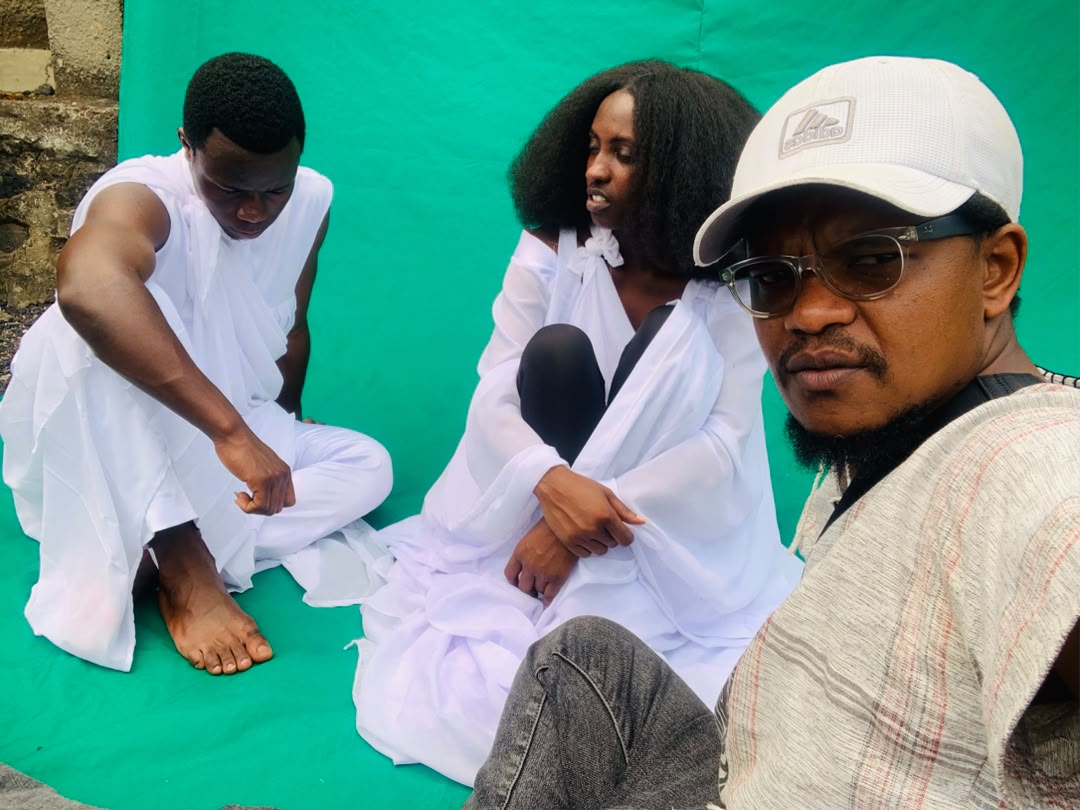
For Eric, the point is not simply to produce films in a different part of the country. It is to show that talent can be developed where it already exists.
His message to young people outside Kigali is straightforward: understand what you are choosing, then be prepared to stay with it.
“It’s not a clean road which everyone can use,” he says. “It requires patience and consistency until you realize your dream.”