
Enola Holmes 3 Review: A Mystery with a Fresh Perspective
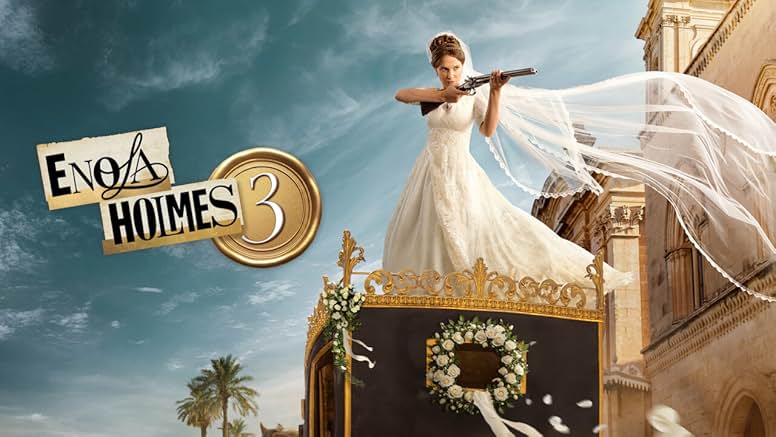
Following the success of its first two installments, Enola Holmes 3 reunites audiences with the brilliant young detective for another thrilling adventure. The film also marks a new chapter behind the camera, with Philip Barantini (Adolescence) becoming the first director in the series to succeed Harry Bradbeer. While preparing for an important new chapter in her personal life in Malta, Enola soon finds herself drawn into another investigation that tests both her instincts and her resolve. Although the narrative occasionally becomes more complicated than necessary, the film delivers another entertaining chapter thanks to its strong performances, confident direction, and impressive technical craftsmanship.
Cinematography
Among the film’s greatest strengths is its cinematography. Every frame is carefully composed, allowing the audience to appreciate both the characters’ emotions and the richness of their surroundings. A variety of camera techniques—including close-ups, extreme close-ups, tracking shots, panning movements, and high and low-angle shots—keeps the visuals dynamic and engaging from beginning to end.
The tracking shots are especially effective. Whether following characters through investigations, conversations, or bustling locations, the camera moves naturally with them rather than simply observing from afar. Under Barantini’s direction, these fluid camera movements create a stronger sense of involvement, drawing viewers into the mystery while allowing the performances and environments to remain the focus.
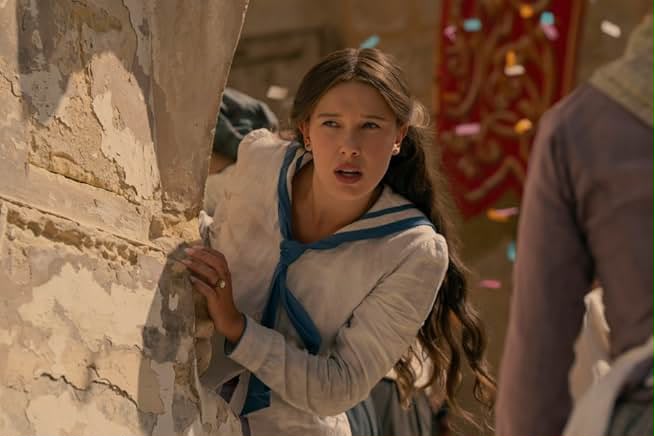
Close-up and extreme close-up shots are equally effective at directing the audience’s attention to important details while conveying the characters’ emotions. Determination, hope, fear, anxiety, anger, rage, and joy all register clearly through the actors’ expressions, allowing many moments to communicate just as much visually as they do through dialogue.
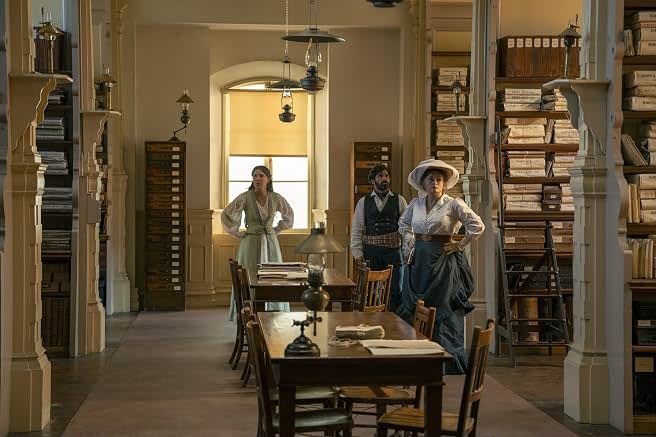
What impressed me most, however, was the film’s attention to composition. Every location is thoughtfully arranged without appearing staged. Rooms are filled with furniture, decorations, and everyday objects that make them feel genuinely inhabited. A great example comes when Dr. Watson examines Enola after the fire. Rather than simplifying the setting to focus solely on the characters, the filmmakers fill the frame with natural details, while people can even be seen moving in the background. It’s a subtle touch, but one that makes the environment feel authentic and lived in.
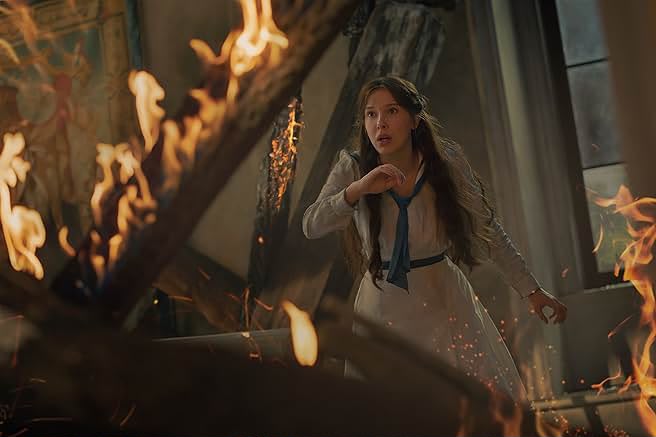
That same attention to detail extends throughout the film. Whether scenes unfold in crowded streets, busy public spaces, or intimate interiors, the backgrounds remain active instead of fading into the distance. Extras continue with their daily routines, and every element within the frame contributes to the illusion of a living Victorian world. These carefully composed images make the settings feel believable while drawing viewers further into the story.
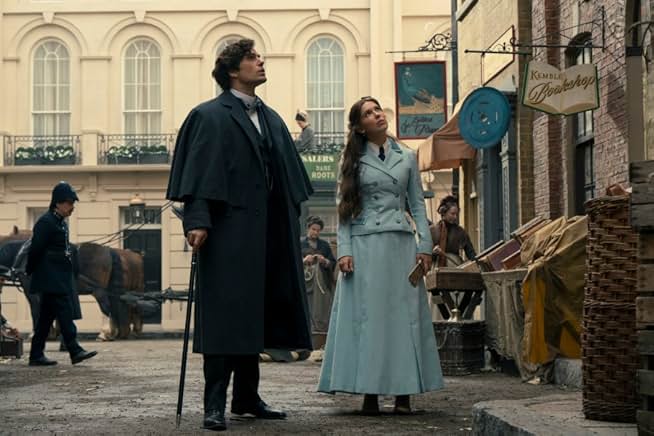
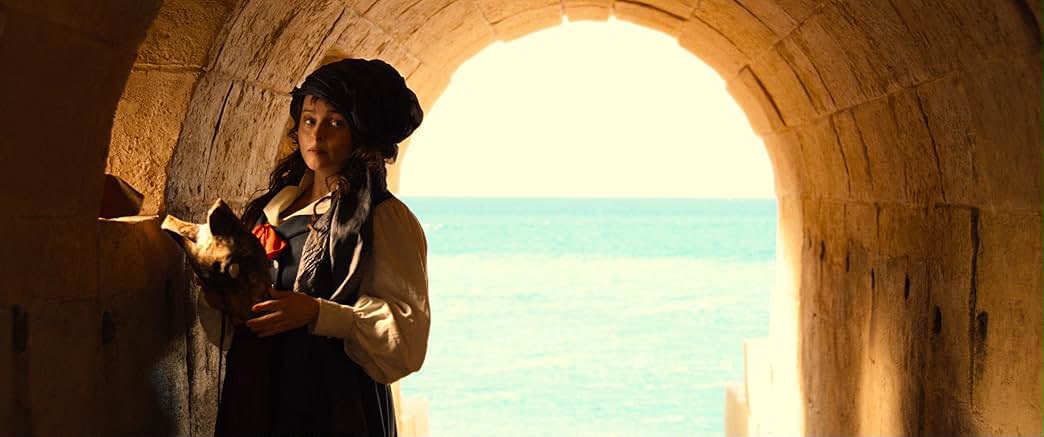
The change of location also gives this installment a distinctive visual identity. By taking part of the story to Malta, the film expands beyond the familiar streets of London without losing the charm that defines the series. The island’s historic architecture, coastal scenery, and warm Mediterranean light add freshness to the visuals, ensuring that this third outing feels both familiar and new.
Sound Design
Sound quietly becomes one of the film’s most effective storytelling tools. The musical score complements each emotional shift with precision, whether the story calls for excitement, suspense, joy, heartbreak, or quiet reflection. Even without looking at the screen, the music often communicates the emotional tone of a scene.
The Foley work is just as impressive. Everyday sounds—from horses galloping through the streets to footsteps echoing across stone paths, doors opening and closing, and the constant bustle of public spaces—bring the Victorian setting to life. Ambient noise in marketplaces, social gatherings, and crowded streets adds another layer of realism, reminding us that life continues beyond the central characters.
Equally commendable is the film’s restraint. Rather than relying on music to fill every moment, it allows silence to speak when necessary. Those quieter moments create space for tension to build naturally, making the eventual return of the score even more impactful. Together, the music, Foley work, ambient sound, and carefully placed silence create an immersive soundscape that supports the story without ever overwhelming it.
Editing
Editing is another area where Enola Holmes 3 quietly excels. Despite juggling flashbacks, Enola’s signature fourth-wall breaks, and an increasingly layered mystery, the film remains surprisingly easy to follow for most of its runtime.
The flashbacks are integrated naturally into present-day events, providing context exactly when it’s needed rather than interrupting the story’s momentum. Instead of feeling like random interruptions, they deepen our understanding of the characters and the investigation.
Enola’s fourth-wall breaks remain one of the series’ most distinctive features. Millie Bobby Brown delivers these moments with confidence, wit, and infectious energy, making it feel as though she’s inviting the audience to solve the mystery alongside her. They continue to give the films their unique personality without disrupting the narrative.
One editing choice I especially appreciated is how the audience is taken inside Enola’s thought process. Rather than relying solely on dialogue, the film visually connects clues, memories, and different possibilities as she works through the mystery. Watching her weigh each option makes her deductions much easier to follow and allows viewers to understand how her mind works.
The pacing deserves praise as well. Whether the story shifts between conversations, investigations, or moments of suspense, each transition feels purposeful. The cuts maintain the film’s momentum without becoming overwhelming, allowing even its more complex sequences to remain engaging.
Performances
Millie Bobby Brown once again proves why she is the heart of the Enola Holmes series. She effortlessly balances Enola’s intelligence, determination, humor, confidence, and emotional vulnerability, creating a heroine who remains as charismatic as she is capable. Her playful personality never overshadows her sharp instincts as a detective, allowing both sides of the character to coexist naturally.
Louis Partridge continues to share effortless chemistry with Brown, making Enola and Tewkesbury’s relationship feel sincere and easy to invest in. Their interactions carry a warmth that reflects how far their relationship has come since the first film.
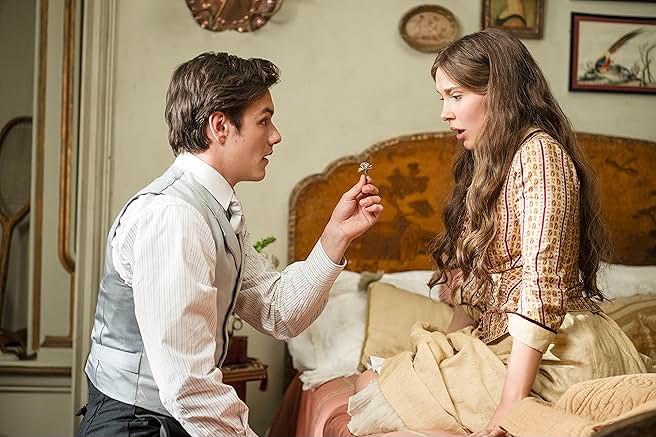
Even so, I couldn’t help wishing the film had spent a little more time developing their relationship. Considering its importance to the story, a few additional moments together would have made their emotional journey even more rewarding.
The supporting cast deserves just as much recognition. Henry Cavill, Helena Bonham Carter, Himesh Patel, Sharon Duncan-Brewster, and the rest of the ensemble consistently strengthen every scene they appear in. Even characters with limited screen time leave a lasting impression, making the Victorian world feel populated by people with lives beyond the central mystery.
Visual Design
Visually, Enola Holmes 3 is a pleasure to watch. Its production design, settings, costumes, makeup, and lighting work together seamlessly to recreate the Victorian world while giving this installment its own distinctive identity.
The wedding party beautifully showcases the film’s attention to detail. Elegant floral arrangements, warm candlelight, carefully arranged tables, fine glassware, and richly decorated interiors immediately establish the atmosphere of the celebration. Every visual element reflects the significance of the occasion while subtly communicating Tewkesbury’s high-society background. The guests’ hairstyles, clothing, posture, and mannerisms further reinforce the social hierarchy, making the gathering feel authentic and believable.
The wedding ceremony itself is equally convincing. From the decorations and the number of guests in attendance to the positioning of the groom as he waits for the bride, every detail feels thoughtfully staged. Nothing appears out of place, allowing the ceremony to unfold with the elegance expected of two prominent families.
Costume design further strengthens that realism. Every outfit complements the character wearing it while remaining faithful to the Victorian period. Rather than looking freshly tailored, many garments appear naturally worn, giving the impression that these are clothes the characters have genuinely lived in instead of costumes worn only for the camera.
The makeup is just as effective in supporting the storytelling. For example, Lady Tewkesbury’s refined appearance during high-society scenes contrasts noticeably with her appearance during imprisonment. Her hairstyle, makeup, and clothing visibly reflect the harsh conditions and mistreatment she experiences, quietly reinforcing her circumstances without the need for dialogue.
Lighting also plays an important role in shaping the film’s atmosphere. The warm glow of candlelight during the wedding party creates a welcoming sense of celebration, while the golden sunset accompanying Enola and Tewkesbury’s quieter moments adds warmth and romance. As the mystery deepens, the lighting gradually becomes darker and more dramatic, complementing the increasingly tense tone without drawing attention away from the story.
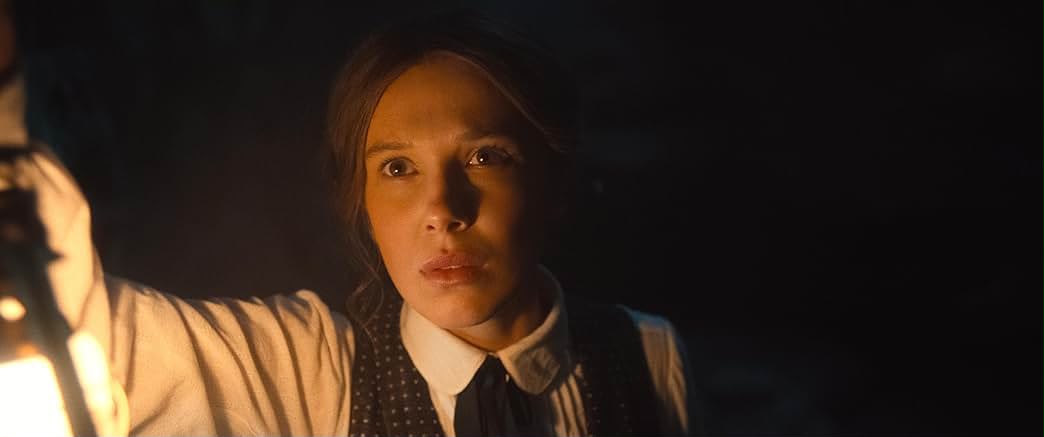
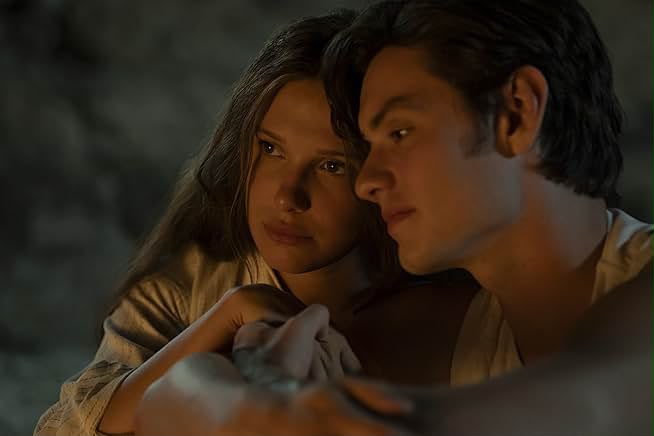
The move to Malta also breathes new life into the series. Its historic architecture, narrow streets, breathtaking coastline, and abundant natural light provide a refreshing contrast to the familiar locations of previous installments. Rather than serving as a simple backdrop, Malta becomes an important part of the film’s visual identity, expanding the world while preserving the timeless charm that defines Enola Holmes.
Narrative
At the heart of Enola Holmes 3 is a mystery that remains engaging thanks to its steady stream of twists and unexpected revelations. Rather than following a predictable path, the investigation continually introduces new information that keeps both Enola and the audience questioning what will happen next.
As the story progresses, however, the mystery occasionally becomes more intricate than it needs to be. While I appreciated the film’s ambition and its willingness to challenge viewers, there were moments when simplifying certain plot developments would have created an even stronger narrative. Even so, these instances never overshadow the enjoyment of watching the mystery unfold.
One moment that briefly pulled me out of the experience occurs early in the story when Enola mentions that the reason her wedding is taking place in Malta is "complicated." The line suggests there’s a much deeper explanation behind the location, yet Tewkesbury’s family history already provides a perfectly reasonable motivation for holding the wedding there. As a result, the dialogue feels slightly more confusing than intriguing.
Another scene that didn’t entirely work for me takes place during the wedding party. Sherlock suddenly looks upward, prompting Enola to follow his gaze, before the suspicious figure they’re reacting to appears moments later. Because the audience isn’t first given any indication that someone is already there, the sequence feels a little staged. Introducing the figure slightly earlier—or subtly hinting at his presence—would have made the moment feel more natural while strengthening the suspense.
Despite these minor issues, the story remains consistently entertaining. The mystery is filled with enough surprises to maintain curiosity from beginning to end, while balancing suspense, humor, emotion, and adventure in a way that has become synonymous with the series.
Enola Holmes 3 confidently expands the series without losing the charm that made its predecessors so enjoyable. By taking Enola beyond the familiar streets of London and embracing the beauty of Malta, the film gives this chapter its own visual identity while remaining true to the wit, heart, and adventurous spirit that define the series.
Although a few narrative choices could have been handled more smoothly, they do little to diminish an otherwise engaging and well-crafted mystery. Backed by memorable performances, thoughtful filmmaking, and a clear desire to evolve rather than repeat itself, Enola Holmes 3 stands as another satisfying chapter in Enola’s journey.
Whether you’ve followed Enola since her first adventure or are discovering the series for the first time, this latest installment offers an entertaining mystery that’s well worth the investigation.