- Home
- Biography
- Director of Photography Louis Udahemuka on light, story, and the pursuit of better images
Director of Photography Louis Udahemuka on light, story, and the pursuit of better images
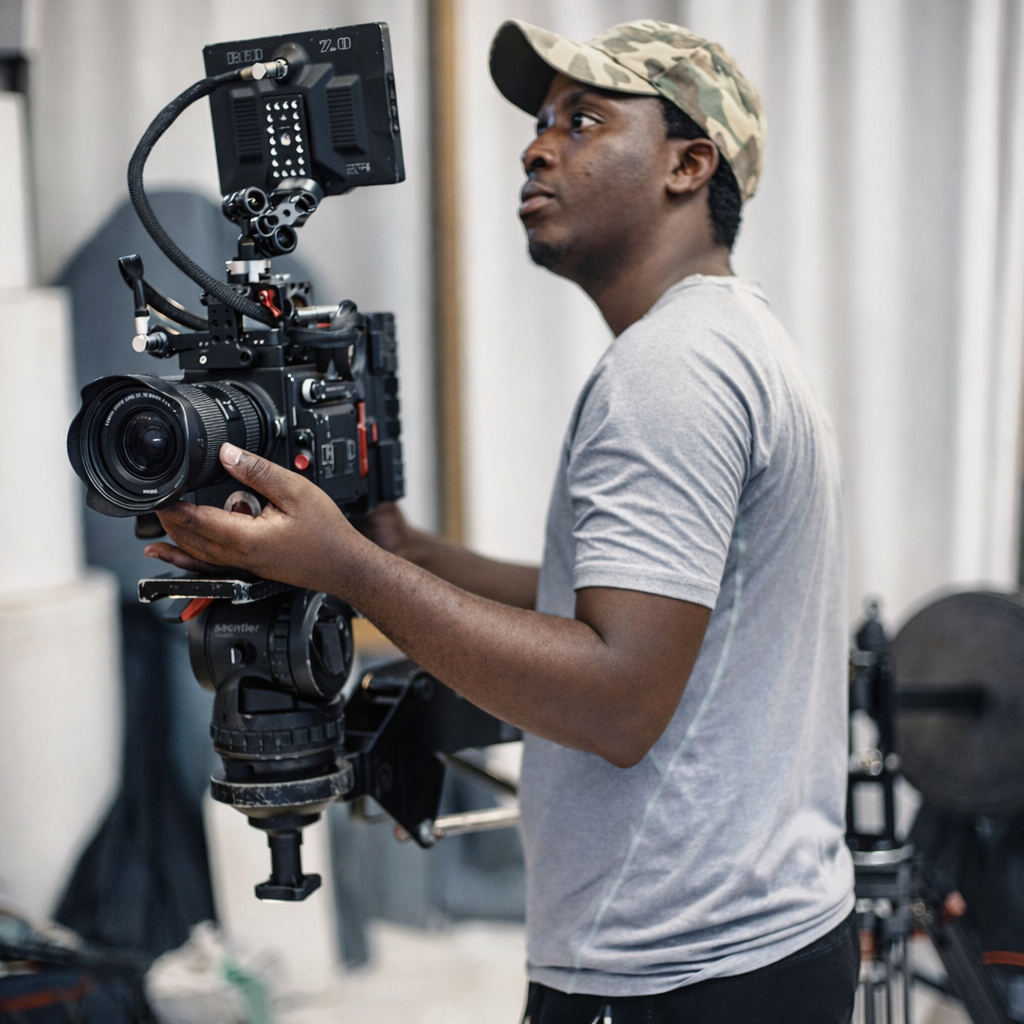
For Louis Udahemuka, cinematography is defined not by mastery, but by continuous refinement. Despite more than a decade behind the camera and growing industry recognition, the Rwandan Director of Photography (DoP) still considers himself a student of light, emotion, and visual storytelling.
Born on May 2, 1988, Louis was raised in Nyamasheke District, Kagano Sector, Western Province. His early years were shaped by a quiet, reserved upbringing in a Catholic family — and by a passion that initially had little to do with cinema.
“I was a shy, calm child,” he recalls. “Growing up immersed in Christian culture, I joined a choir, learned guitar, and developed a deep love for music. I wrote and composed my own songs and believed my future would be as a musician.”
At the time, filmmaking felt distant.
“I enjoyed watching films, but cinematography looked magical — something to admire, not something I imagined I could do.”
From curiosity to commitment
Louis’s path into visual storytelling began in Uganda, where he spent three months observing a friend working in videography and photography. What began as curiosity soon evolved into clarity.
“By the time I returned to Rwanda, I had mastered the basics and knew I wanted to pursue film seriously.”
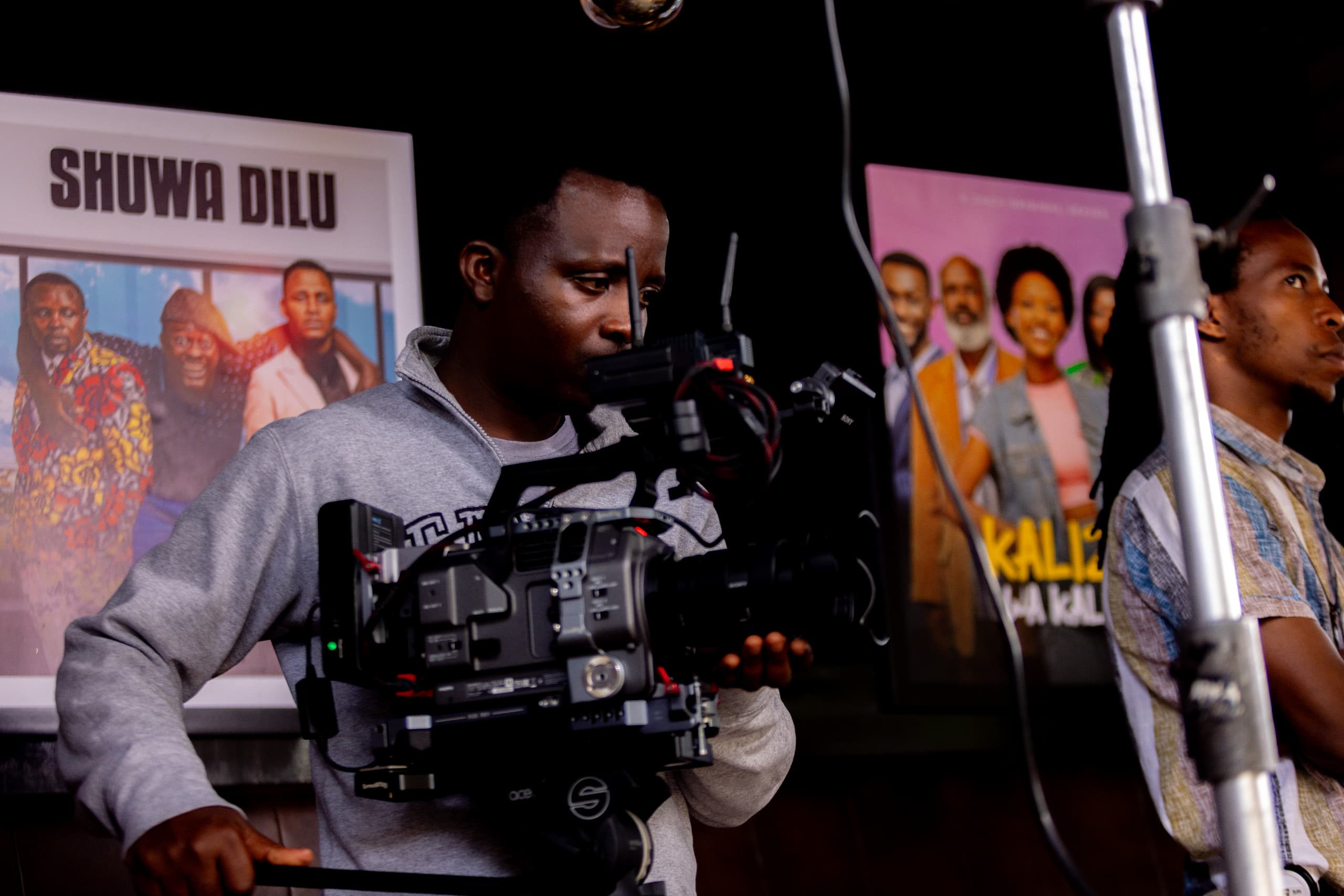
He later enrolled at Kwetu Film Institute, completing a six-month training program while also attending workshops to strengthen his technical foundation. Beyond formal education, he credits self-learning and practical experience for accelerating his development.
“I spent many nights studying tutorials, but the most invaluable lessons came from working on professional film sets.”
A career-defining break
The television series Ejo Si Kera marked a pivotal early chapter.
“That project challenged me as I transitioned from cinematographer to Director of Photography,” he explains. “I worked closely with the director, gaffer, and grip to compose every scene. It became the foundation of my professional identity.”
With hindsight, he also acknowledges the lessons that came with experience.
“One of my earliest mistakes was thinking I was always right. Filmmaking quickly teaches you humility.”
Cinematography in service of story
For Louis, technical skill alone does not define strong cinematography. Narrative alignment remains central to his philosophy.
“I truly felt like a cinematographer when I mastered aligning cinematography with the story.”
He resists the idea of a fixed visual signature.
“I don’t believe I have a personal style. The story and script dictate my approach. Cinematography must serve the narrative.”
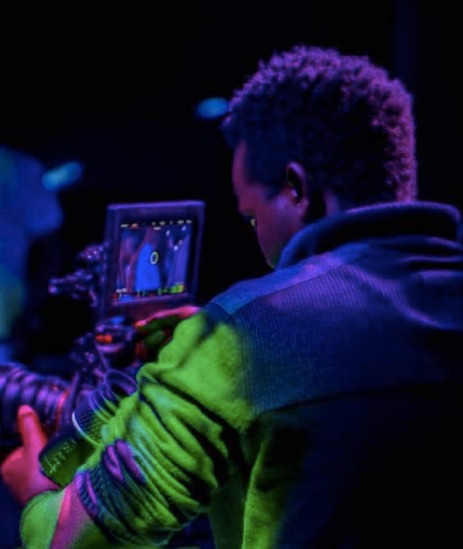
His perspective mirrors the philosophy of Roger Deakins, the cinematographer Udahemuka cites as his greatest inspiration.
“I admire his mastery of naturalistic lighting,” he says, “and his belief that cinematography should serve the emotional truth of the story rather than draw attention to itself.”
Projects and creative Challenges
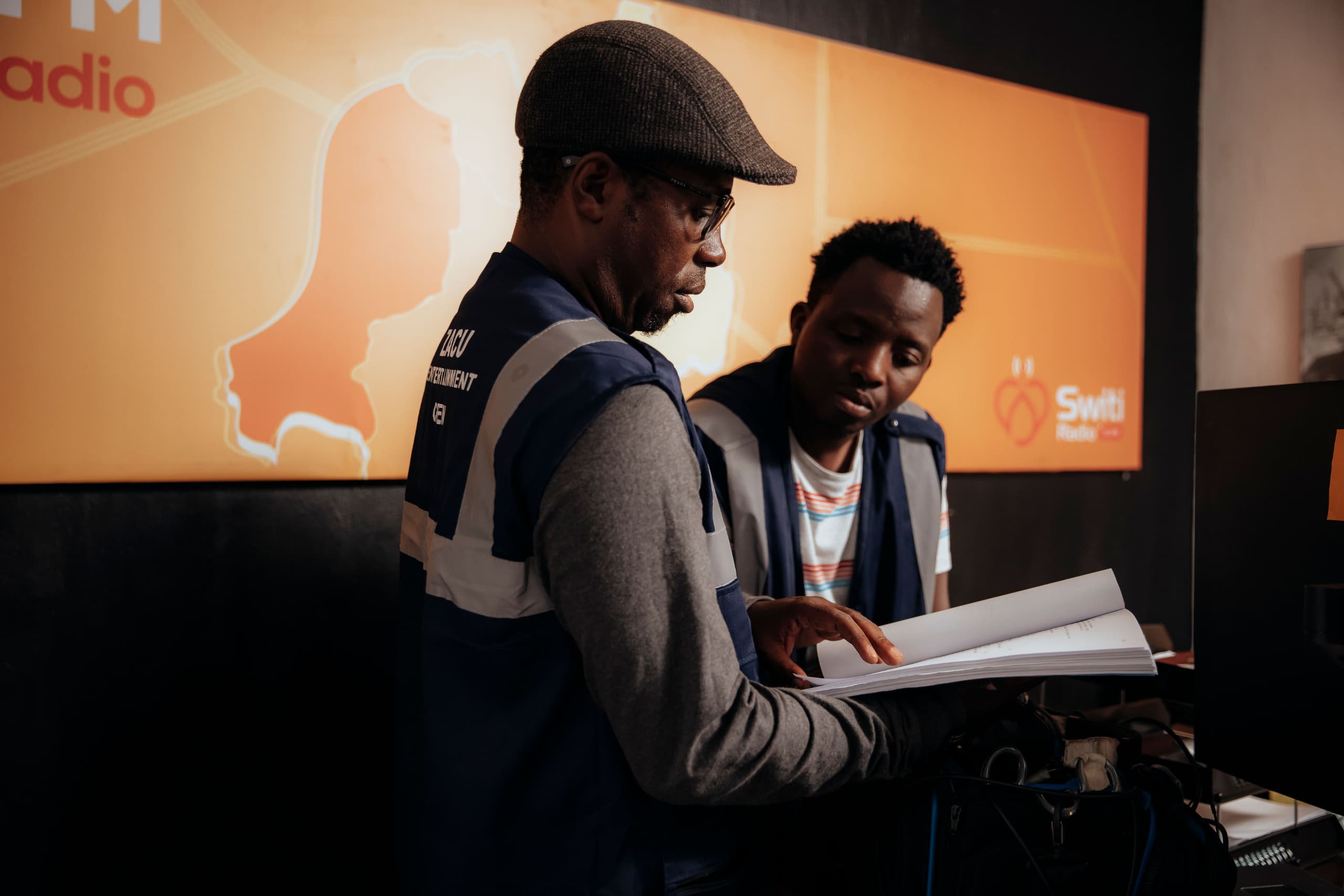
Among the projects he considers most significant are Ejo Si Kera, The Pact, Kaliza wa Kalisa, and The Greenland.
“These projects allowed me to push my creative boundaries and further define my visual storytelling.”
His most demanding visual challenge came with the feature film Selfish.
“We operated with a minimal crew and limited equipment. It required constant creative problem-solving to achieve strong production value. That experience reinforced that narrative impact is not defined by budget size.”
Learning beyond the camera department
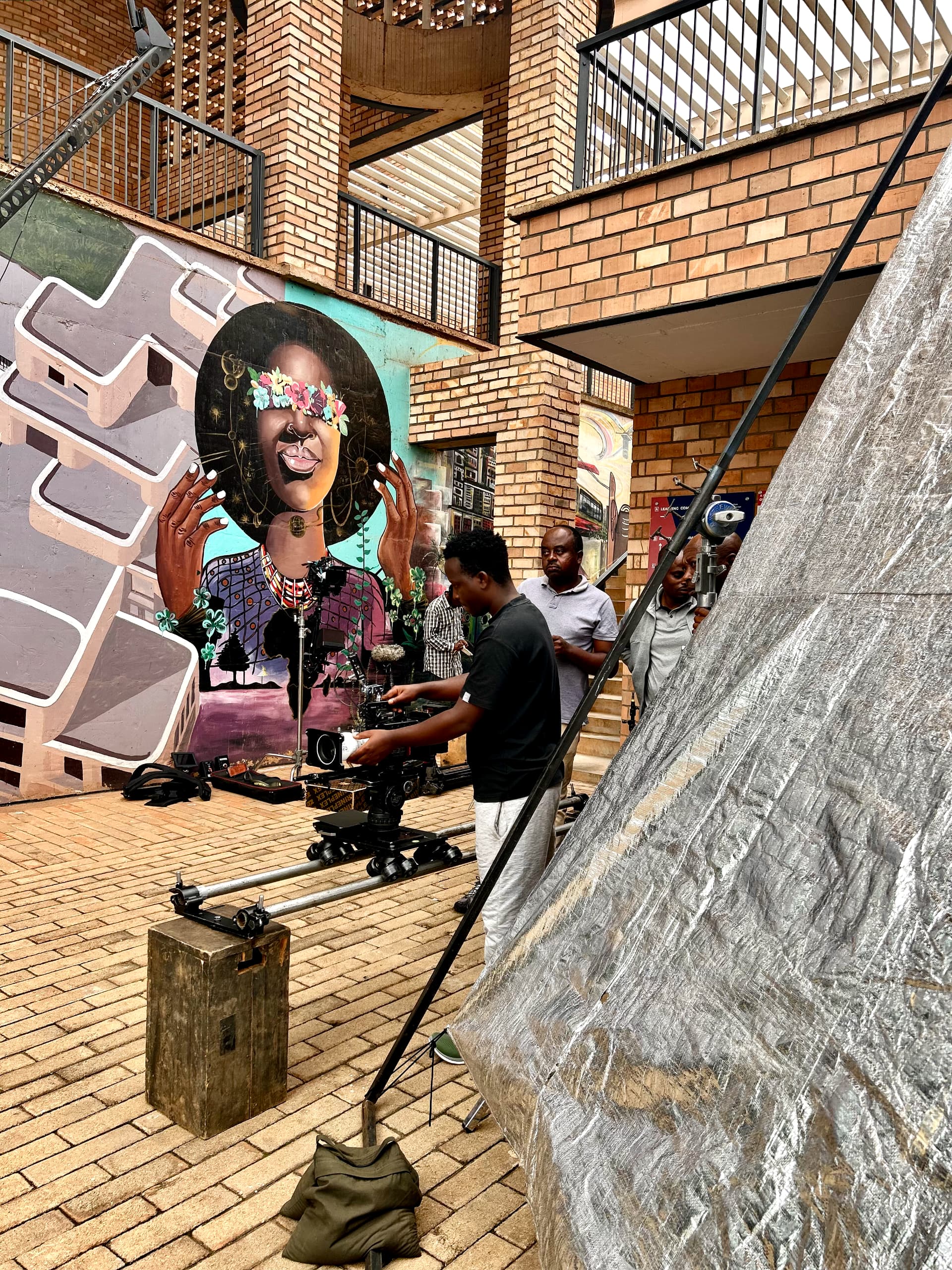
Louis’s career has also included cross-departmental experiences. Serving as Assistant Grip on Neptune Frost exposed him to international production standards and technical precision.
“Although I wasn’t the DoP, it was a masterclass in high-level filmmaking.”
That trajectory continued with Alkebu-lan, a project he describes as transformative for introducing him to cinematographer John Njaga Demps.
“His mentorship and humility pushed me to challenge my creative boundaries.”
He also credits collaborations on projects such as the Amazon Prime reality series Ebuka Turns Up Africa and the Giants of Africa Festival for expanding his technical and creative range.
Recognition and awards
Louis’s work has earned increasing recognition within the regional film industry, including:
- Best Cinematographer — Rwanda International Movie Awards (2023)
- Best Director of Photography — Mashariki African Film Festival (2024, 2025)
- Best Editor — Thousand Hills Academy Awards (2015)
Reflections on Rwanda’s film industry
While acknowledging industry progress, Louis points to persistent structural challenges.
“The primary obstacles for DoPs in Rwanda remain limited access to advanced technical training and the high cost of professional equipment.”
Despite these constraints, he notes steady improvement.
“Access to equipment is becoming significantly easier compared to previous years.”
He also highlights broader developments shaping the industry.
“The emergence of new film schools and increased government investment in creative industries are creating important opportunities for filmmakers.”
‘More than a profession’
For Louis, cinematography remains deeply personal.
“Cinematography is more than a profession — it is life itself.”
“What fuels my passion is the artistry inherent in the craft. I consider myself a story-first artist.”
When navigating creative pressure, he prioritizes composure and perspective.
“I remain calm and allow space to step back. Being open to others’ ideas often leads to the strongest creative solutions.”
Lessons and the road ahead
Reflecting on his journey, one principle stands above all:
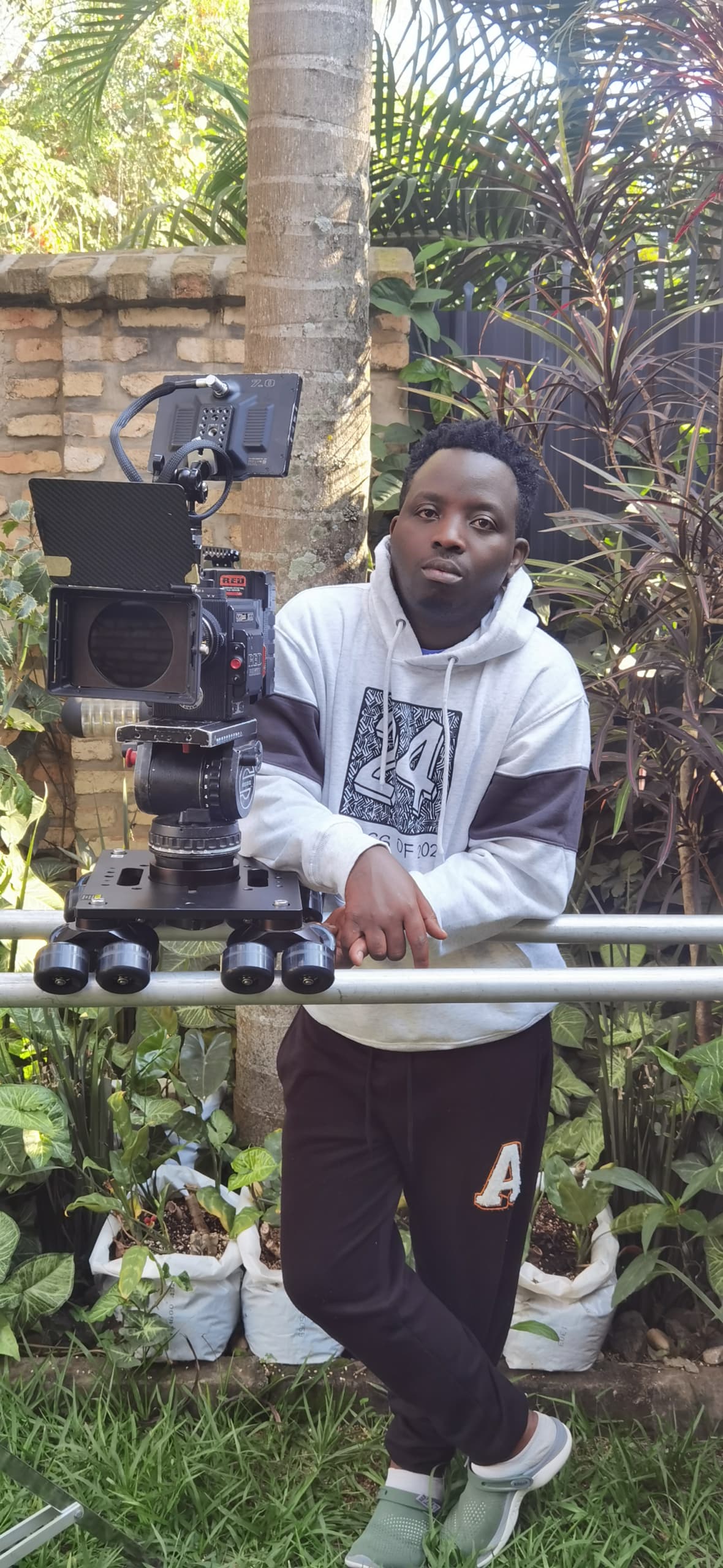
“The most profound lesson filmmaking taught me is to remain humble while constantly challenging myself to surpass my previous work.”
His advice to emerging cinematographers echoes that philosophy:
“Keep pushing forward. Never stop learning. Stay humble and disciplined.”
Looking ahead, Louis aims to refine his craft further while expanding into original productions and mentorship.
“I hope my work inspires others to believe that a successful career in film is possible. Ultimately, I want my visuals to foster a deeper love for cinema in Rwanda.”
Louis’s selected credits
Director of Photography (DoP)
- Kaliza wa Kalisa (TV Series)
- Ejo Si Kera (TV Series)
- The Pact (Feature Film)
- Ishusho ya Papa (Father’s Portrait) (TV Series)
- Green Land
- Selfish
- Ibyahishuwe
Camera & Gimbal Operator
- Ebuka Turns Up Africa
Assistant Grip
- Alkebulan
- Neptune Frost
Multi-hyphenate credits
- Indoto (TV Series) — Director of Photography, Director, Editor, Music Composer, Songwriter