
Director Roger Niyoyita: A journey through cinema, purpose and legacy
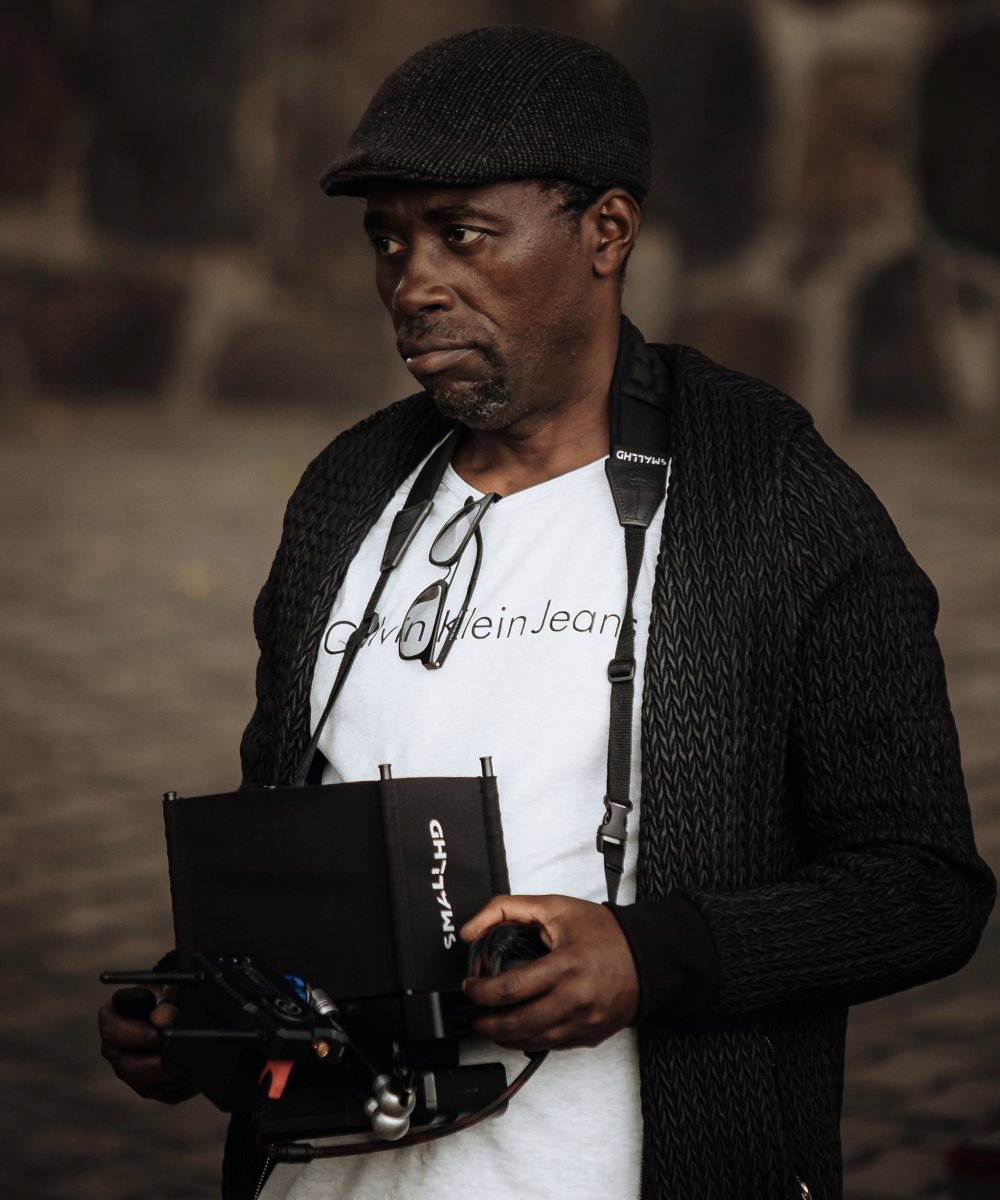
Before audiences knew his name, Roger Niyoyita learned one of cinema’s earliest lessons: even scenes can disappear. Decades later, he has become one of Rwanda’s respected filmmakers, known for building stories with patience, discipline, and purpose.
In an exclusive interview, the Rwandan director and writer reflected on his beginnings, creative philosophy, career milestones, and his vision for the future of cinema in Rwanda.
Born in Musanze, Rwanda, Roger has built a career defined not by shortcuts, but by persistence, preparation, and a deep commitment to storytelling.
A childhood surrounded by film
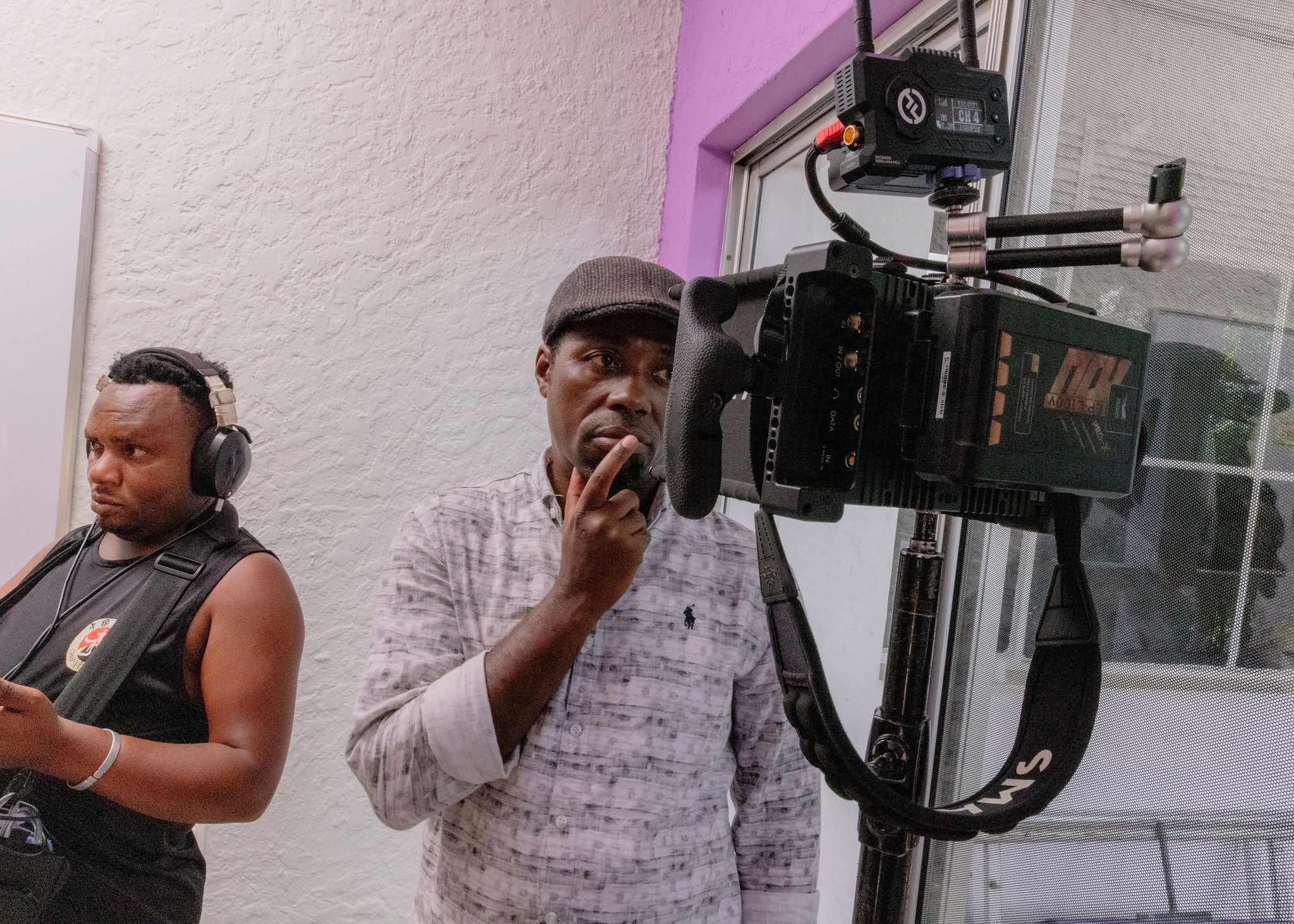
Roger’s first connection to cinema came through his father, who worked as a film fixer, helping productions recruit actors and actresses.
At the age of eight, Roger appeared in a film for the first time.
“When the film came out, my scenes had been cut during editing. I was sad at first, but later, as I learned more about the industry, I understood that such things happen.”
Rather than discouraging him, the moment became an early lesson in how filmmaking works.
He later began helping at his father’s movie theater, selecting films, designing flyers, and assisting with screenings—an experience that deepened his early understanding of cinema.
“That gave me a foundation. Even when I had to choose academic paths in secondary school and university, my heart always pointed me back to cinema. I wanted to be a director.”
Learning the craft
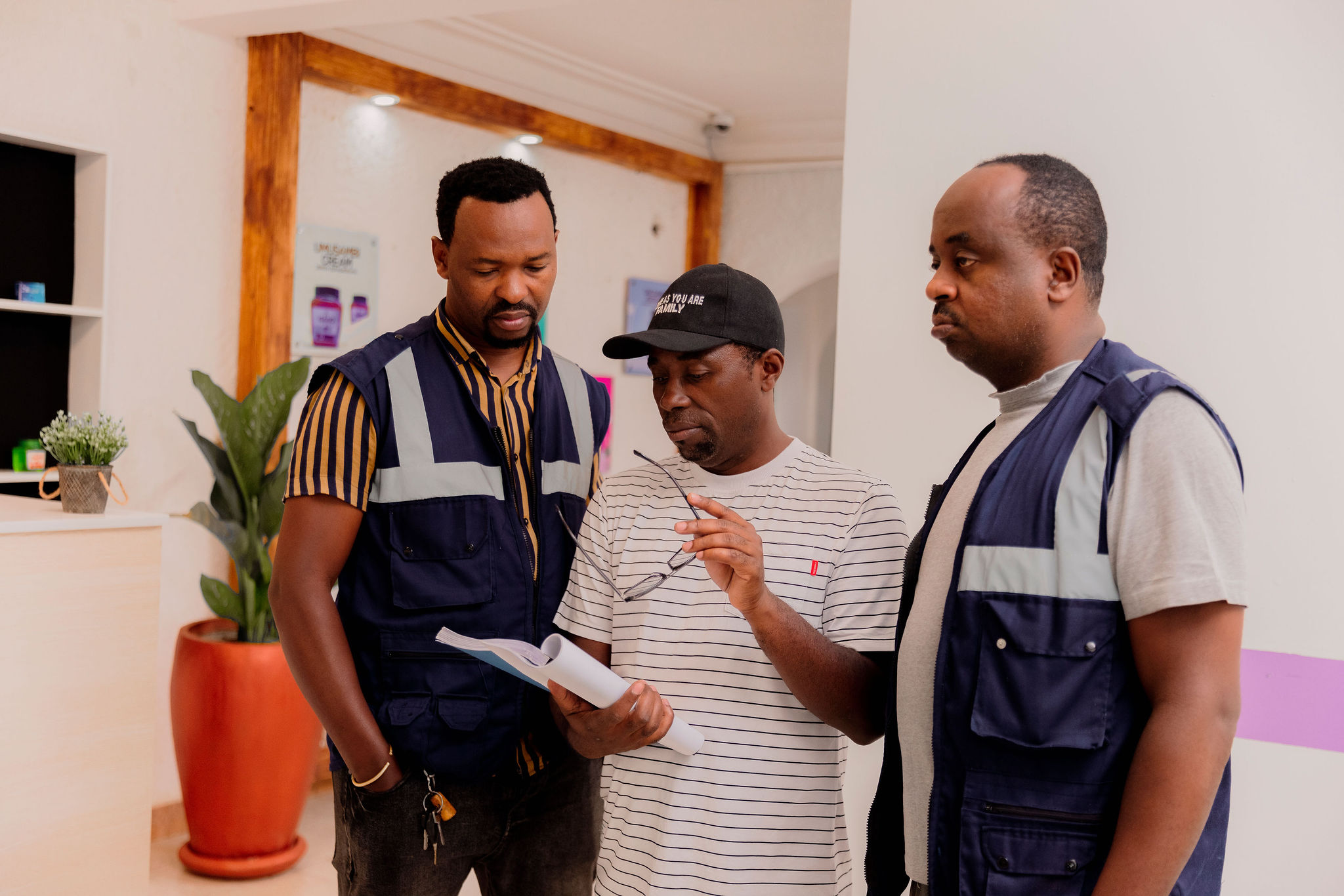
Although university offered limited opportunities in filmmaking, Roger searched for knowledge elsewhere. He joined workshops and training programs through the Rwanda Cinema Center, the Swedish Institute, and American-led initiatives.
Breaking into those spaces was not easy, particularly the Rwanda Cinema Center, which was highly selective. But he pushed through and eventually gained entry.
That determination would later define his career.
The breakthrough: Mutoni
Roger credits a major turning point to the Maisha Film Lab, founded by acclaimed filmmaker Mira Nair. Based in Uganda, the initiative supported East African filmmakers through script development and training.
Participants had to submit scripts, with only selected projects chosen for production.
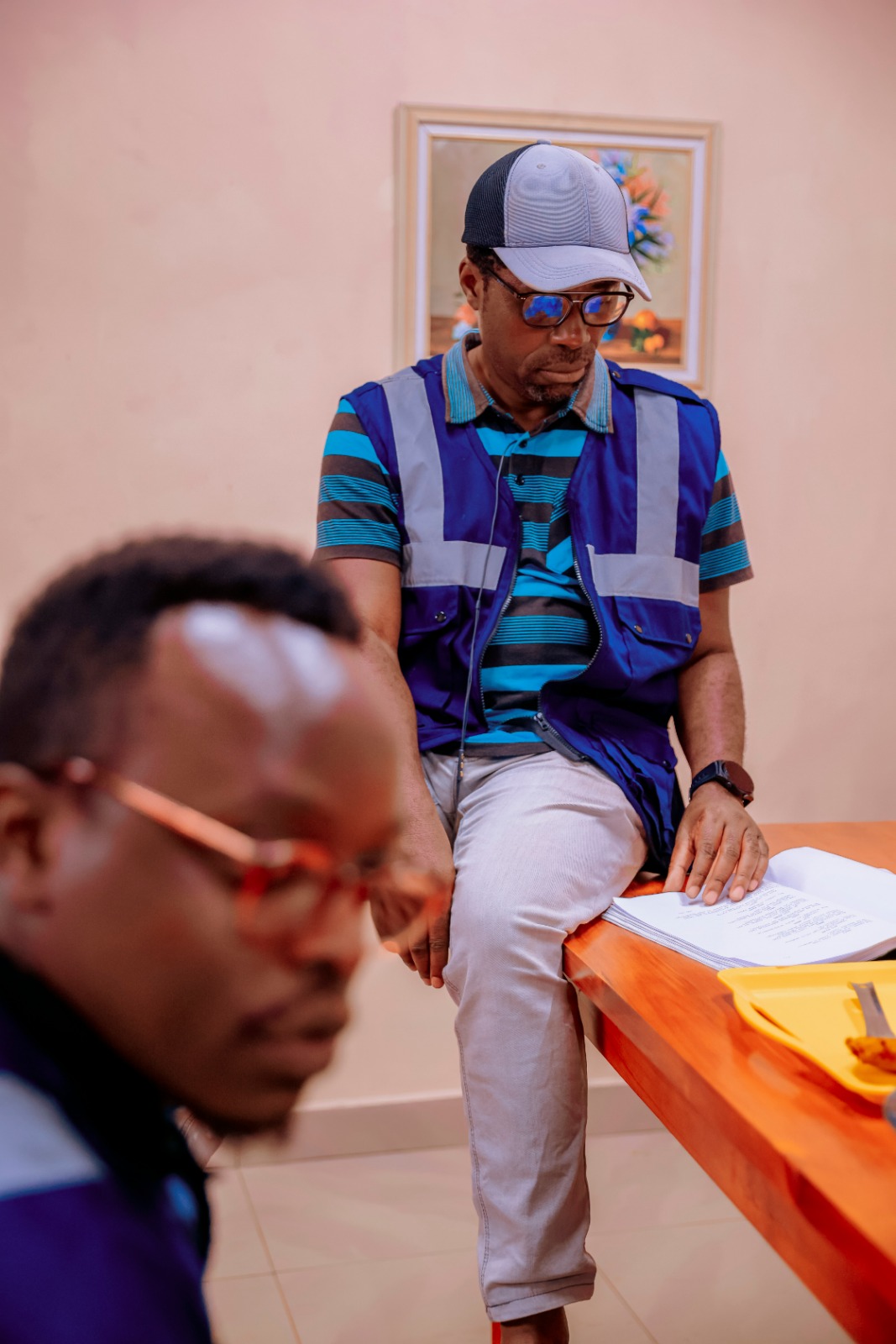
“My script Mutoni was chosen. It was my first major project and was screened at the Goethe-Institut. That day, I understood the emotional power of cinema. I felt it both as a filmmaker and as part of the audience. It confirmed that storytelling was my true calling.”

Building a career across film and television
Rather than limit himself to one role, Roger worked across different areas of production to sharpen his craft.
In 2013, Wilson Misago, CEO and founder of Zacu Entertainment, invited him to cast for a bold new television series.
“We created a series called Ubu Nejo. It didn’t succeed—not because it wasn’t good, but because it was ahead of its time. People weren’t ready for something different. But it showed us that change was possible.”
Though the series struggled commercially, it remains an example of Roger’s willingness to challenge expectations.
Years of steady preparation led to a major opportunity in 2019, when he was selected to direct the big-budget film Ejosikera.
“It felt like learning to drive for the first time. I knew it was my moment. I had prepared for years, and I gave it everything.”
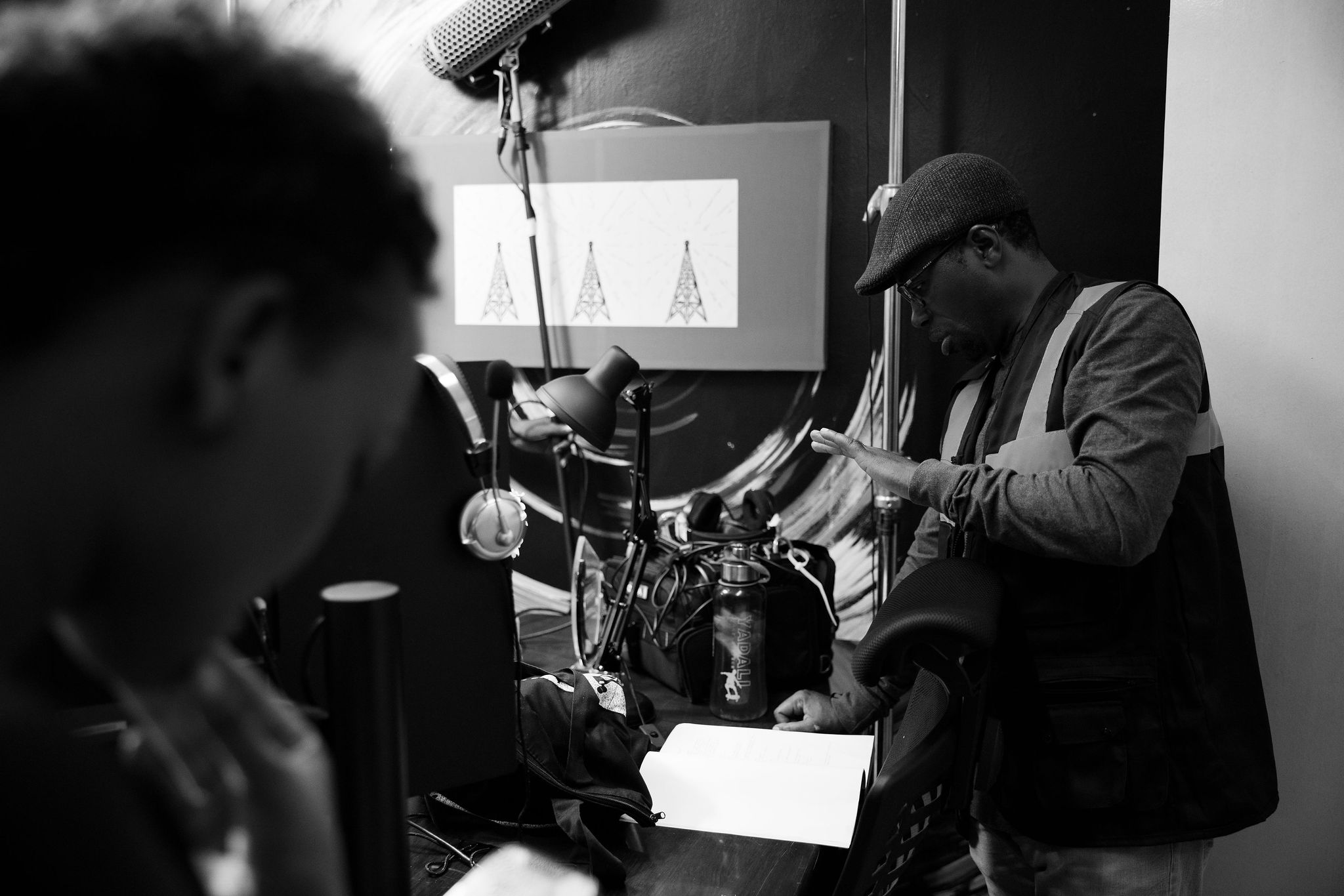
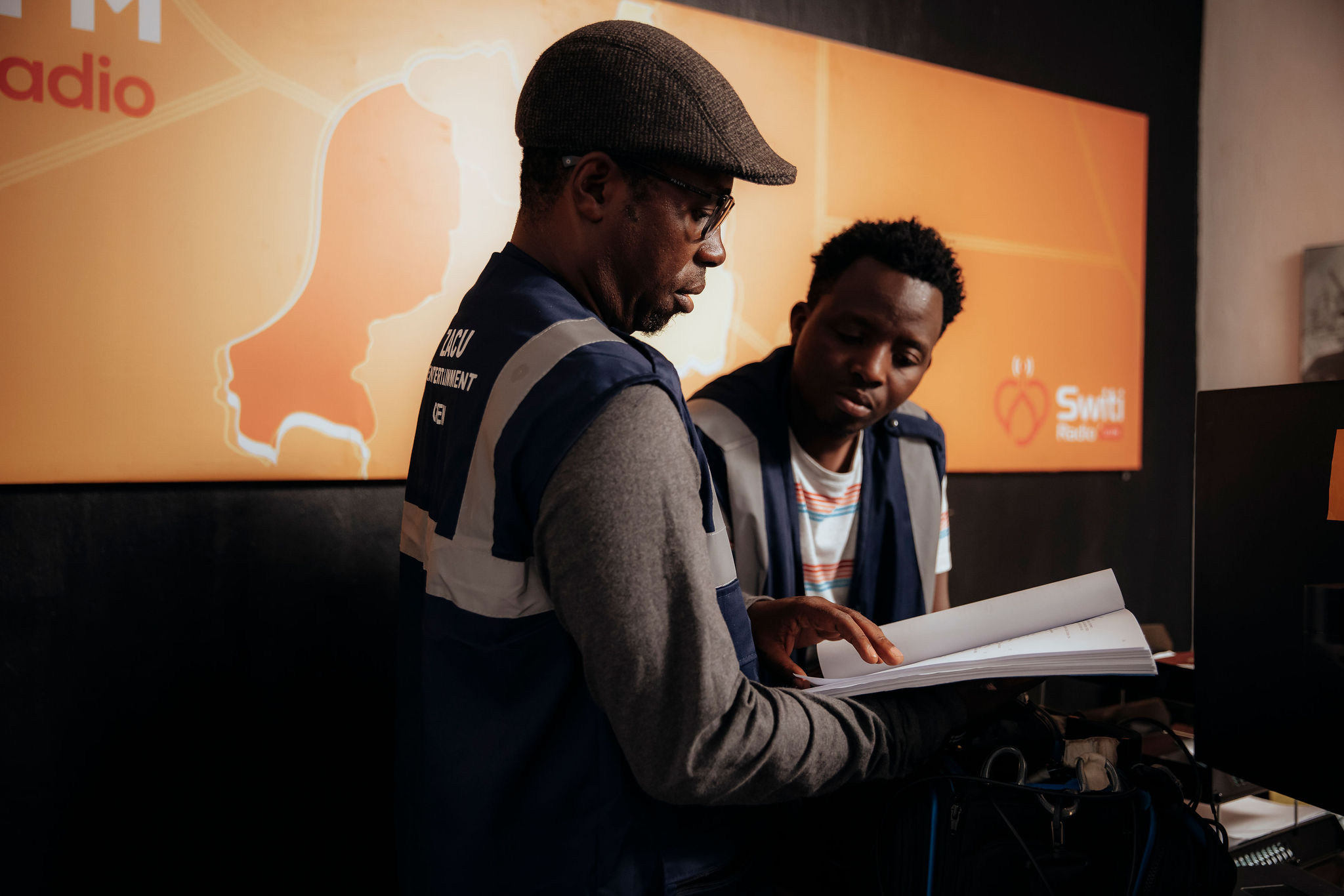
Over the years, Roger has developed a reputation for versatility and consistency across both film and television. His body of work includes Ejosikera, The Bishop Family, Kaliza wa Kalisa, Ibyahishuwe, Hands of hope, and the popular sitcom Shuwadilu.
The Bishop Family also expanded beyond Rwanda after being dubbed into French under the title Une sacrée famille Bishop. The series went on to reach audiences across French-speaking countries around the world, marking another milestone in Roger’s growing international reach.
Whether backed by major budgets or modest means, his mission remains the same: telling culturally authentic stories that connect with audiences.
Recognition and continued growth
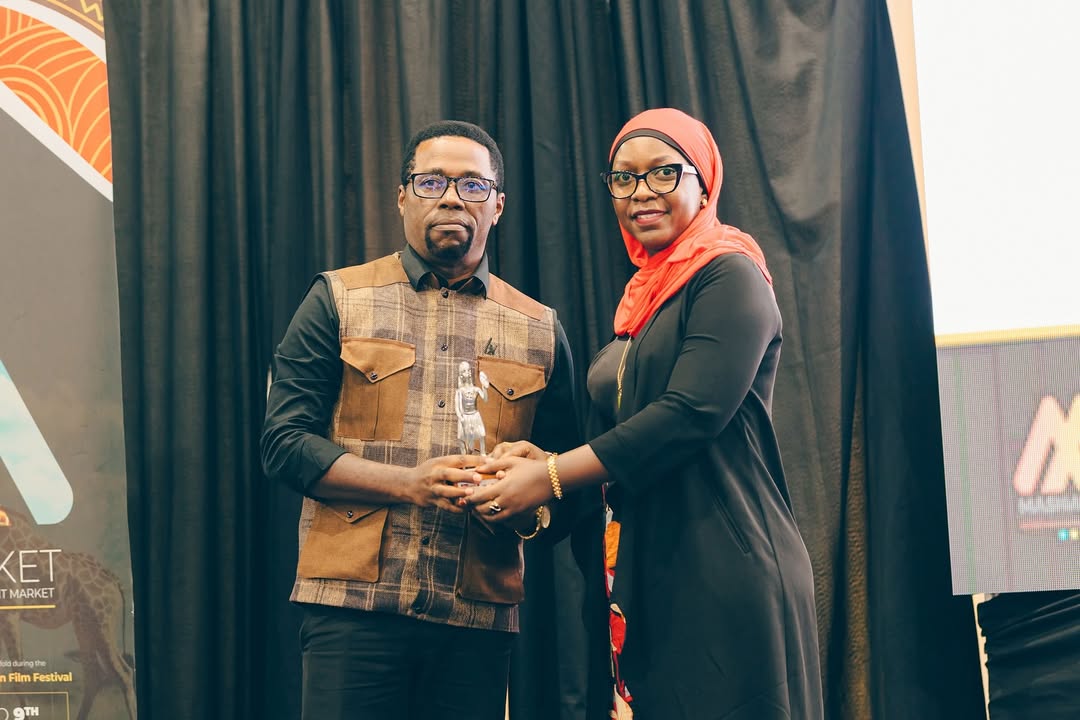
Roger’s work has also earned industry recognition. At the 10th Mashariki African Film Festival in 2024, he won the IZIWACU Best Director (TV Series) award.
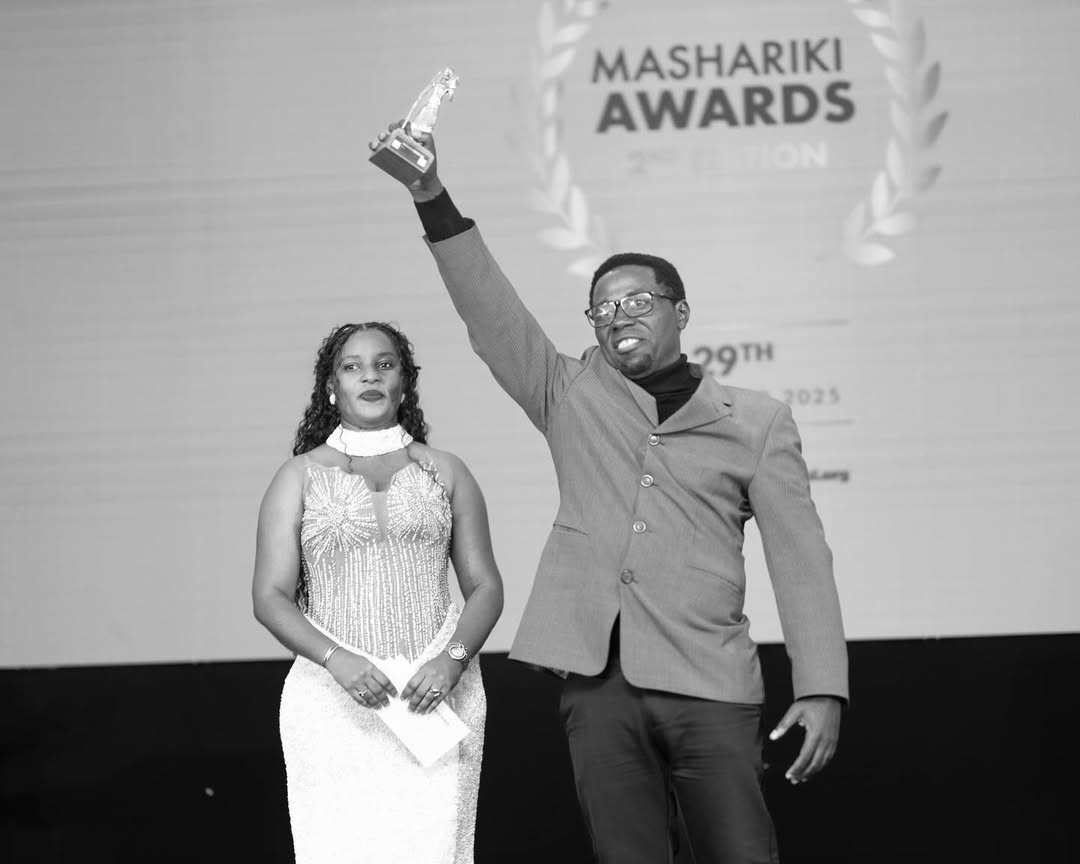
He followed that success when Ibyahishuwe, which he wrote and directed, won Best Feature Film at the festival’s 11th edition.
He also directed Hands of Hope, released on March 8 in celebration of women, reflecting his interest in socially conscious storytelling.
A director guided by meaning
When asked about his favorite project, Roger pointed to The Bishop Family.
“It didn’t have a big budget, but it had a strong story. I didn’t base my work on the resources—I based it on what I wanted the final product to be. I wanted it to be something I’d be proud to watch again tomorrow.”
His philosophy remains simple:
“I don’t rush. I build slowly and release what’s worth it. I don’t just make films to finish them—I make them to mean something.”
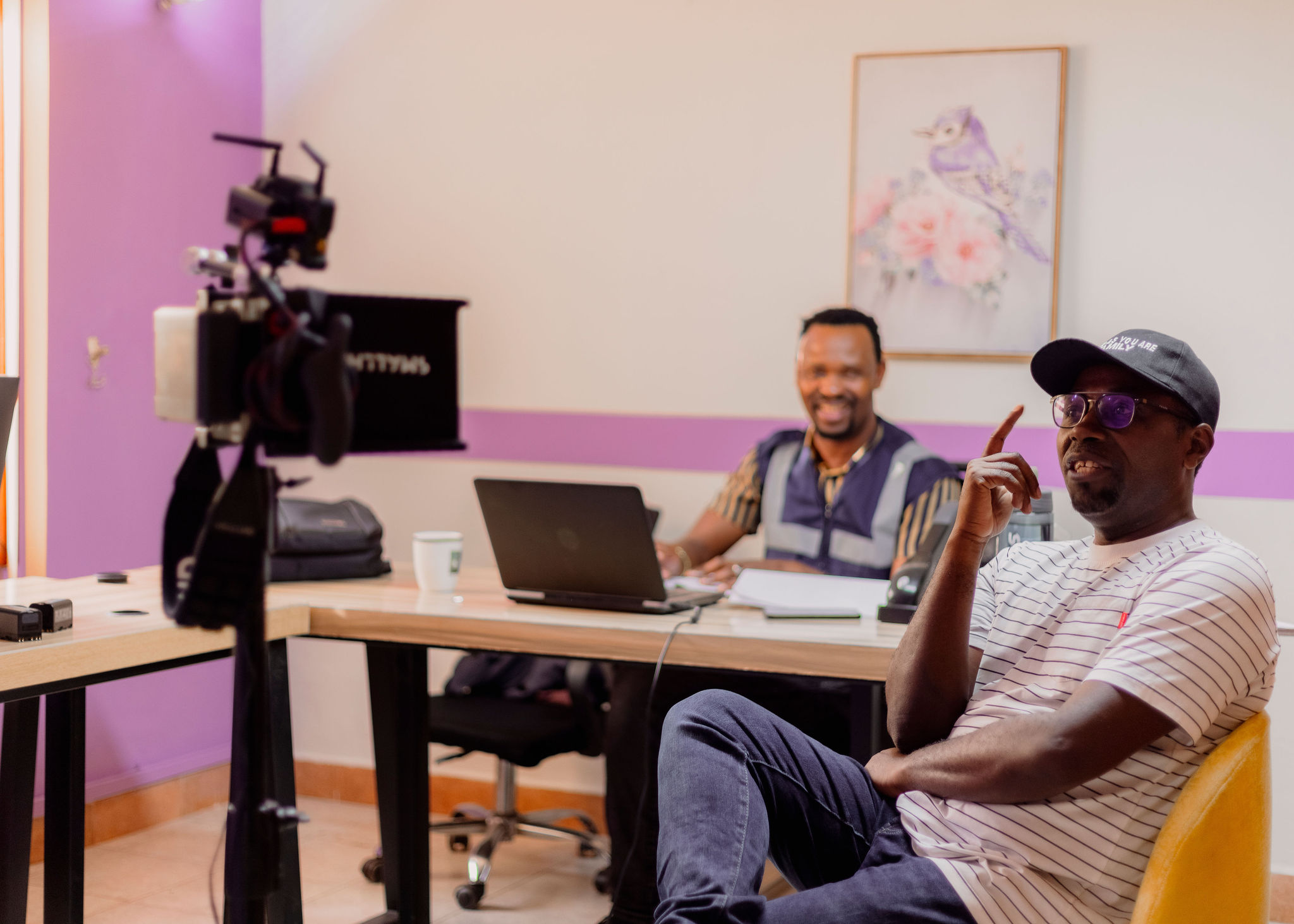
Roger has helped normalize ambitious local television storytelling while proving that Rwandan stories can travel far beyond their origins.
Mentoring the next generation
Roger believes strongly in mentorship and patience.
“Don’t rush. Ask for advice. Learn. Look at Pacifique, who now directs City Maid and Indoto. He started by doing costumes, observing directors closely. He gave himself time to grow. That’s the secret.”
His emphasis on observation, discipline, and growth has inspired many younger creatives entering the industry.

His vision for Rwanda
Roger hopes cinema in Rwanda will one day be valued as strongly as football.
“Cinema teaches, advertises, inspires—it doesn’t require a passport to reach the world. I hope people will begin to invest in it as they do in sports.”
He credits his father for introducing him to cinema, along with pioneers Eric Kabera and Wilson Misago, whom he describes as godfathers of Rwandan cinema.
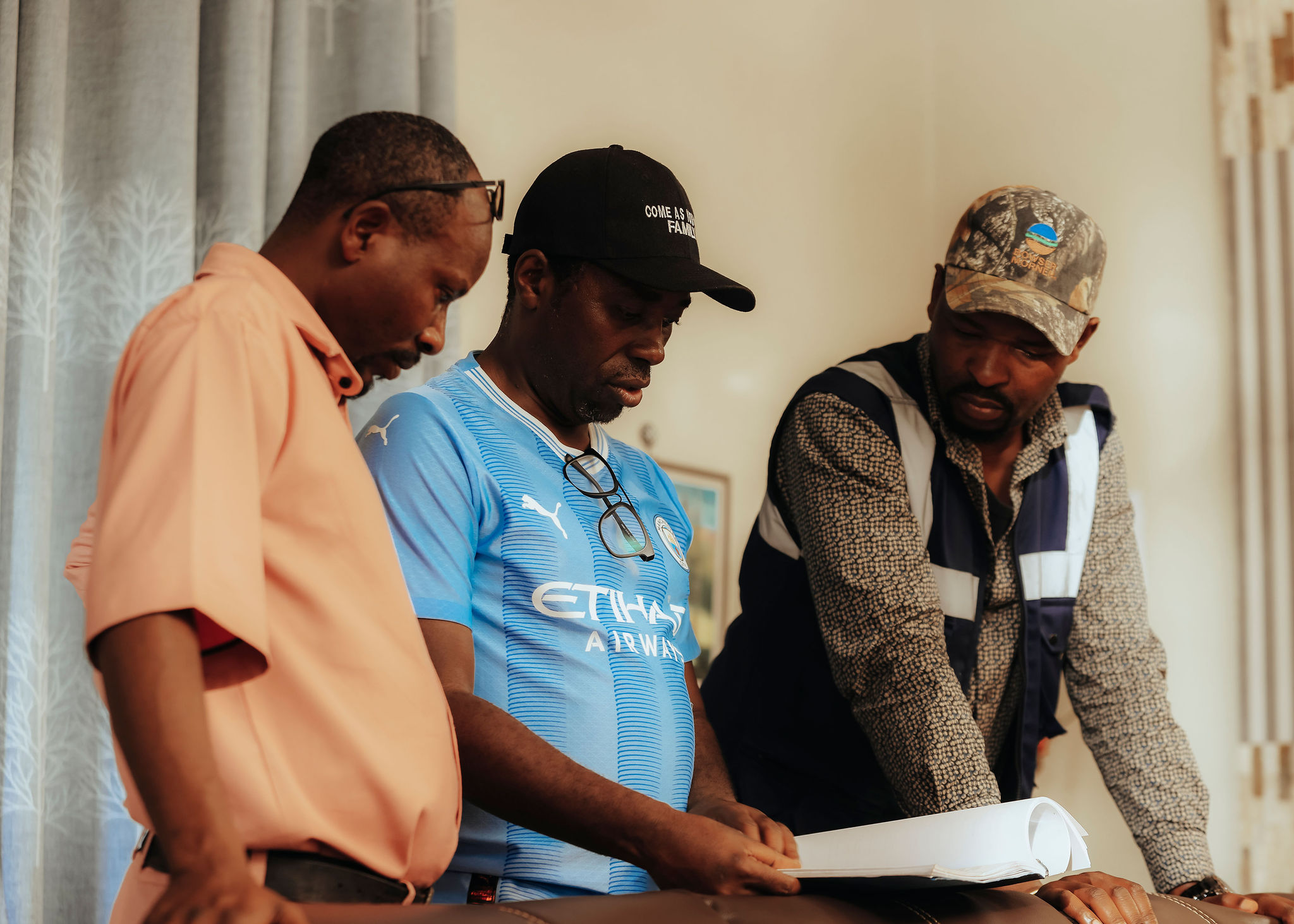
Through his work, Roger continues to show that local stories can hold both artistic depth and global relevance.
From the boy whose first scene was cut to a filmmaker now shaping screens across Rwanda, Roger Niyoyita’s journey reflects patience, resilience, and a lasting belief in the power of storytelling.