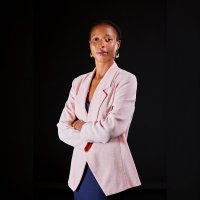
Clémentine Dusabejambo, Rwandan filmmaker: Seeing the unseen
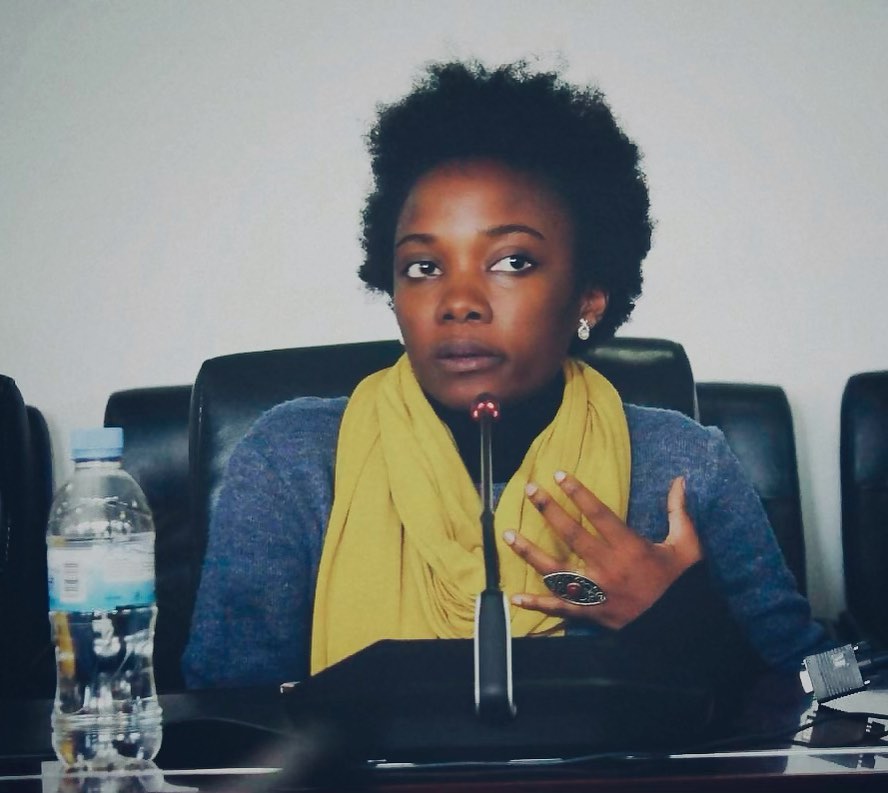
Clémentine Dusabejambo did not arrive at cinema through red carpets or film schools. Her journey began in Kigali in 2008, when she joined a small group of young neighborhood filmmakers, driven by curiosity rather than ambition. At the time, she was studying electronics and telecommunications engineering at the former Kigali Institute of Science and Technology (KIST), preparing for a future far removed from cinema. Yet it was in those early, informal encounters that she discovered storytelling as a tool for observing and questioning the world.
Born in 1987, Dusabejambo holds a degree in Electronics and Telecommunications Engineering, a background that shaped her approach to filmmaking. Methodical and precise, she later transferred these qualities into her writing and directing. Largely self-taught, she developed her craft through workshops, residencies, and mentorship programs across Africa and Europe, choosing learning environments rooted in dialogue, discipline, and reflection.
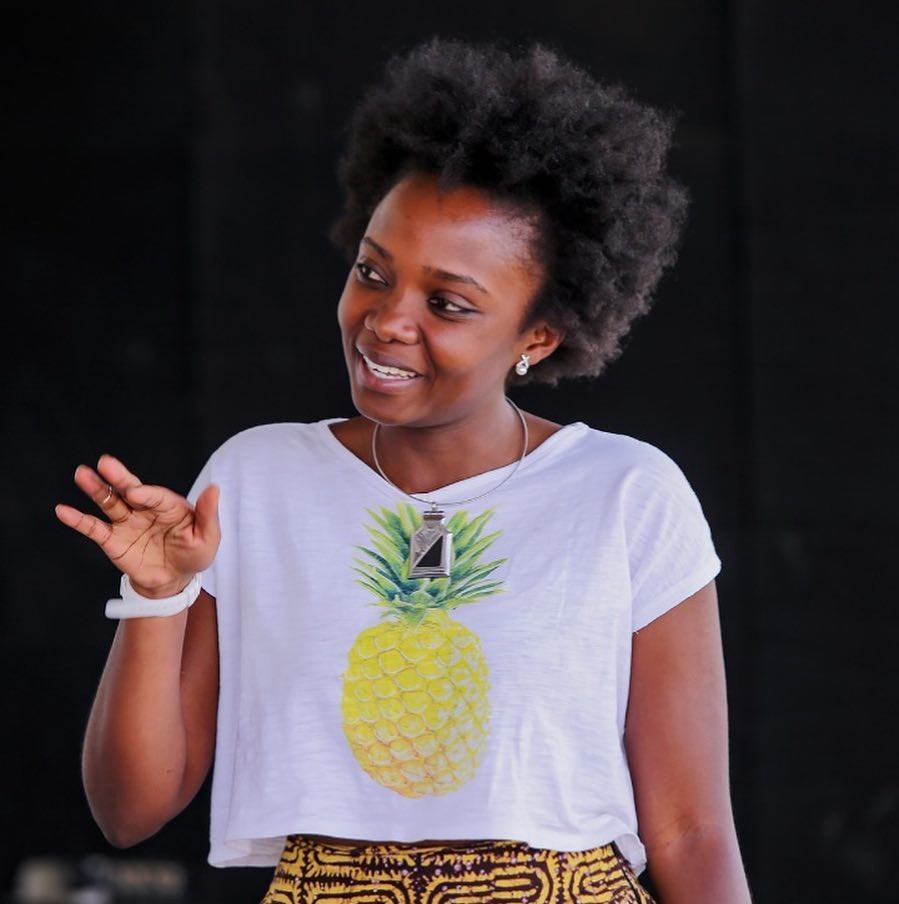
A decisive turning point came in 2010, when she responded to a script competition call by the Tribeca Film Institute — and won. The prize allowed her to direct her first short film, Lyiza, marking the beginning of her professional filmmaking career.
Lyiza: Cinema as moral tension
Released in 2011, Lyiza is set in post-genocide Rwanda and follows a schoolgirl who recognizes a man in her community as one of her parents’ killers during the 1994 Genocide against the Tutsi. Rather than dramatizing confrontation, the film focuses on the psychological weight of coexistence — how memory inhabits everyday spaces, and how reconciliation remains fragile when imposed by circumstance rather than choice.
The film premiered at the Tribeca Film Festival and won the Tanit Bronze at the Carthage Film Festival in 2012, one of the most prestigious recognitions in African and Arab cinema. Lyiza also screened at Durban International Film Festival and Oberhausen, establishing Dusabejambo as a filmmaker capable of addressing Rwanda’s history with restraint, empathy, and ethical clarity.
Building a practice beyond the screen
Following Lyiza, Dusabejambo deepened her practice as a director, writer, and researcher. Between 2012 and 2016, she worked under Almond Tree Films Ltd in Kigali, developing shorts supported by the Goethe-Institut. During this period, she directed Behind the Word, which explored language, silence, and unspoken trauma in post-genocide Rwanda, and A Place for Myself, a deeply personal work confronting stigma and discrimination faced by people living with albinism.
At the same time, her engagement extended beyond cinema. From 2012 to 2017, she initiated and coordinated advocacy programs in Kigali, including the “Youth Initiative for Peace,” creating platforms to raise awareness and support people living with albinism. This activism directly informed her filmmaking, making her work inseparable from her commitment to social responsibility.
A place for myself: Challenging silence and stigma
Released in 2016, A Place for Myself tells the story of Elikia, a young Rwandan girl with albinism navigating discrimination at school and institutional neglect. The film was inspired by the 2007–2008 killings of people with albinism in Tanzania — acts of violence rooted in superstition and social exclusion.
Premiering at the Goethe-Institut in Kigali, the film traveled internationally, including the Toronto Black Film Festival in 2017. It received widespread recognition: the Ousmane Sembène Award and Best Short Film at the Zanzibar International Film Festival, the Thomas Sankara Prize at FESPACO, a Tanit Bronze at the Carthage Film Festival, and a nomination at the Africa Movie Academy Awards.
Icyasha: The violence of norms
In 2018, Dusabejambo released Icyasha, a short centered on a 12-year-old boy who dreams of joining a neighborhood football team but is bullied for being perceived as effeminate. Through restrained visuals and intimate performances, the film exposes how rigid ideas of masculinity are imposed early and often brutally.
Icyasha was nominated for Best Short Film at the Zanzibar International Film Festival, Carthage Film Festival, and the Africa Movie Academy Awards, and won the Golden Zébu for Panafrican Short Film at the Rencontres du Film Court Madagascar.
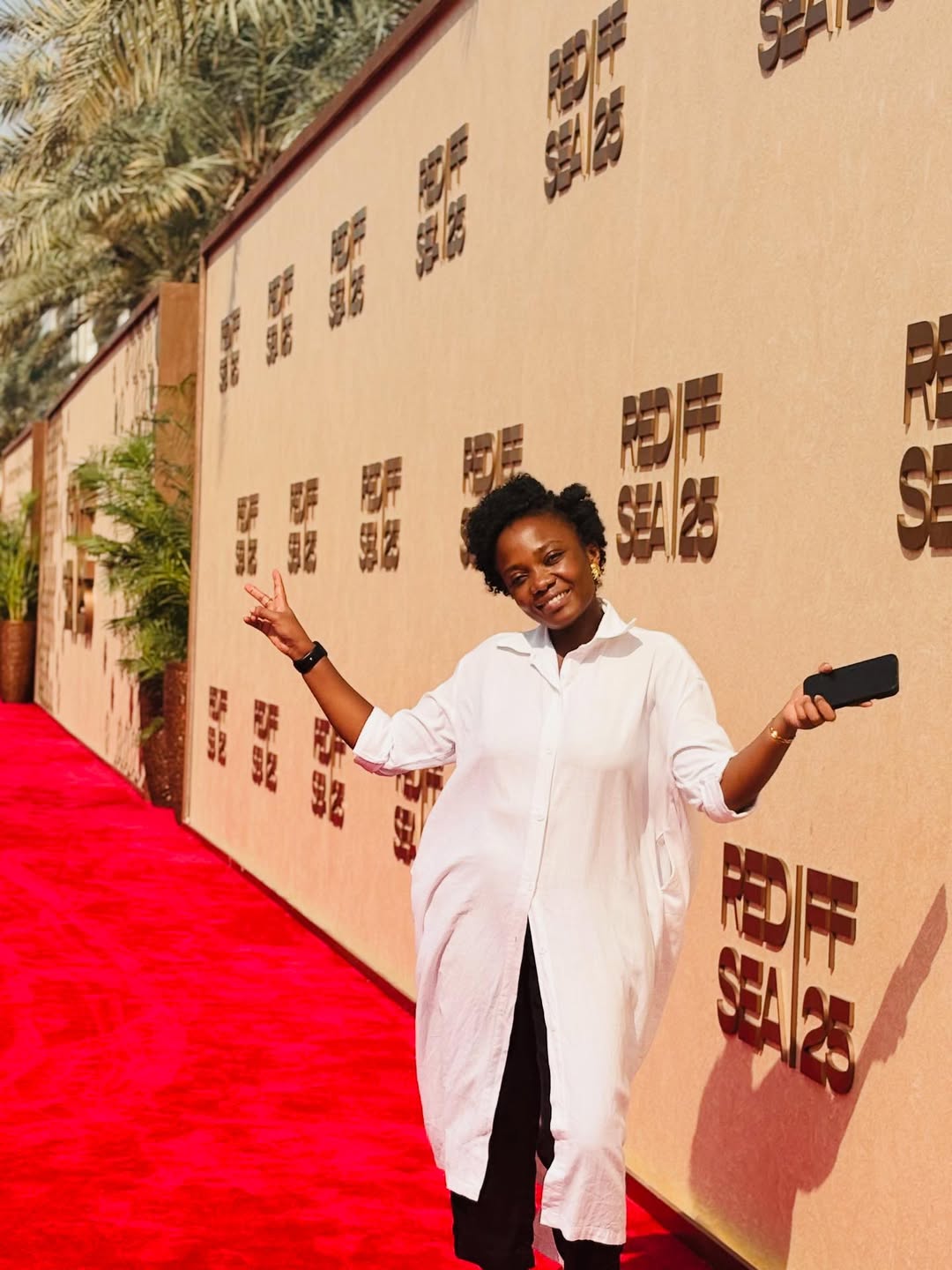
Across her body of work, Dusabejambo’s films have earned more than 25 awards and prizes across Africa, Europe, and North America, including major recognitions from FESPACO, the Carthage Film Festival, the Zanzibar International Film Festival, and the Africa Movie Academy Awards.
A Cinema formed through collaboration and research
Alongside her directing, Dusabejambo has contributed significantly to international cinema. She worked as a script supervisor and script doctor on Neptune Frost, directed by Saul Williams and Anisia Uzeyman, and as a researcher and assistant producer on Why We Hate?, a documentary series produced by Steven Spielberg and Alex Gibney.
She has also curated the European Union Film Festival in Rwanda and co-founded Ejo Cine Ltd, a Kigali-based production company. Her professional path reflects a filmmaker engaged with cinema not only as authorship, but as infrastructure.
Her training includes major international programs such as Sud Écriture, Ouaga Film Lab, Berlinale Talents, Less Is More Screenwriting Lab, La Fabrique Cinéma (Cannes), the Berlin Artist-in-Residence and NIPKOW programs, and the Junge Akademie of the Berlin Academy of Arts.
Looking forward: BENIMANA
Dusabejambo is currently developing her first feature-length fiction film, BENIMANA, a project that has passed through multiple writing labs and residencies across Africa and Europe. While she prefers not to share further details, the long development process reflects her commitment to depth, precision, and ethical storytelling.
A careful and necessary voice
In a film landscape often driven by urgency and spectacle, Clémentine Dusabejambo’s cinema insists on care — in observation, representation, and responsibility. Her stories center children, outsiders, and those navigating inherited or imposed identities, not to explain them, but to allow them space to exist with dignity.
Her career proves that powerful cinema does not emerge from noise or excess, but from patience, truth, and an unwavering refusal to look away.