
Cinema as witness: 14 films on the Genocide against the Tutsi
Every April, Rwanda remembers—but remembrance here is not quiet. It lives in names, in stories, and in images that refuse to fade.
Cinema has become one of the most powerful ways these memories are carried forward. Not just as history, but as lived experience—preserved through voices, faces, and moments that demand to be seen and understood. These films do more than document; they bear witness.
Here are 14 films that help us remember, understand, and reflect on the Genocide Against the Tutsi.
Stories of courage, survival, and resistance
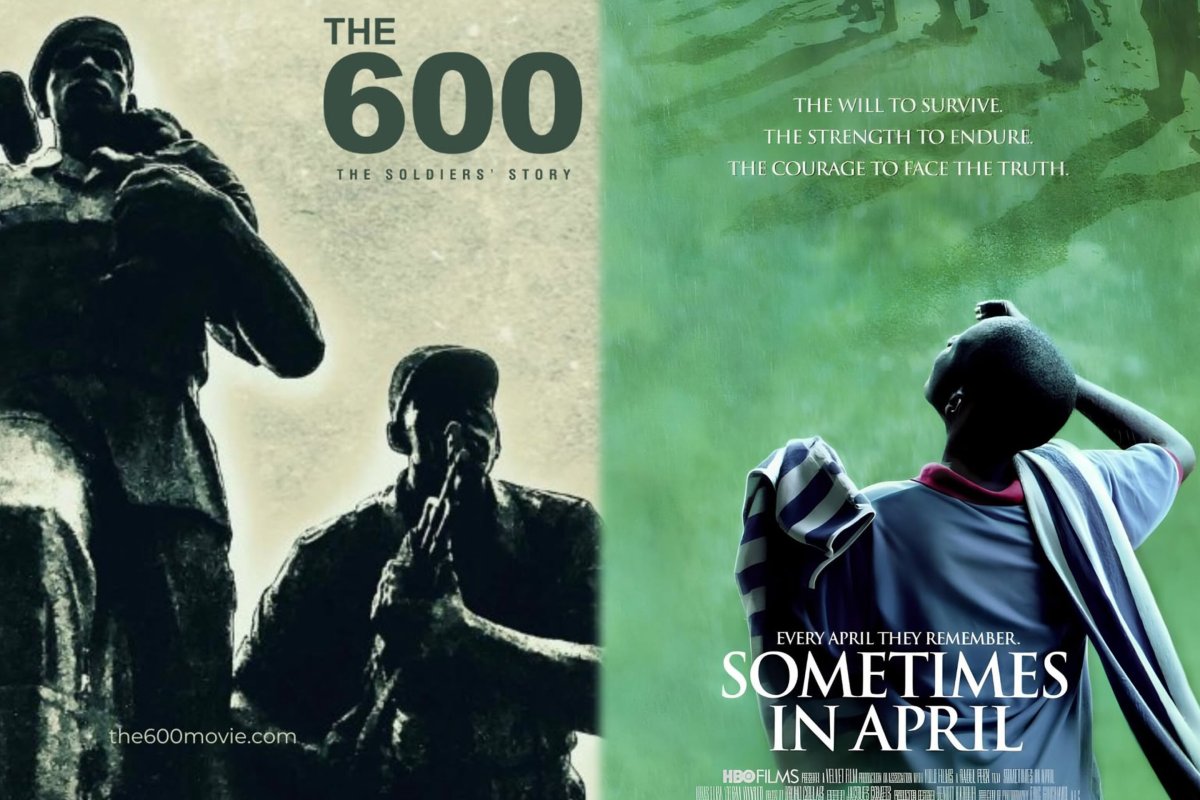
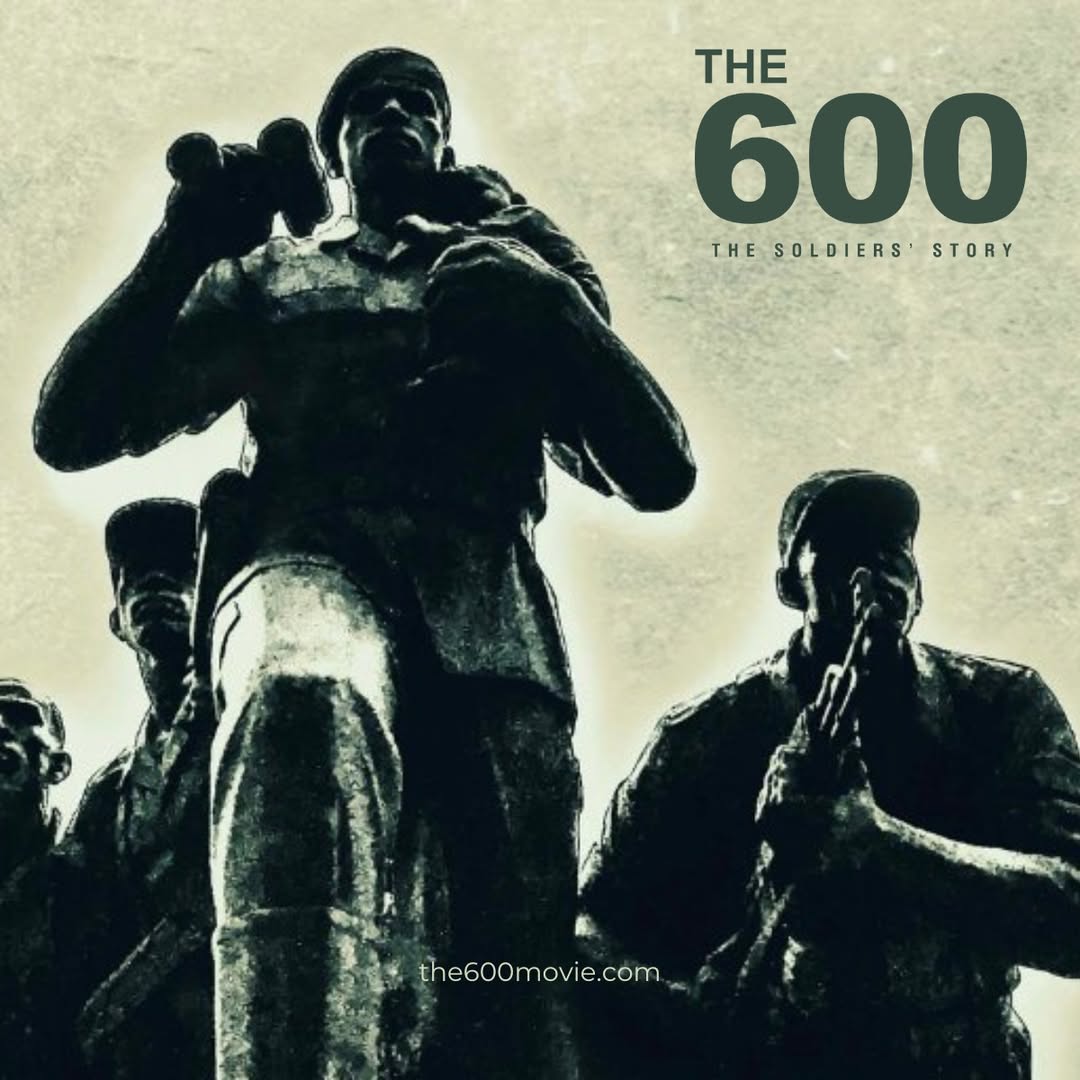
Few stories capture the scale of courage during the genocide as powerfully as The 600: The Soldier’s Story (2019). It recounts how 600 RPA soldiers, surrounded and outnumbered at Parliament, carried out daring rescue missions that saved thousands of civilians across Kigali.
In Ubumuntu – Rescuers, the focus shifts to ordinary individuals who chose humanity over fear. These “Gens de Bien” risked everything to protect others—reminding us that even in the darkest moments, compassion endured.
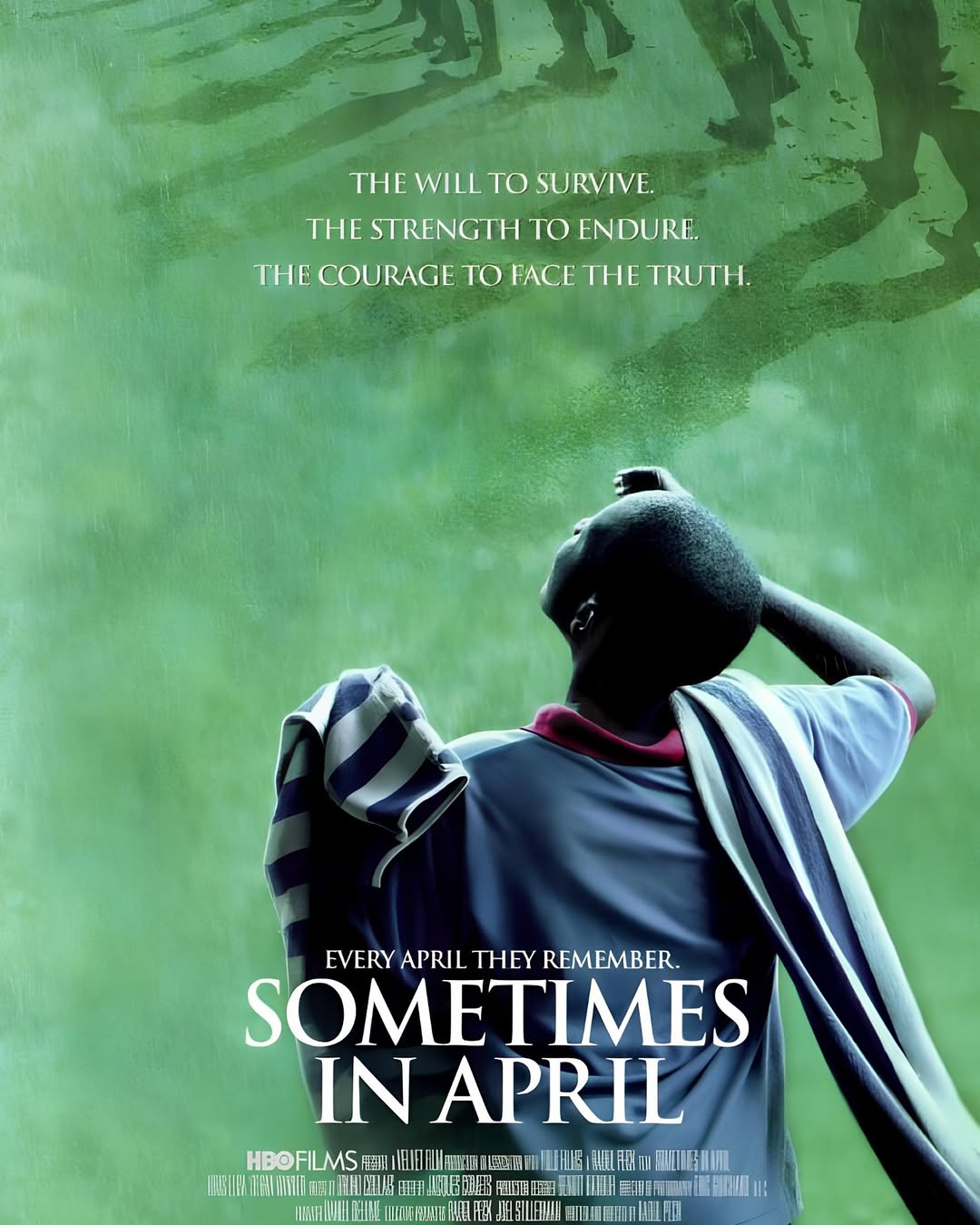
Sometimes in April (2005) offers one of the most intimate portrayals of this period, following an intermarried family torn apart by violence. Through deeply personal stakes, it captures the impossible choices people were forced to make.
Confronting silence and global failure
Beyond the violence itself lies another difficult truth: the world was watching.
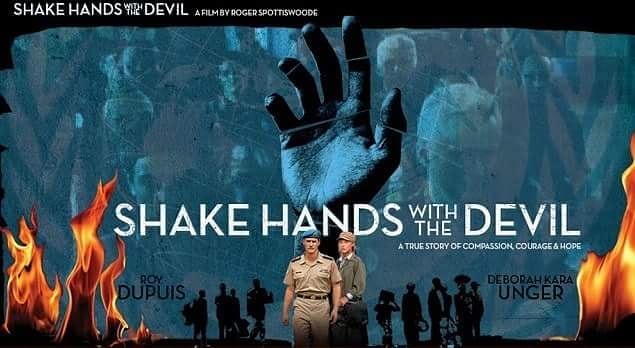
Not On My Watch examines the failure of the international community to intervene, while Shake Hands with the Devil (2007), based on General Roméo Dallaire’s memoir, provides a firsthand account of warnings ignored and opportunities lost.
Shooting Dogs (2005) brings this failure into sharp focus, dramatizing the abandonment of thousands of refugees at ETO School by UN forces. Few films convey this sense of betrayal as starkly.
These stories challenge us not only to remember what happened—but to question why it was allowed to happen.
The Power of Words
Long before the killings reached their peak, language had already begun its work.
Words That Kill reveals how RTLM radio spread hate and dehumanized Tutsis, turning neighbors into perpetrators. It’s a chilling reminder that violence is often preceded—and enabled—by words.
Memory, loss, and the future that was taken
But beyond the forces that fueled the genocide, the deepest scars are found in what was lost.
Our Future Lost stands as one of the most devastating reflections, focusing on the children who were killed—the futures that were never allowed to exist.
In A Sunday in Kigali (2006), a love story becomes a lens into a city on the brink, capturing the fragility of life just before everything changed.
These films don’t just show absence—they make us feel it.
Healing, identity, and life after
The story of the genocide does not end in 1994—it evolves.
Dreams of the Future follows survivors as they rebuild their lives, offering a portrait of resilience and quiet strength.
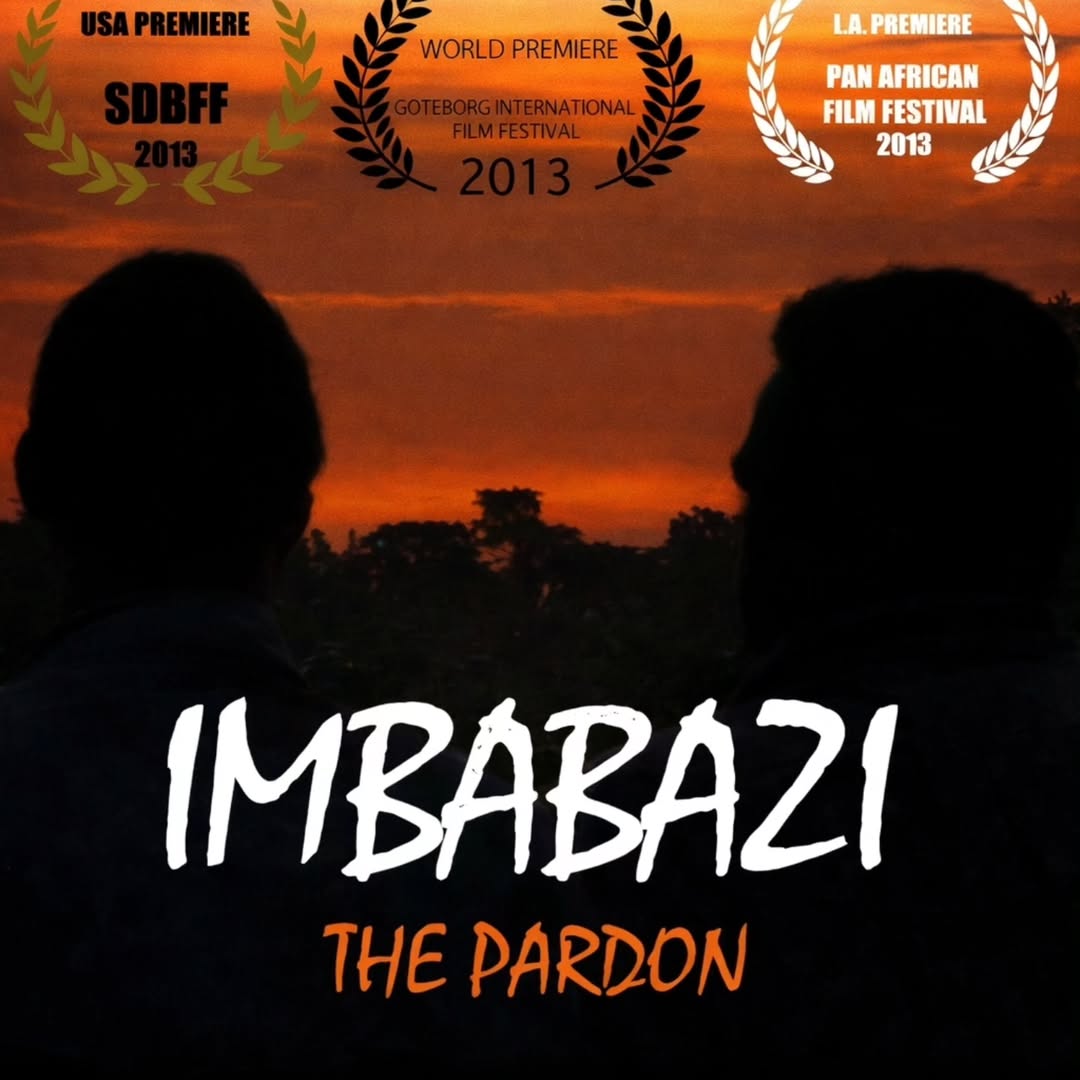
Imbabazi: The Pardon (2013), directed by Joel Karekezi, explores the fragile reality of reconciliation, where survivors and perpetrators must find ways to coexist.
For a younger generation, the questions are different but no less complex. Long Coat examines inherited guilt and the search for truth, while Grey Matter (2011), by Kivu Ruhorahoza, dives into psychological trauma and the struggle of telling these stories authentically through a bold, layered narrative.
A Nation remembering
Memory in Rwanda is not static—it is active, collective, and ongoing.
Kwibuka – Remember, Unite, Renew reflects this national journey, grounded in three pillars: remembrance, unity, and renewal. It speaks not only to where Rwanda has been, but to how it continues to move forward.
Where to watch
These films are available across a mix of platforms and institutions. Some can be found on streaming services like Amazon Prime Video and Apple TV, while others are accessible through the Kigali Genocide Memorial, Aegis Trust, and the Genocide Archive Rwanda. Select titles are also available on YouTube, particularly via official or educational channels. During Kwibuka, several are broadcast on Rwanda TV or screened at commemorative events.
Why these films matter
These films are not easy to watch—and they are not meant to be.
They ask us to witness. To listen. To sit with discomfort. More importantly, they ensure that the victims are not reduced to numbers, but remembered as lives—individual, human, and irreplaceable.
Cinema, in this context, becomes more than storytelling. It becomes memory.
And memory, when preserved and shared, becomes a form of resistance.
If there is one place to begin, start with The 600: The Soldier’s Story or Sometimes in April. Then keep going—because no single film can hold the weight of this history alone.
To remember is to honor.
To remember is to resist forgetting.
To remember is to ensure: Never Again.