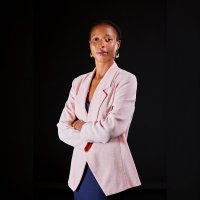
BAFTA Judge resigns after Tourette’s incident sparks controversy
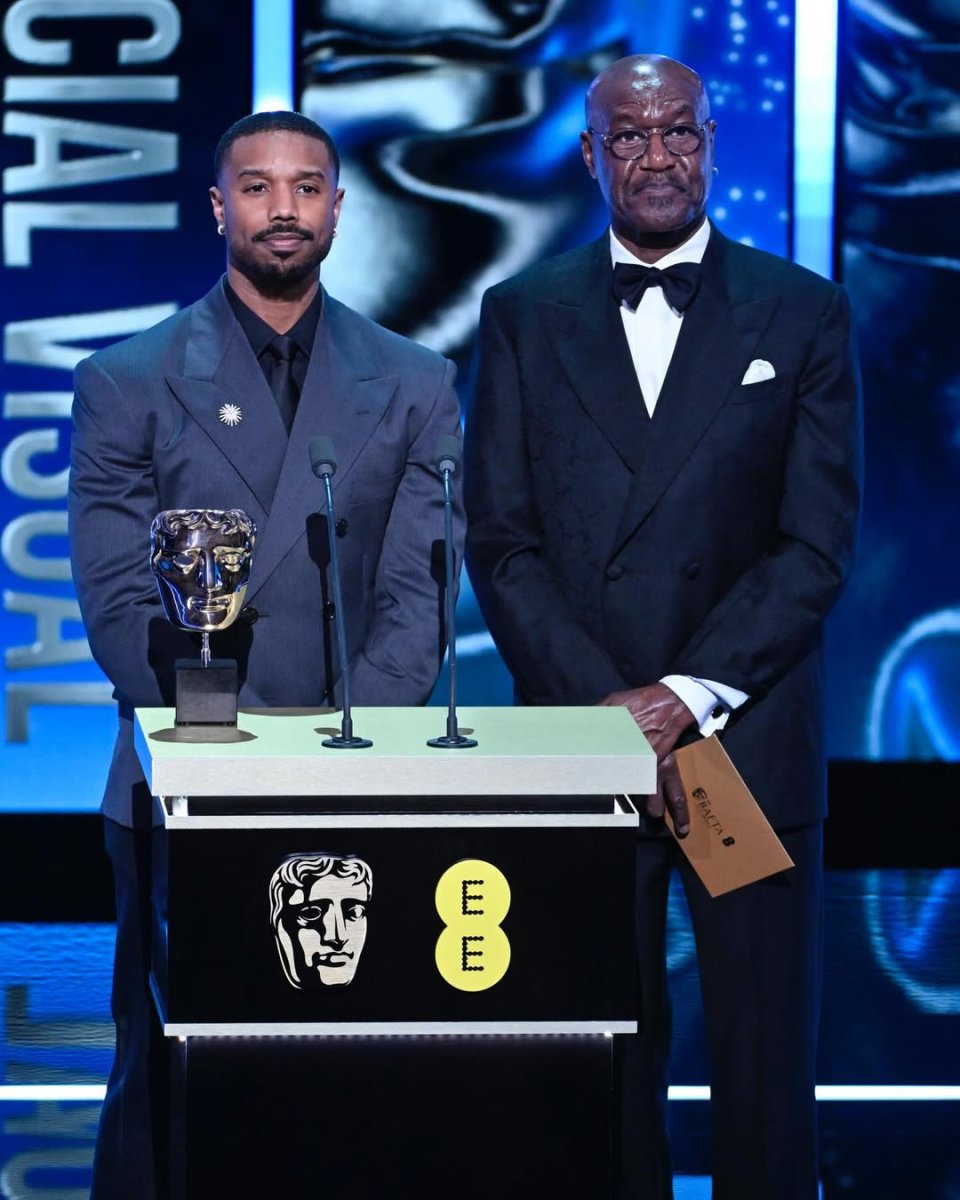
Sunday’s BAFTA Film Awards, meant to celebrate cinema, instead became the center of a heated debate after a campaigner with Tourette syndrome involuntarily shouted a racial slur on stage.
The incident has already led to a high-profile resignation. Jonte Richardson, an award-winning creative, stepped down from BAFTA’s Emerging Talent judging panel, criticizing the organization for its handling of the situation and its treatment of Black creatives.
In a LinkedIn post, Richardson said he could no longer contribute his time or expertise to an organization he felt “repeatedly failed to safeguard the dignity of its Black guests and members of the creative community.” He also referenced BAFTA’s history of systemic racism, adding that remaining involved would feel like “condoning its behaviour.”
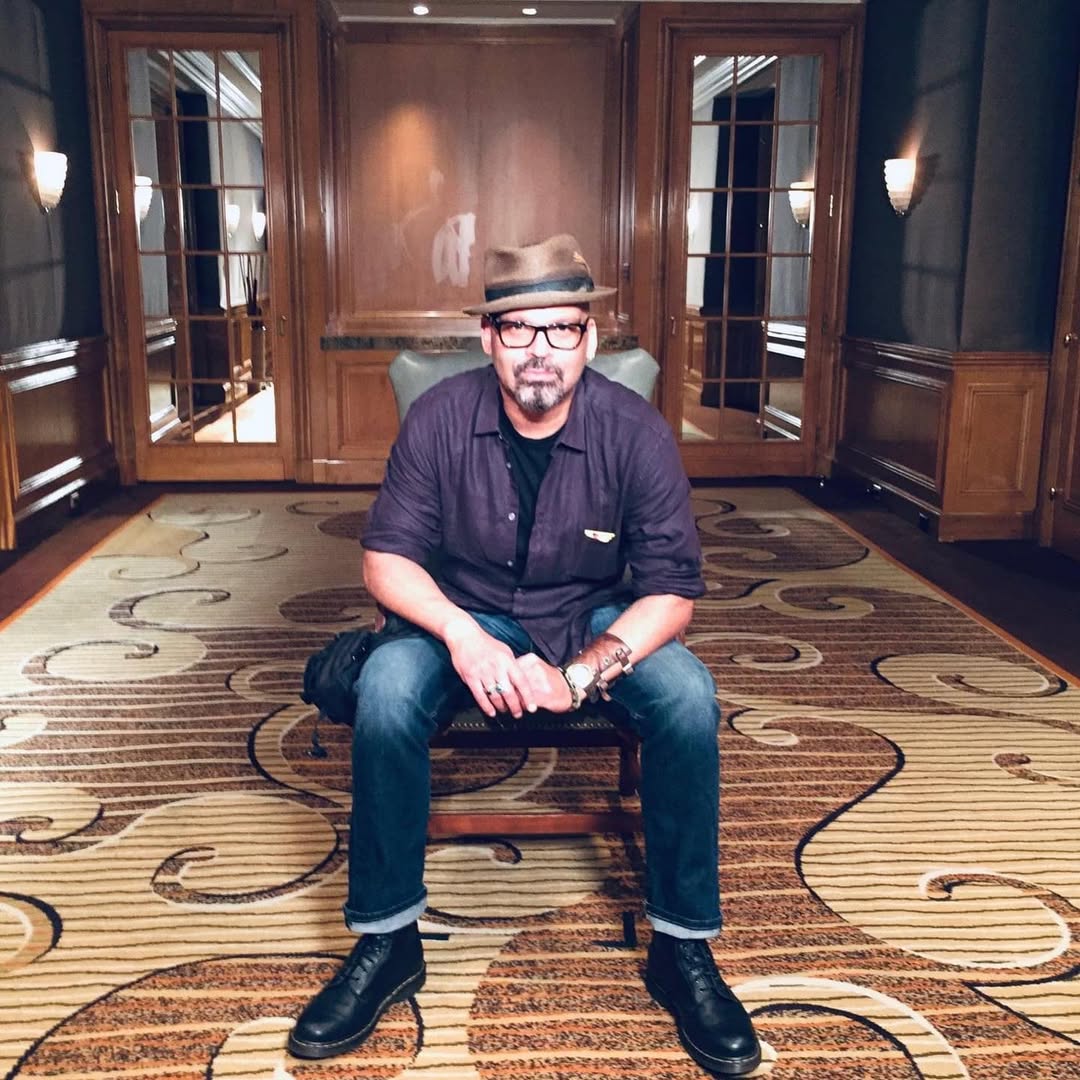
Award winning creative Jonte Richardson
The outburst occurred while presenters Delroy Lindo and Michael B. Jordan were on stage. John Davidson, a campaigner with Tourette syndrome, was heard using a racial slur involuntarily.
Davidson was attending to celebrate I Swear, a film based on his life. The film won Best Casting, while Robert Aramayo, who stars in it, took home Best Actor and the EE Rising Star award.
BAFTA confirmed that Davidson’s tics were involuntary and that the audience had been warned ahead of the ceremony. The organization issued a statement apologizing for the distress caused and thanking Lindo and Jordan for handling the moment with professionalism.
The BBC also apologized, explaining that the offensive language stemmed from Davidson’s condition. “We apologise that this was not edited out prior to broadcast,” the broadcaster said, pledging to remove the content from the iPlayer version.
Davidson later shared his own response, saying he was “deeply mortified if anyone considers my involuntary tics to be intentional or offensive.” He added that he chose to leave the auditorium early, aware of the discomfort his tics caused, but said he felt welcomed and supported overall.
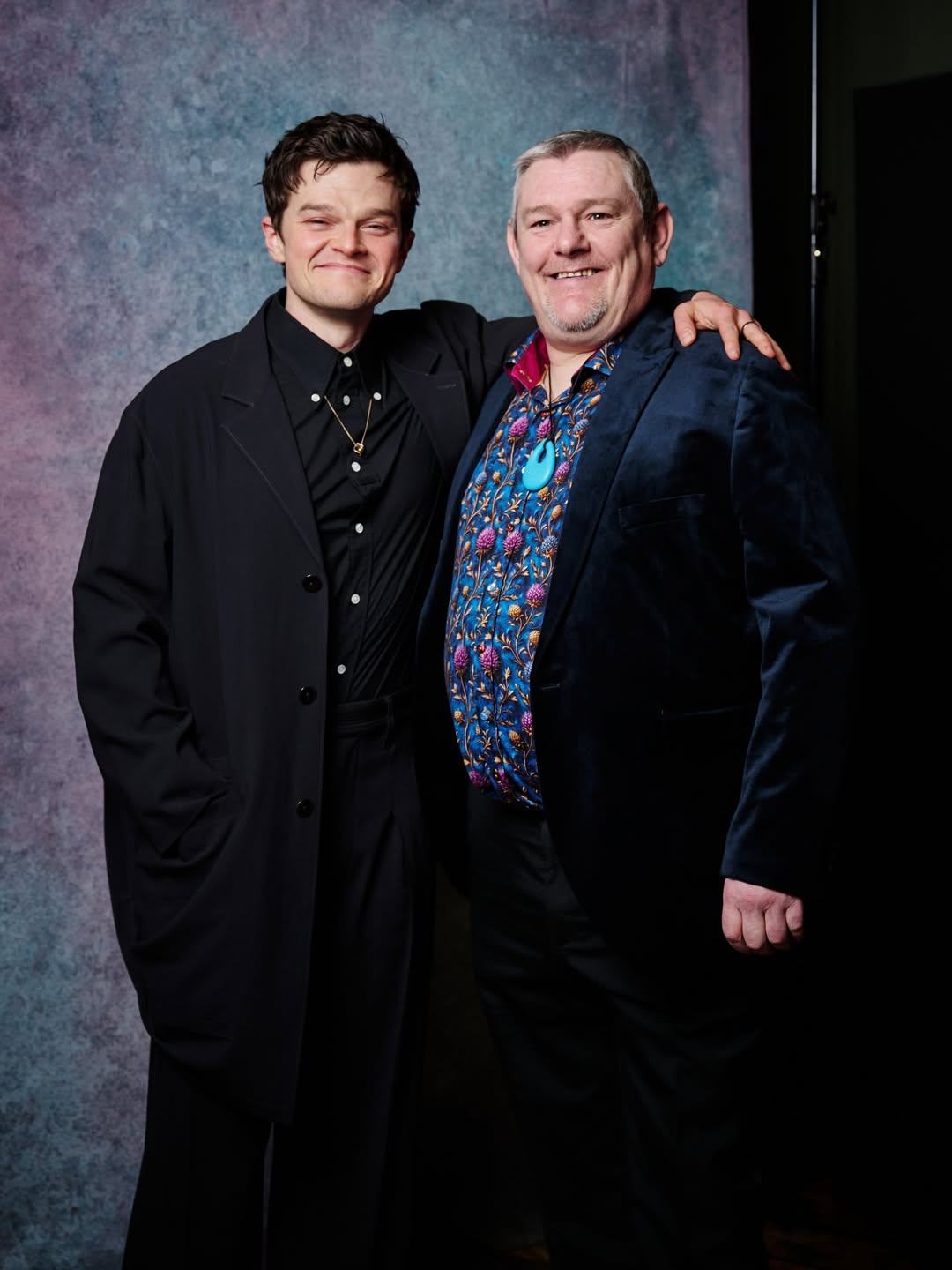
John Davidson with award winning actor Robert Aramayo
Health experts note that Tourette syndrome can cause sudden, involuntary movements or vocalizations, and in rare cases, these can include offensive words. These utterances are not reflective of a person’s beliefs or intentions, and while there is no cure, treatments can help manage symptoms.
Advocacy groups stressed the importance of education and understanding. Charity Tourettes Action noted that online backlash is “deeply saddening” and reminded the public that individuals with Tourette’s may say words they “do not mean, do not endorse, and feel great distress about afterwards.” Tourette Scotland echoed this, emphasizing that the community is “kind and empathetic” and that tics carry “no meaning.”
Davidson also received support from the creative community. Actor Thierry Mabonga, who appears in I Swear, defended him on TikTok: “John cannot control what he says. That’s the whole point of why we’re making this film. He should not have to apologise for having Tourette’s.”
The controversy has reignited conversations about inclusivity and sensitivity in live broadcasts, as well as the responsibilities of organizations like BAFTA to protect both audiences and talent.