- Home
- Professionals
- 10 Rwandan film directors defining contemporary cinema
10 Rwandan film directors defining contemporary cinema
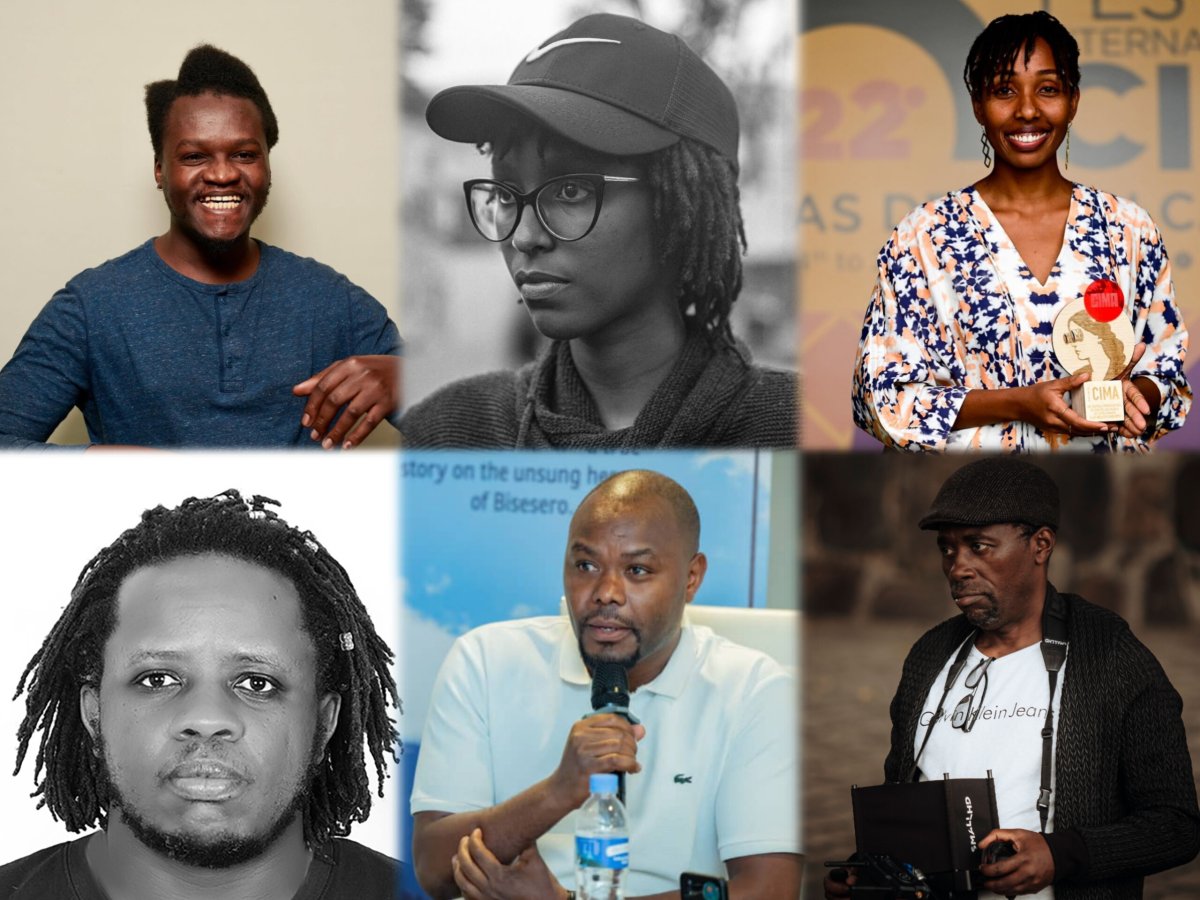
Rwandan cinema is not defined by a single style or generation, but by a range of filmmakers approaching storytelling from radically different angles—some grounded in realism, others drawn to experimentation, memory, or social inquiry.
What connects them is not uniformity, but intention: each director builds a distinct cinematic language shaped by their perspective, their process, and the stories they choose to tell.
This list highlights ten directors whose work stands out not only for its quality, but for the clarity of vision behind it.
Joël KAREKEZI
Joël Karekezi directs with restraint, allowing silence, tension, and human vulnerability to carry his stories. His films are less concerned with spectacle than with the emotional and moral space between people—where reconciliation is uncertain and memory remains unresolved.
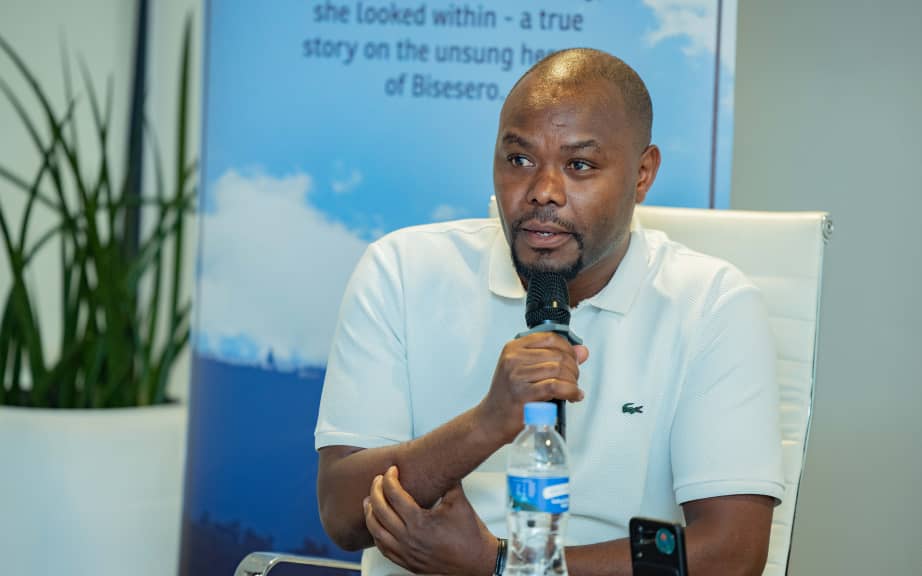
In The Pardon (2010) and Imbabazi: The Pardon (2013), he explores forgiveness not as a conclusion, but as an ongoing internal struggle. This approach deepens in The Mercy of the Jungle (2018), where war is stripped down to its most human core, focusing on survival, trust, and quiet psychological tension.
Karekezi’s strength lies in control. He avoids excess—visually and narratively—allowing moments to unfold without forcing emotion. His films demand attention and patience, but in return offer a depth that lingers well beyond the screen. With upcoming projects like Capitaine Mbaye, he continues to approach history with the same discipline and clarity that define his work.
Remy Ryumugabe
Remy Ryumugabe works at the intersection of cinema, visual art, and sensory exploration. His films are built from fragments—gestures, memories, and impressions—assembled into poetic, immersive experiences.

In Things in the Psyche of an Awake Dreamer (2024), he explores grief and creative uncertainty through a fluid, introspective structure, while A Wingless Bird That Flies (2023) blends docufiction and poetic narration to examine fragility and presence. The latter’s selection as the opening short at the 2026 Ghent Africa Film Festival highlights its resonance.
His recent work, Murmurs from the Wind (2025), continues this exploration, using atmosphere and fragmentation to reflect inner transformation. Its screenings at Luxor African Film Festival and Vues d’Afrique (2026) further signal his growing international presence.
Remy’s cinema is not driven by narrative clarity, but by sensation and reflection—demanding patience, but offering a distinct, contemplative experience.
Kivu Ruhorahoza
Kivu Ruhorahoza approaches cinema as a space of inquiry rather than certainty. His films reject linear storytelling, unfolding instead through fragments that blur time, perspective, and meaning.
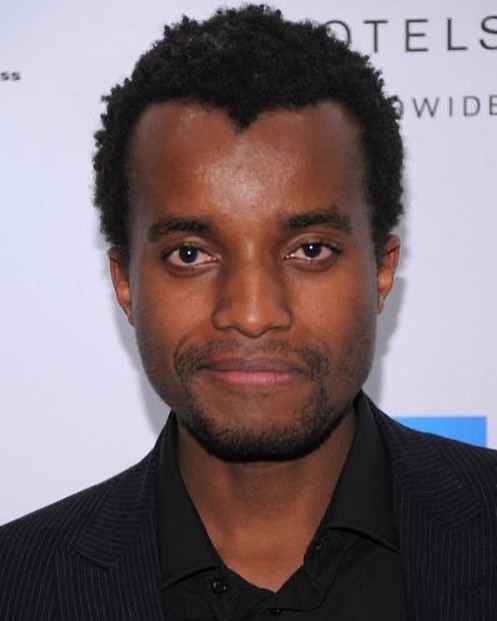
In Grey Matter (2011), he constructs layered narratives to explore psychological trauma, while Things of the Aimless Wanderer (2014) uses repetition and dislocation to reflect tensions between Africa and the West. His later works, including Europa (2019) and Father’s Day (2022), continue to challenge narrative structure, shifting between realities and perspectives without offering clear resolution.
Kivu’s cinema requires active engagement. Meaning is not given—it is built by the viewer. This intellectual and formal rigor places him among the most distinctive and challenging voices in African cinema.
Mutiganda wa Nkunda
Mutiganda wa Nkunda’s work is grounded in social reality, often confronting difficult subjects without softening their impact. His films focus on individuals navigating environments shaped by pressure, stigma, and survival.

In Rayila (2014), he forces the audience into discomfort, addressing issues often left unspoken. This directness carries into Nameless (Les Anonymes) (2021), where identity and marginalization are explored with emotional intensity and narrative control.
At the same time, his work is not stylistically fixed. Projects like La Femme Nue (2015) show a willingness to experiment with form, while films such as Phiona, A Girl from Madrid (2025) and Mucoma: The Battle of a Couple (2025) maintain his commitment to stories rooted in lived experience.
His characters are rarely idealized—they are shaped by circumstance, flawed, and deeply human. That honesty gives his work its impact.
Samuel Ishimwe Karemangingo
Samuel Ishimwe Karemangingo’s cinema unfolds with quiet precision, shaped by an attention to memory, absence, and the emotional weight of everyday life. His approach blends fiction and documentary sensibilities, often relying on stillness rather than dialogue to create meaning.
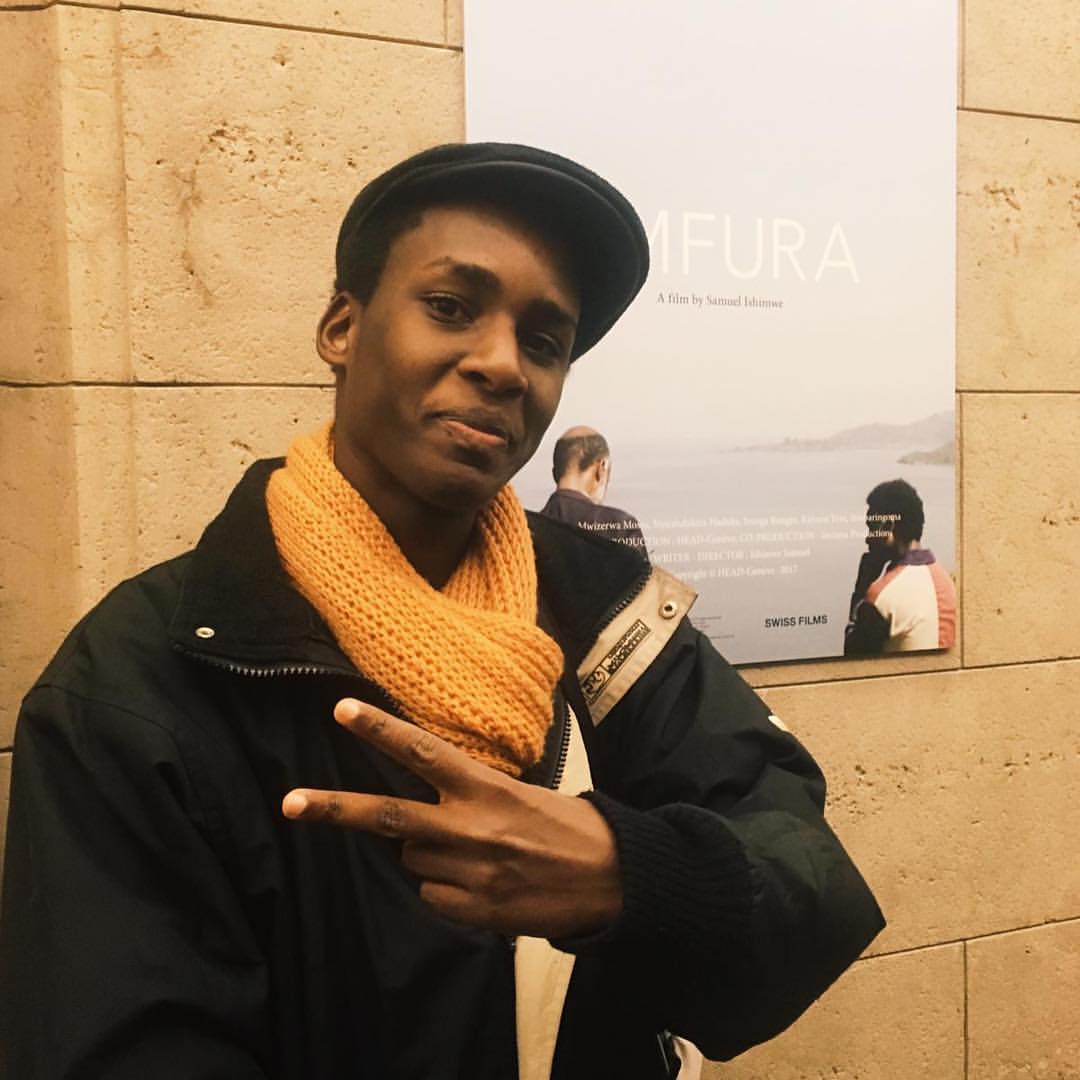
Early works such as Paying Debts (2011) and Crossing Lines (2014) establish his interest in intimate, character-driven storytelling—restrained in tone and attentive to gesture and environment. However, it is Imfura (2017) that most clearly defines his voice. Following a young man returning to his mother’s village, the film transforms landscapes and silences into carriers of grief and memory. Its Silver Bear Jury Prize at the Berlinale marked a significant moment for both Karemangingo Samuel and Rwandan cinema on the international stage.
His pacing can feel demanding, but it is precisely this patience that allows emotion to emerge naturally, without force or excess. With his upcoming feature Ikimanuka (The Season of the Weary), he continues to build on this restrained, deeply human approach to storytelling.
Roger Niyoyita
Roger Niyoyita represents a director focused on clarity, structure, and audience connection. His work spans both film and television, balancing storytelling with accessibility.
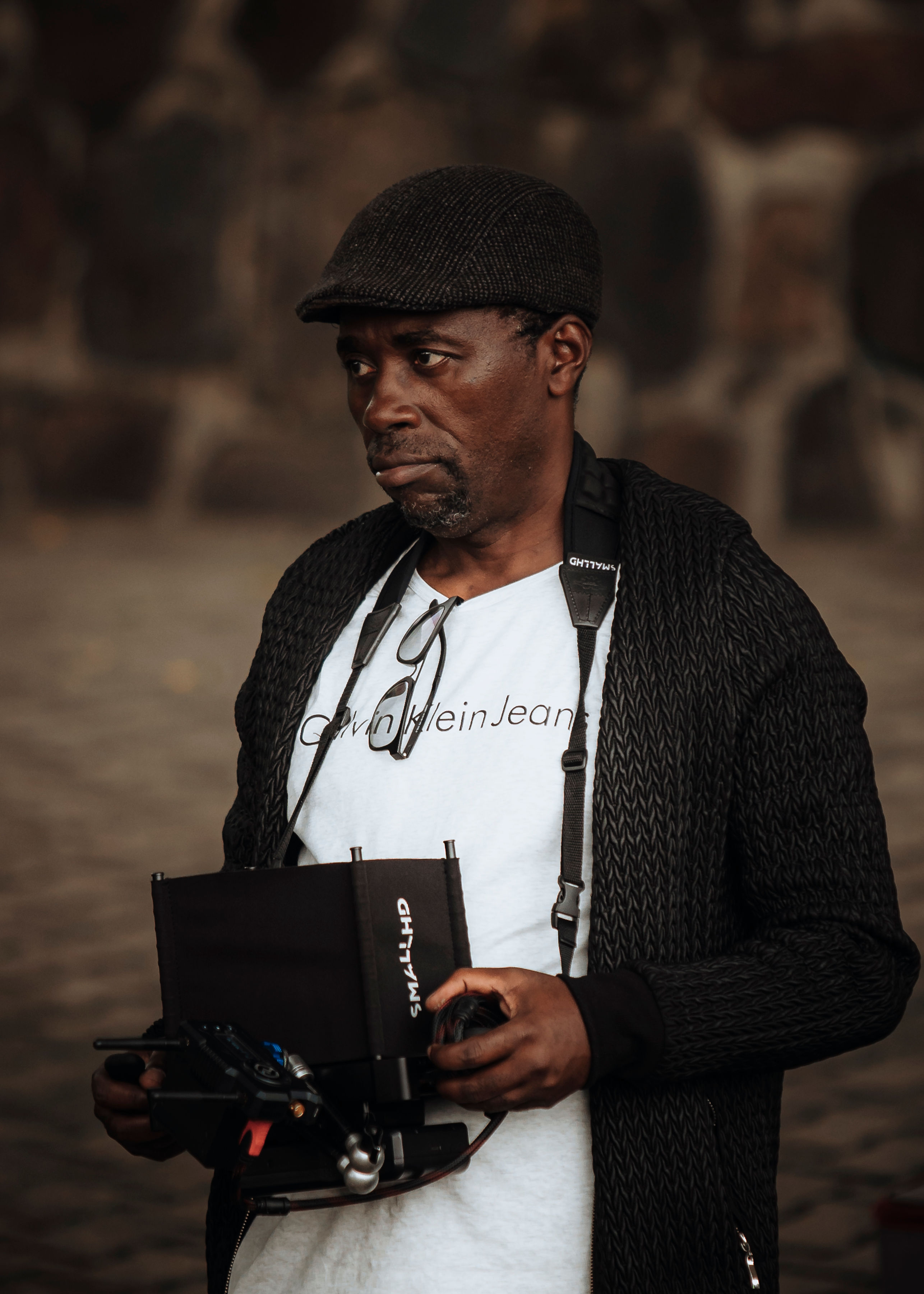
Projects like Ejosikera, The Bishop Family, and Shuwadilu demonstrate his versatility, while his feature Ibyahishuwe—which won Best Feature Film at Mashariki African Film Festival—highlights his narrative strength.
Unlike more experimental directors on this list, Niyoyita prioritizes coherence and engagement. His work is rooted in deliberate storytelling, making it widely accessible while maintaining cultural relevance. His role within the industry extends beyond directing, contributing to its steady growth and sustainability.
Philbert Aimé Mbabazi Sharangabo
Philbert Mbabazi Sharangabo builds cinema from interior experience—focusing less on events than on emotional states and psychological presence.
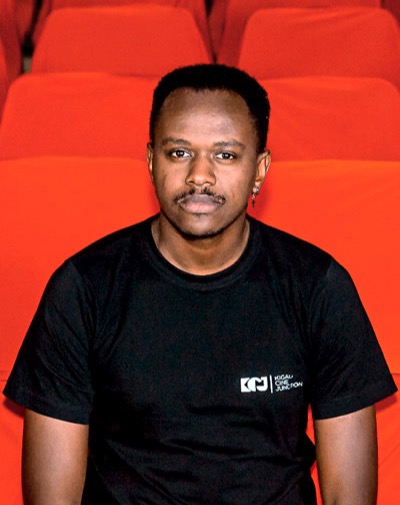
In The Liberators and Versus (2016), he experiments with minimalism and perspective, placing viewers inside intimate emotional spaces. This approach evolves in I Got My Things and Left (2018), where personal narrative and subtle social observation merge, earning international recognition including the Grand Prize at Oberhausen.
His feature debut, Minimals in a Titanic World (2025), extends this sensibility into long-form storytelling. Following a woman reconnecting with life after prison, the film prioritizes mood, rhythm, and character over plot progression.
Sharangabo’s work resists spectacle, focusing instead on presence—what is felt rather than explained.
Marie-Clémentine Dusabejambo
Marie-Clémentine Dusabejambo’s directing is defined by precision and ethical clarity. Her films engage directly with social realities, often focusing on marginalized experiences without reducing them to symbols.
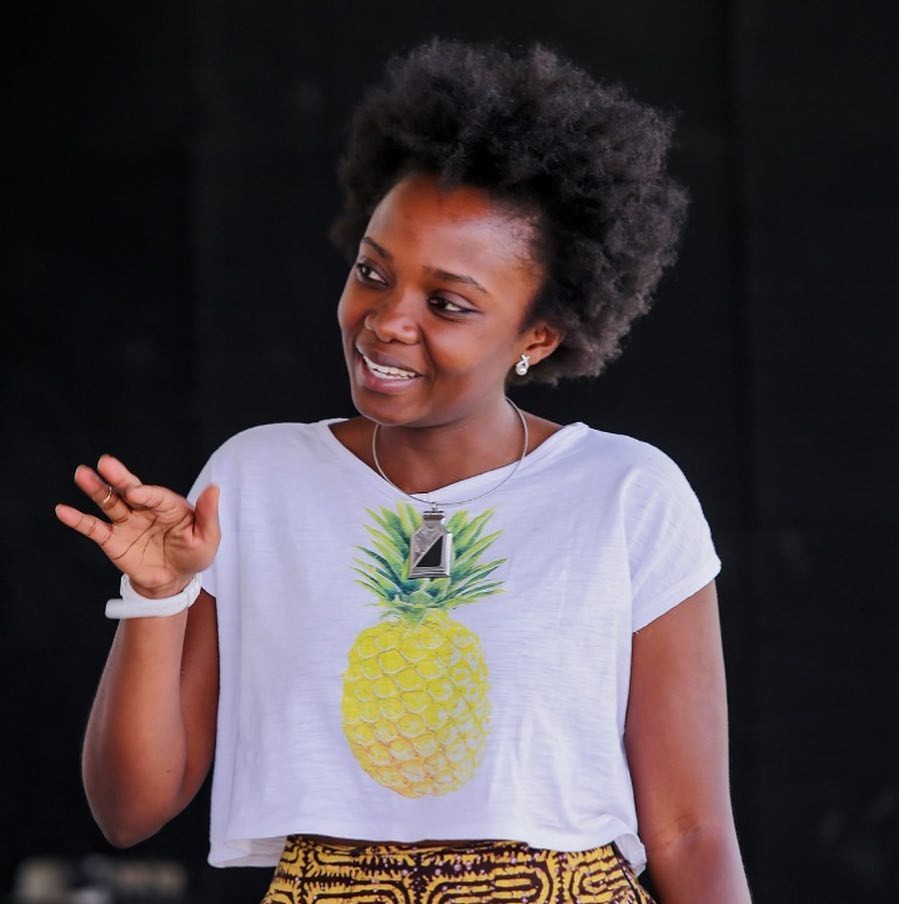
In Lyiza (2011), she explores coexistence and memory in post-genocide Rwanda with restraint and sensitivity. A Place for Myself (2016) confronts discrimination against people with albinism, while Icyasha (2018) examines imposed masculinity through the story of a young boy facing bullying.
Her work is deliberate and research-driven, shaped as much by social engagement as by cinematic form. While her approach may appear restrained, it is this control that gives her films their clarity and impact. With her feature project BENIMANA in development, she continues to build a body of work grounded in responsibility and reflection.
Myriam Uwiragiye Birara
Myriam Uwiragiye Birara brings a strong visual sensibility to her directing, shaped by her background in art and production design. Her films often rely on stillness, composition, and controlled staging to explore the internal lives of women.
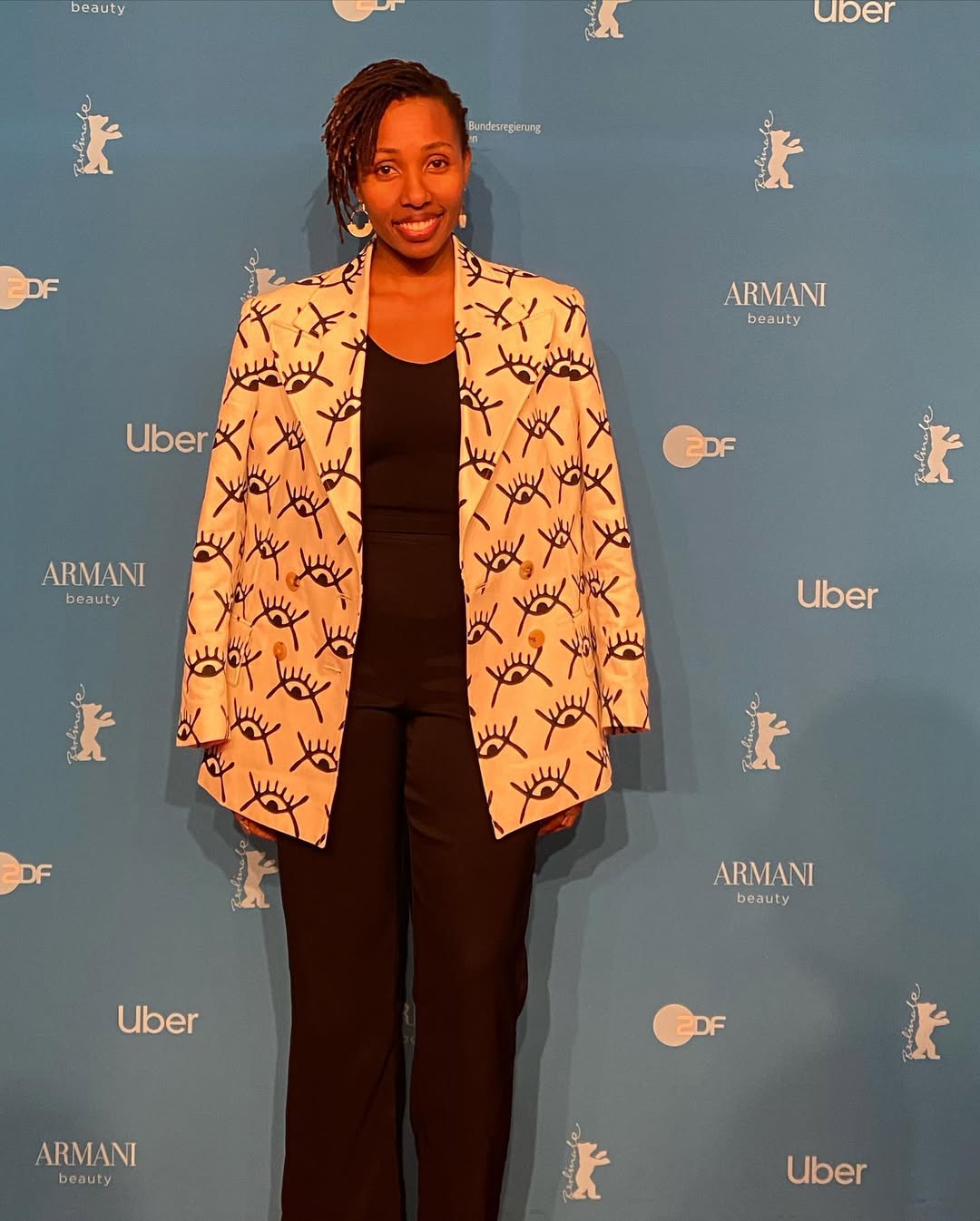
In Imuhira (2021), she captures the emotional weight of domestic violence through minimal dialogue and careful framing. Her feature The Bride (2023) expands this approach, using a static visual style to tell a story of forced marriage and resilience.
Myriam’s work is intentional and visually precise. While her minimalism can feel restrained, it allows her to focus attention on emotion, space, and silence—elements that define her cinematic language.
Inès Girihirwe
Inès Girihirwe focuses on intimate, everyday experiences, often building tension through what remains unspoken.
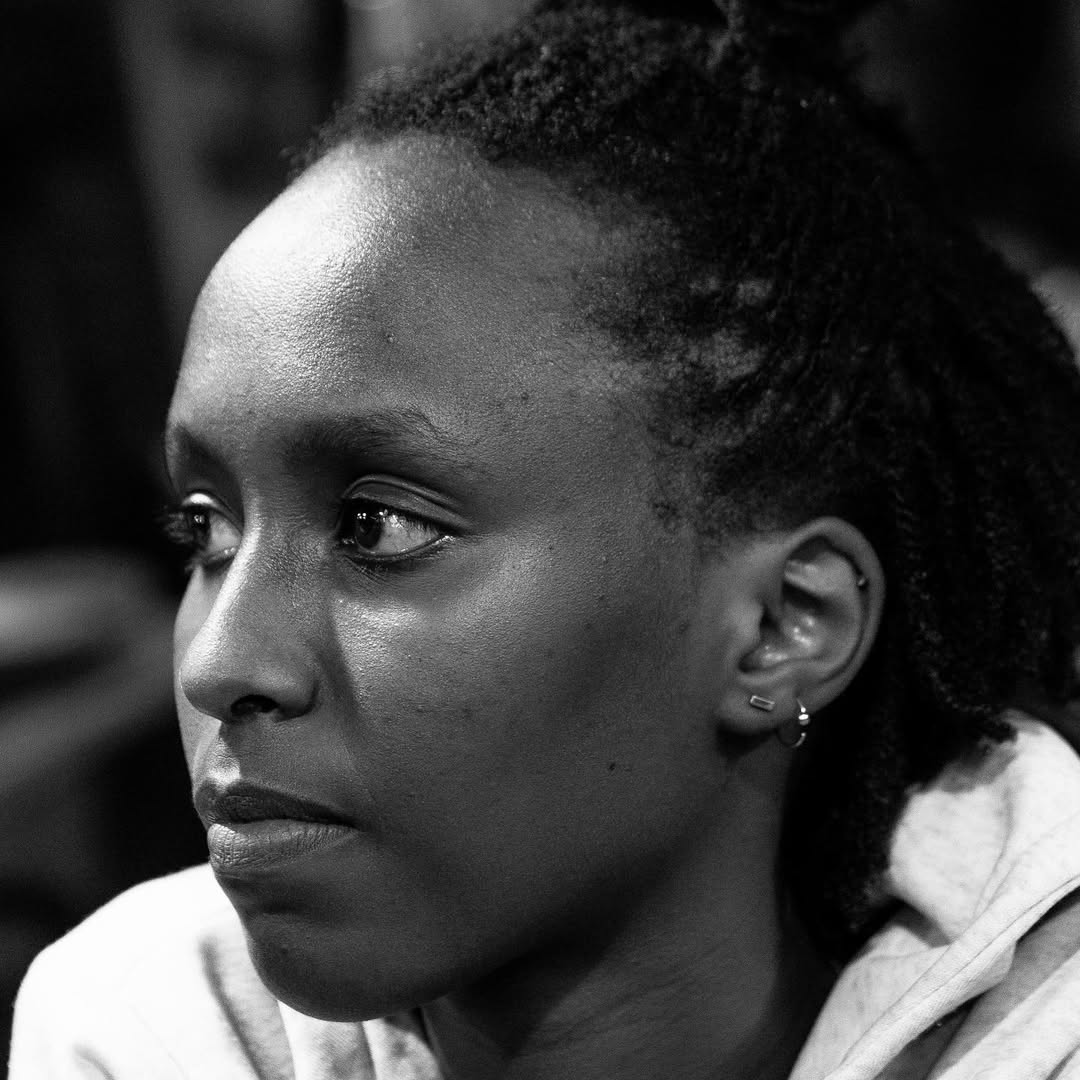
Her breakout film Breaking Ground (2020) examines emotional abuse and solidarity through a quiet, contained narrative, while Call It a Day (2020) and Umwali (2022) continue her interest in socially grounded storytelling. Her work is marked by minimalism, but also by emotional precision.
As a co-founder of Kazi Productions, she also contributes to the broader film ecosystem, supporting emerging voices and collaborative work. Her films may appear simple on the surface, but they are carefully constructed, revealing depth through small, controlled moments.
Beyond the list
Beyond this selection, other filmmakers continue to play a significant role in shaping Rwanda’s cinematic landscape. Directors such as Richard Umugwaneza (Nota Bene, A Seed of Memories), Cynthia Butare (Kickin’ It with the Kinks, Ishimwa: From Bloodshed to Grace), Ndimbira Claudine Shenge (Lend Me Your Voice, Founders Valley, Iwacu mu Muryango), Amelia Umuhire (Mugabo, Kana, King Who, Polyglot), Israel Dusabe Busine (The bridge of Christmas, Indoto TV series) and Iriniga Denny (Seburikoko, What a Day) continue to expand the range of stories, styles, and voices within the industry.
What defines these directors is not a shared style, but a shared commitment to intentional storytelling. Whether through realism, experimentation, or quiet observation, each brings a distinct way of seeing—and shaping—the world on screen.