
Pacifique MAZIMPAKA: Learning cinema from the inside out

In an industry often driven by visibility and quick recognition, Pacifique MAZIMPAKA represents a different kind of filmmaker. His journey into cinema has not been defined by spectacle or sudden breakthroughs, but by patience, close observation, and a deep respect for craft. Long before stepping into directing, he learned the industry from the inside—through work, discipline, and an insistence on understanding how stories are built collectively. That foundation continues to shape both his approach to filmmaking and his position within Rwanda’s evolving cinema landscape.
Born in 1997 in Kigali, Kacyiru, at King Faisal Hospital, Mazimpaka grew up far from the world of film sets. He describes his childhood as quiet and grounded, shaped more by routine than ambition. Sports—particularly football—played a central role in his early years; he began playing seriously at the age of eight. At the time, cinema was not yet a destination. Still, the discipline and focus cultivated during those years would later echo in the way he approached creative work.
His first meaningful exposure to filmmaking came in 2016, while living in Gikondo. During school holidays, Mazimpaka attended informal learning spaces where young people were taught practical skills day by day. Film entered his life gradually, through curiosity rather than intention.
By 2019, that curiosity had sharpened into clarity. He made the decision to pursue cinema seriously, fully aware that the path ahead offered uncertainty rather than guarantees.
Mazimpaka’s professional entry into the industry came in January 2021, when he joined the television series Indoto as a costume designer. Beginning behind the scenes proved formative. Working on a real production dismantled many of his early assumptions and revealed the complexity of filmmaking as a collaborative process.
Cinema, he discovered, is not something one masters before stepping onto a set; it is learned through constant engagement. Even while working, he remained conscious of how much there was still to learn.

The early period of his career was physically and mentally demanding. Long working hours became routine, often stretching from early mornings into late nights. Fatigue was constant, and the pressure unfamiliar. Yet those conditions became instructive. They forced him to confront a simple but decisive question: whether commitment meant comfort or conviction. He chose conviction, allowing the demands of the work to shape his endurance rather than diminish it.
There was no single dramatic turning point in his journey. Instead, Mazimpaka’s growth was guided by principles he adopted over time—resilience, respect, consistency, and persistence. Learning not to abandon work in difficult moments became more important than early recognition. Progress, for him, was something earned gradually.
His development as a director was largely shaped by observation and proximity. He spent time on other directors’ sets, watching closely how decisions were made, how teams were managed, and how challenges were solved in real time. This on-set learning was complemented by participation in film workshops, where technical knowledge met structured practice.
Together, these experiences helped him build a directing identity grounded in process rather than authority.
One of the most consequential decisions of his career was leaving a stable, salaried job. Choosing freelance work meant accepting financial instability in exchange for creative focus. It was a deliberate decision—one rooted in his desire to invest fully in cinema and contribute meaningfully to the growth of Rwandan film. The sacrifice was personal, but the purpose was long-term.
As a director, Mazimpaka is known for flexibility rather than rigidity. He prioritizes character and message, allowing performances to guide interpretation while remaining faithful to the screenwriter’s core vision. He resists being overly confined by the script, viewing directing instead as the careful translation of intention into emotion—without losing narrative structure.
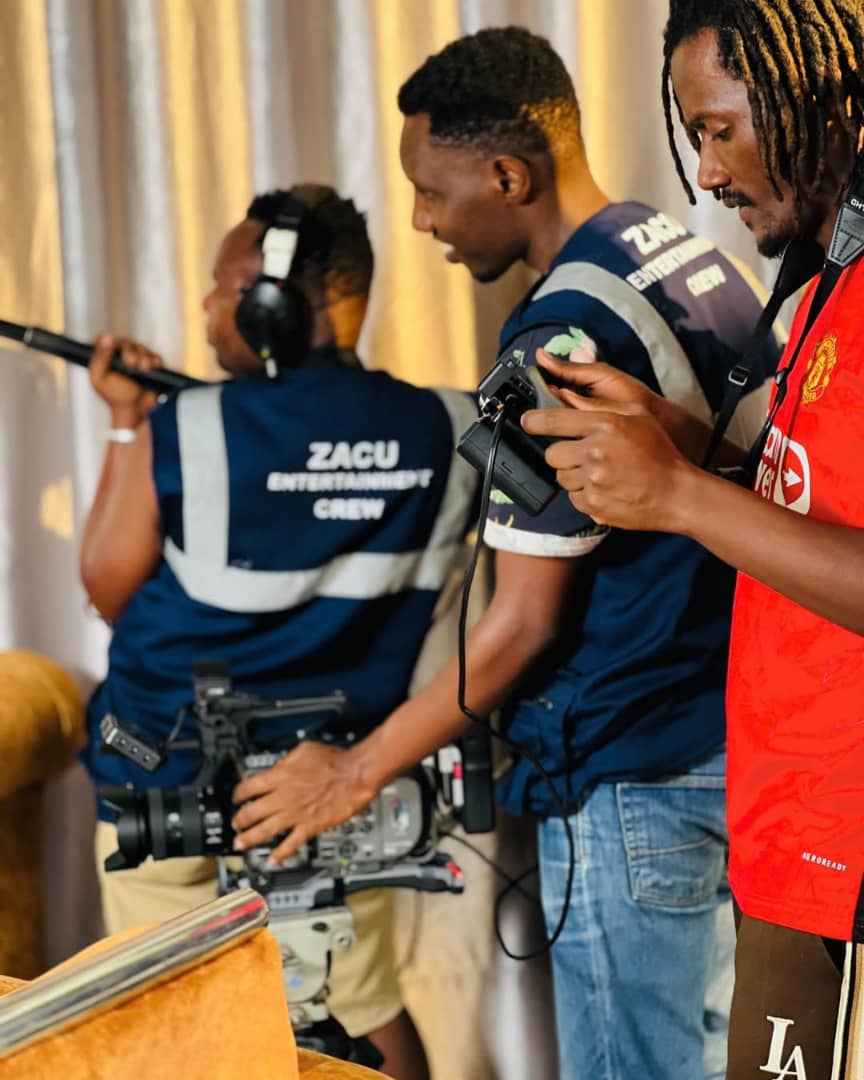
Among his projects, City Maid occupies a defining place in his career. The production allowed him to fully apply his approach, working with actors who understood both the story and the intention behind it. More than a personal milestone, City Maid stands as a regional reference point, widely recognized as one of East Africa’s landmark television series. For Mazimpaka, being part of the project carried particular weight—an experience he once considered beyond imagination, and one that affirmed his place within a larger cinematic moment.
His creative influences reflect both local grounding and global aspiration. Within Rwanda, he cites Wilson Misago and Director Roger as important references. Internationally, he draws inspiration from Tyler Perry, particularly for his ability to build sustainable creative structures while maintaining narrative reach.
Recognition has come gradually. Festival nominations marked early moments of visibility, signaling that his work was reaching wider audiences. Though awards have yet to follow, Mazimpaka views recognition as cumulative rather than immediate—a reflection of consistent effort rather than a final measure of success.
Cinema has also reshaped his personal life. Through film, he has achieved financial independence and the ability to support his family. The industry has expanded his world, opening doors across television and broader media spaces, while building a network of lasting professional relationships.
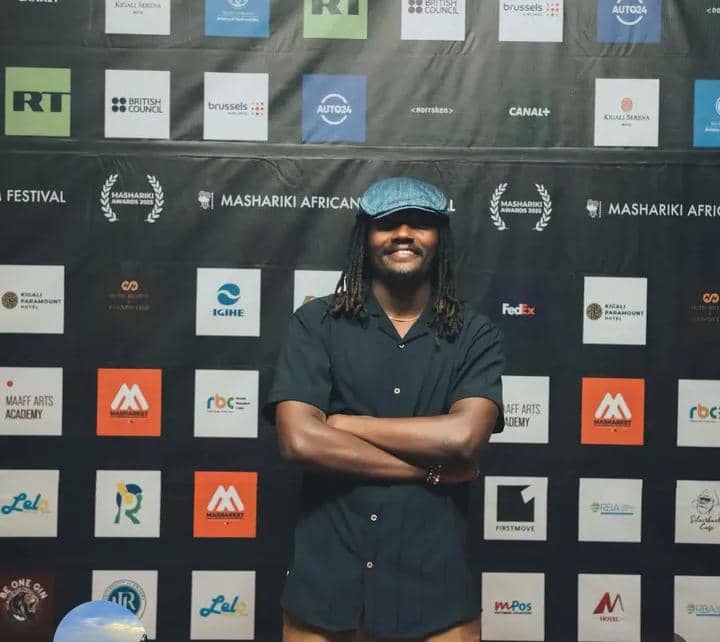
At the same time, he remains candid about the challenges facing filmmakers in Rwanda. Limited trust in local productions, financial constraints, lack of equipment, and insufficient access to strong film education continue to affect the industry. For Mazimpaka, these challenges are not discouraging; they are reminders of the work still ahead.
To emerging filmmakers, his message is clear and grounded: protect integrity, avoid imitation, and create original work. Progress, he believes, comes from patience, discipline, and self-trust rather than shortcuts.
Looking ahead, Pacifique MAZIMPAKA envisions films that travel beyond borders, projects that earn recognition both locally and internationally, and artists he has worked with succeeding on global stages. At the center of that vision is a goal actively taking shape: directing his own feature film. His journey so far reflects a filmmaker not chasing visibility, but building presence—carefully, deliberately, and from the inside out.